
Korean Rice (Stovetop Method)
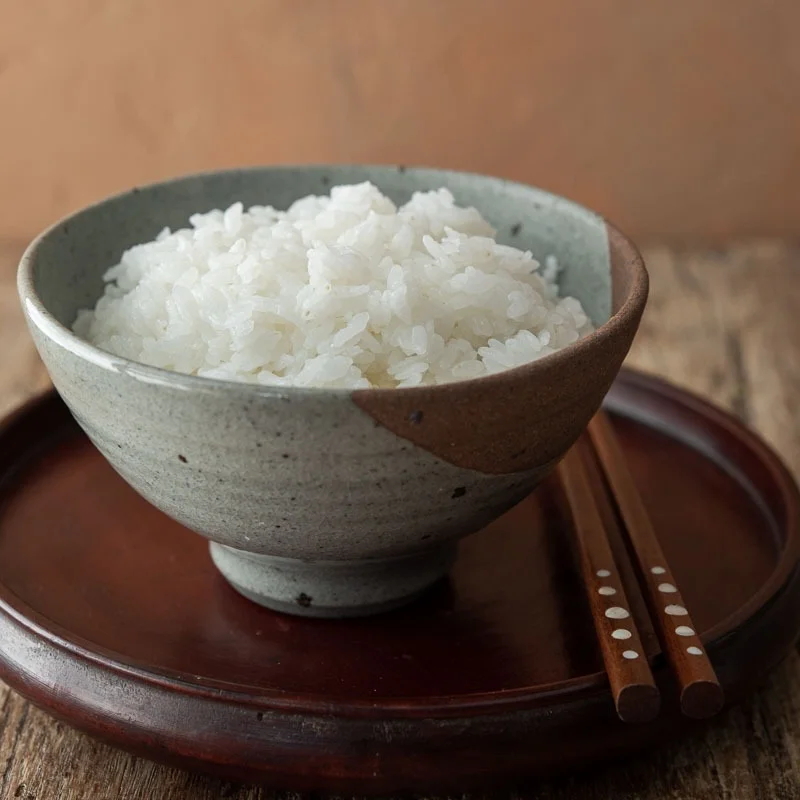
This stovetop method makes tender, glossy Korean short- or medium-grain rice with a soft, lightly clingy texture. It is a straightforward side for everyday Korean meals and needs only rice, water and a covered pot.
Ingredients
- 480 ml (2 cups)short-grain or medium-grain rice
- 600 ml (2 1/2 cups)water
Instructions
- 1
Rinse the rice
Cover the rice with water, swirl it once or twice, then drain straight away. Repeat the rinse 3–4 more times, until the water is mostly clear, then drain the rice well in a fine-mesh strainer.
- 2
Soak the rice
Put the drained rice in a heavy-bottomed pot and add the measured water. Leave it to soak for about 10 minutes.
- 3
Simmer gently
Cover the pot and bring the water to a boil over high heat. Once boiling, turn the heat down to low and simmer for 10–12 minutes, keeping the lid closed as much as possible.
- 4
Rest and fluff
Turn off the heat and leave the rice covered to steam for 5–10 minutes. Fluff it gently with a rice paddle or fork before serving.
What is Korean rice?
Rice is a staple at Korean meals, where it is commonly served alongside soup, vegetables and other dishes. Short-grain rice is especially suited to a soft, cohesive result that is easy to pick up with chopsticks.
This simple pot method relies on rinsing, a brief soak and a covered rest. Together, those steps help the grains cook evenly and finish tender.
Nutrition and macros by portion
The nutrition label shows one serving as written: 228 calories, 4g protein, 50g carbs, 0g fat.
| Portion | Adjustment | kcal | Protein | Carbs | Fat |
|---|---|---|---|---|---|
| Lighter | Serve a smaller scoop | 160 kcal | 3g | 35g | 0g |
| This serving | As written | 228 kcal | 4g | 50g | 0g |
| Hungry | Add an extra scoop | 342 kcal | 6g | 75g | 0g |
Most of this serving's carbohydrates come from the rice, while the rice contributes a small amount of protein and very little fat. For a more balanced plate, pair it with vegetables and a protein-rich dish.
Choosing the rice
Short grain: this is the closest choice for the soft, slightly sticky texture associated with Korean table rice.
Medium grain: it also works in this method, though the cooked texture may be a little less clingy. Use one of the two types listed in the recipe.
Why rinse and soak?
Rinsing: swirling the rice and changing the water several times washes away loose surface starch. Stop when the water looks mostly clear, then drain thoroughly.
Soaking: the 10-minute rest lets the rice absorb some water before cooking. Keep to the measured 600 ml of water in this recipe.
Keep the lid on
A closed lid traps steam in the pot as the rice simmers. Lifting it repeatedly can release heat and steam, so check the rice only when the simmering time is up.
How to tell it is ready
After 10–12 minutes on low heat, turn off the hob and leave the pot covered for 5–10 minutes. The resting stage finishes the rice gently; fluff it lightly before serving so the grains separate without being mashed.
Serving ideas
Serve the rice warm with Korean dishes, or use it as a neutral base for a meal with vegetables and a protein-rich main. Its mild flavour also makes it useful alongside strongly seasoned foods.
Recipe notes & tips
- Use a heavy-bottomed pot to help the rice cook evenly.
- Drain the rinsed rice well before adding the measured water.
- Keep the lid closed as much as possible during the simmer.
- Let the rice rest off the heat before fluffing.
- Use a rice paddle or fork and lift gently to avoid crushing the grains.
Variations
- Brown rice: use a method designed for brown rice, as its cooking time and water needs differ.
- Rice cooker: cook the rinsed rice and measured water using your appliance’s instructions.
- Seasoned rice: serve with a little sesame oil or toasted sesame seeds at the table.
- Leftover rice: cool and store it promptly, then use it in fried rice or another cooked dish.
Common mistakes to avoid
- Skipping the rinses: loose starch can make the result overly sticky; rinse until the water is mostly clear.
- Leaving excess rinse water: it changes the intended water ratio; drain the rice well before measuring in the recipe water.
- Lifting the lid often: heat and steam escape; keep the pot covered during simmering.
- Fluffing too soon: the rice needs its covered rest first; wait 5–10 minutes after turning off the heat.
How to store
Refrigerate leftover rice promptly in a covered container and use within 3–4 days. Reheat until steaming hot, adding a small splash of water if it seems dry.
Frequently asked questions
Can I use long-grain rice?
The recipe is written for short- or medium-grain rice, which gives a softer, more cohesive texture. Long-grain rice will cook differently.
Do I need to soak the rice?
This method calls for a 10-minute soak after rinsing. It helps the rice take up water before it goes on the hob.
Can I lift the lid to check the rice?
Try to keep it closed during the 10–12-minute simmer so steam stays in the pot. Check after the simmer, then leave the rice covered off the heat.
Why is my rice too wet?
It may not have been drained thoroughly after rinsing, or the lid may have been opened during cooking. Drain well and keep the pot covered as directed next time.
Can I make this in a rice cooker?
Yes, but follow the water guidance for your rice cooker, as its instructions may differ from this stovetop method.
Cook it from the original
This recipe comes from beyondkimchee.com. Their page has the author’s own photos, notes and tips — the best place to cook it from.
Open the recipe on beyondkimchee.com