
How To Brown Butter In the Microwave
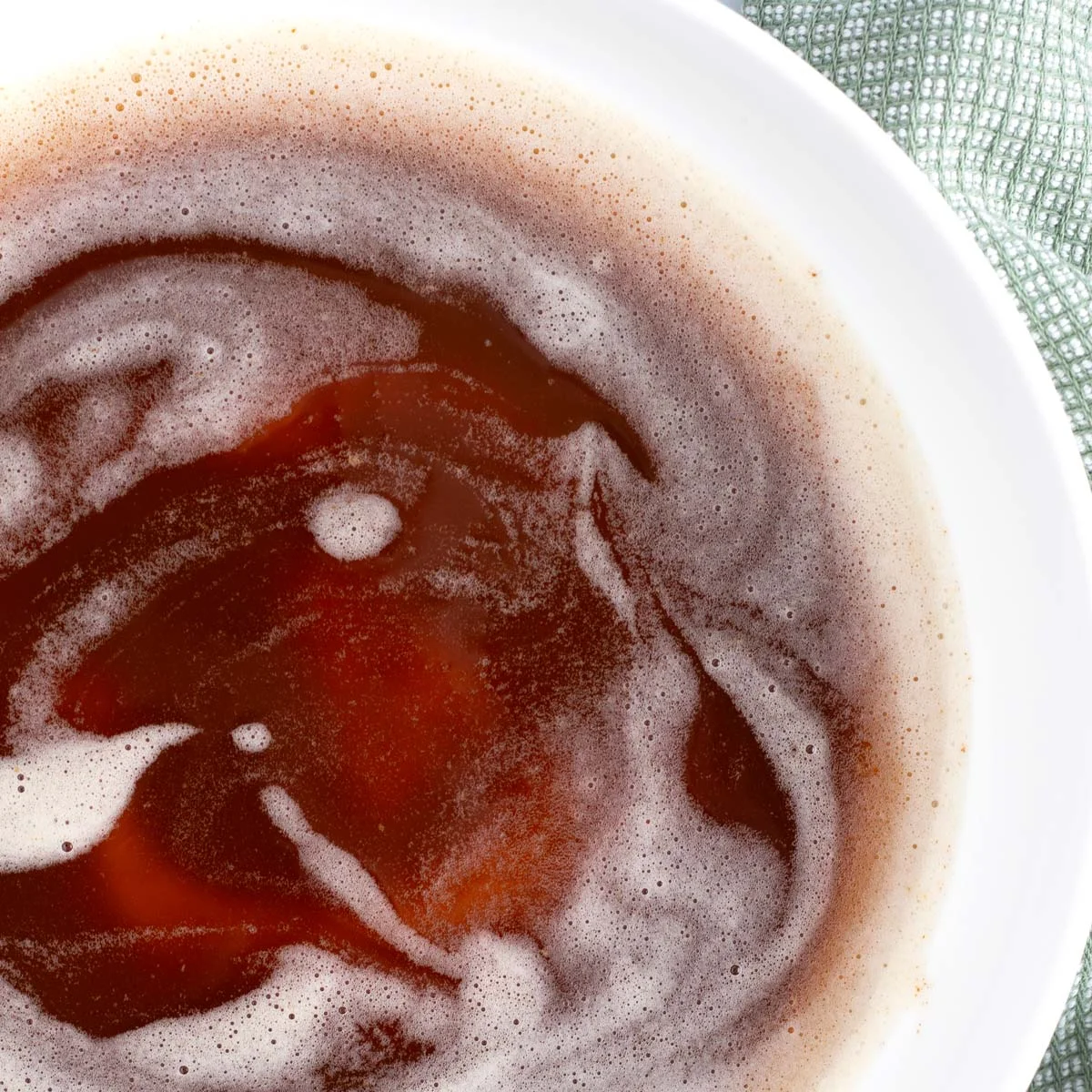
Microwave-browned butter develops a toasted, nutty flavour in just a few minutes, ready to use in baking, sauces or other recipes. A clear glass container makes it easier to watch the colour as it changes.
Ingredients
- 2 sticks (16 tablespoons; about 227 g)butter
Instructions
- 1
Heat the butter
Put the butter in a large microwave-safe container, preferably clear glass, and cover it with a plate. Microwave on high for 4–8 minutes, pausing every 30 seconds to swirl the container and check the colour; expect the butter to splatter and pop.
- 2
Check the colour
Microwave timing varies, so watch the butter closely. Take it out when it reaches your preferred golden-brown colour.
What is brown butter?
Brown butter, known in French cooking as beurre noisette, is butter heated until its milk solids toast and turn golden brown. It is used in American and European cooking to add a warm, nutty flavour to both sweet and savoury dishes.
This microwave method is a quick, hands-off alternative to browning butter in a pan. Using a clear container helps you follow the colour without interrupting the short cooking process.
Nutrition and macros by portion
The nutrition label shows one serving as written: 101 calories, 0g protein, 0g carbs, 11g fat.
| Portion | Adjustment | kcal | Protein | Carbs | Fat |
|---|---|---|---|---|---|
| Lighter | Use less brown butter | 71 kcal | 0g | 0g | 8g |
| This serving | As written | 101 kcal | 0g | 0g | 11g |
| Hungry | Serve a larger portion | 152 kcal | 0g | 0g | 17g |
Butter supplies nearly all the energy and fat in each serving, with virtually no carbohydrate or protein. Use the portion in a dish with vegetables or another filling ingredient to make a more balanced plate.
Why use a clear container?
Glass: a large, clear microwave-safe container lets you see the butter as it changes colour and gives it room to bubble.
Plate: covering the container helps contain splashes, while leaving enough visibility to check the butter between bursts.
Watch and swirl
Short intervals: pause every 30 seconds to swirl the container and inspect the colour. The butter can change quickly near the end, so avoid relying on the full cooking time alone.
Splattering: the butter may pop as it heats. Handle the container carefully, and lift the cover with care when checking.
Choose your level of toastiness
Pale gold: remove the butter as soon as it reaches a light golden shade for a gentler toasted flavour.
Deeper gold: leave it heating for a richer, nuttier taste, checking every 30 seconds so it does not go past your preferred colour.
Use it in other recipes
Baking: let the brown butter cool as needed before adding it to a recipe, particularly if the recipe calls for softened or melted butter.
Savoury dishes: drizzle it over vegetables, pasta or other dishes that suit a toasted-butter flavour. Stir or pour carefully to distribute the browned solids.
Timing depends on your microwave
The stated 4–8 minutes is a guide, not a fixed finish time. Microwave power and the container can affect how quickly the butter browns, so use the colour as your cue.
Recipe notes & tips
- Choose a container large enough to allow the butter to bubble without coming close to the rim.
- Use clear glass so you can judge the colour without guessing.
- Swirl the container every 30 seconds to help you check the butter evenly.
- Stay nearby throughout cooking because the colour can deepen quickly.
- Take the butter out when it reaches the shade you want rather than waiting for the maximum time.
Variations
- Lightly toasted: stop at a pale golden colour for a milder flavour.
- Deeply toasted: continue in short intervals for a stronger nutty note, checking closely.
- Salted butter: use salted butter as written in a recipe that suits its seasoning.
- Unsalted butter: choose unsalted butter when you want to control the salt in the finished dish.
Common mistakes to avoid
- Using a small container: the butter can bubble over; choose a large microwave-safe container.
- Skipping the checks: butter may brown too far; pause and inspect it every 30 seconds.
- Relying on a fixed time: microwaves vary; use the colour rather than the clock to judge doneness.
- Removing the cover carelessly: hot butter can splatter; lift the plate carefully and keep your hands clear.
How to store
Use the brown butter straight away, or transfer it to a covered container and refrigerate for up to 1 week. Reheat gently in the microwave in short bursts, checking between each one.
Frequently asked questions
How long does it take to brown butter in the microwave?
The recipe gives a range of 4–8 minutes on high. Check and swirl every 30 seconds, as the timing depends on your microwave.
How can I tell when the butter is browned?
Watch for the butter to reach a golden-brown colour. Remove it at the shade that gives you the flavour you want.
Why does the butter pop and splatter?
The butter can bubble and pop as it heats. Cover the container with a plate and handle it carefully when checking.
Can I use a plastic container?
Use a microwave-safe container; the recipe recommends clear glass because it makes the colour easier to see.
Can I brown salted butter?
Yes. The method works with butter; account for the salt if you are using it in another recipe.
Cook it from the original
This recipe comes from borrowedbites.com. Their page has the author’s own photos, notes and tips — the best place to cook it from.
Open the recipe on borrowedbites.com