
Welsh cakes with raisins
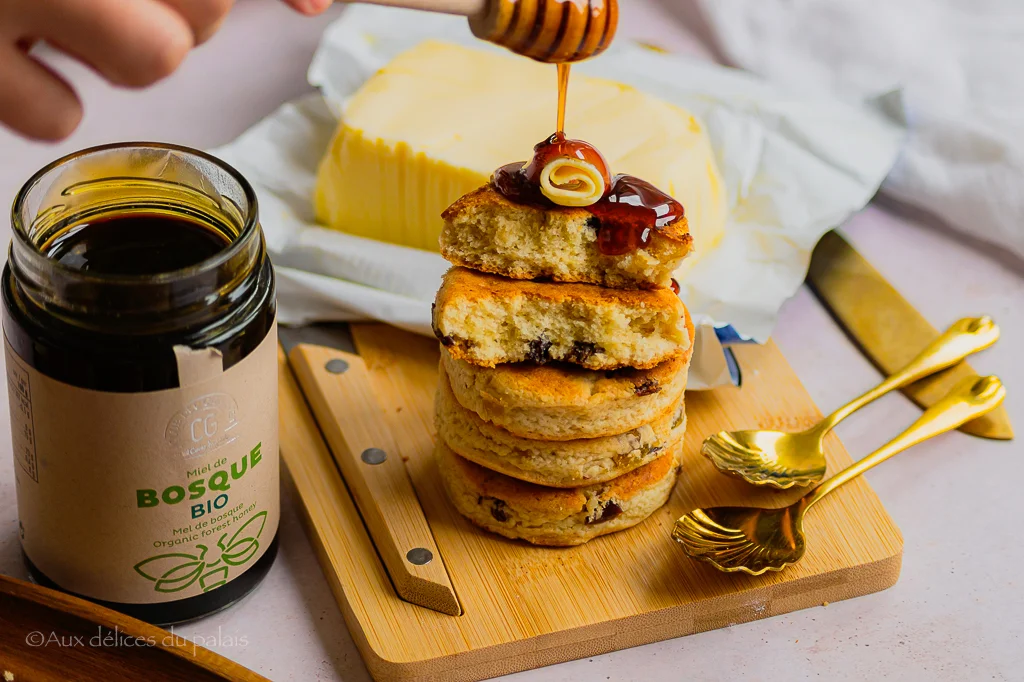
Welsh cakes are small, soft griddle cakes dotted with raisins and lightly sweetened. They cook quickly in a pan, making them a cosy treat to serve warm or at room temperature.
Ingredients
- 250 gplain flour
- 50 gcaster sugar
- 1 teaspoon (5 g)baking powder
- 1/2 teaspoonvanilla powder or cinnamon (optional)
- 120 gcold unsalted or lightly salted butter
- 1egg
- 75 graisins
- A pinchsalt
- 1 or 2 tablespoonsmilk, if needed
- As neededbutter or oil for cooking
Instructions
- 1
Combine dry ingredients
Put the flour, baking powder and salt in a large mixing bowl or the bowl of a stand mixer fitted with the paddle. Add the sugar and vanilla.
- 2
Add the butter
Cut the cold lightly salted butter into small cubes and add it to the flour mixture.
- 3
Rub to crumbs
Mix at a low speed, or rub the ingredients together with your fingertips, until they resemble breadcrumbs.
- 4
Make the dough
Stir in the raisins, then add the egg and mix until the dough is soft but not sticky. If it seems too dry, add 1 or 2 tablespoons of milk.
- 5
Chill the dough
Wrap the dough in cling film and refrigerate it for 10 minutes.
- 6
Roll it out
On a lightly floured work surface, roll the dough to about 1 cm thick.
- 7
Cut the rounds
Use a round cutter or a glass to cut rounds about 5–7 cm in diameter.
- 8
Heat the pan
Warm a frying pan or cast-iron griddle over a medium heat and grease it with a little butter or oil.
- 9
Cook the cakes
Cook the cakes for about 3–4 minutes on each side, until golden and cooked through.
- 10
Serve the cakes
Enjoy the Welsh cakes warm or at room temperature, plain or served with honey or butter.
What are Welsh cakes?
Welsh cakes are small, sweet cakes traditionally cooked on a hot griddle rather than baked in an oven. They are associated with Wales and are often served as a simple teatime treat.
This version adds raisins to a soft, buttery dough. A short chill helps the dough firm up before rolling and cutting.
Nutrition and macros by portion
The nutrition label shows one serving as written: 130 calories, 0g protein, 0g carbs, 0g fat.
| Portion | Adjustment | kcal | Protein | Carbs | Fat |
|---|---|---|---|---|---|
| Lighter | Use less butter to serve | 91 kcal | 0g | 0g | 0g |
| This serving | As written | 130 kcal | 0g | 0g | 0g |
| Hungry | Serve an extra cake | 195 kcal | 0g | 0g | 0g |
The flour and sugar provide most of the carbohydrates, while the butter contributes most of the fat; the egg adds some protein. For a more balanced plate, serve a cake alongside fruit and yoghurt, or enjoy one as part of a varied snack.
Choosing the ingredients
Flour and raising agent: plain flour gives the cakes their structure, while baking powder helps keep them tender.
Butter and seasoning: cold butter is rubbed into the flour for a fine, crumbly texture. The recipe allows unsalted or lightly salted butter, with a pinch of salt listed separately.
Flavour and fruit: vanilla or cinnamon is optional, and raisins provide little bursts of sweetness throughout the cakes.
Getting the dough texture right
Breadcrumb stage: rub the butter into the dry ingredients until the mixture looks like breadcrumbs; avoid leaving large butter pieces.
Soft, not sticky: add the egg and mix just until the dough comes together. Use the milk only if the mixture is too dry, adding it gradually.
Rolling and cutting
Chilling: refrigerate the wrapped dough for 10 minutes so it is easier to handle. Keep the work surface lightly floured to prevent sticking.
Even rounds: roll to about 1 cm thick and cut 5–7 cm rounds. Try to keep the thickness consistent so the cakes cook evenly.
Cooking on the griddle
Steady heat: use a medium heat and lightly grease the pan or cast-iron griddle. If the pan is too hot, the outsides may colour before the centres cook.
Doneness: allow about 3–4 minutes per side, looking for a golden surface and a cooked centre. Adjust the heat if the cakes brown too quickly.
Serving and timing
Serve the cakes warm or at room temperature, either plain or with honey or butter. Their mild sweetness also suits a cup of tea.
The recipe takes about 35 minutes in total, including a 10-minute chill. Prepare the pan while the dough rests to make the cooking stage straightforward.
Recipe notes & tips
- Measure the dough thickness carefully so the cakes cook at a similar rate.
- Add milk a little at a time, stopping as soon as the dough comes together.
- Flour the cutter lightly if the rounds start sticking.
- Cook a test cake first to check that the pan is at the right heat.
- Grease the pan lightly between batches if the surface starts to look dry.
Variations
- Cinnamon: use cinnamon instead of vanilla for a warm, spiced note.
- Vanilla: choose vanilla powder for a gentle, sweet aroma.
- More raisins: increase the raisins slightly for fruitier cakes.
- Honey topping: drizzle honey over the cakes just before serving.
- Butter topping: serve warm cakes with a little butter.
Common mistakes to avoid
- Adding too much milk: the dough can become sticky; add it gradually and stop once the dough is soft.
- Skipping the chill: the dough may be harder to roll; refrigerate it for the full 10 minutes.
- Rolling too thin: the cakes may cook too quickly; aim for about 1 cm thickness.
- Using high heat: the outside can brown before the middle cooks; keep the pan at medium heat.
- Crowding the pan: the cakes can be awkward to turn; cook them in batches with room to move.
How to store
Once cool, store the Welsh cakes in an airtight container at room temperature and eat within a few days. Warm them briefly in a dry pan over a low heat if you would like to serve them warm again.
Frequently asked questions
Can I make the dough without a stand mixer?
Yes. Rub the butter into the flour mixture with your fingertips, then stir in the raisins and egg by hand.
How do I know when the dough needs milk?
Add milk only if the dough is too dry to come together after adding the egg. Use 1 or 2 tablespoons as needed.
Can I use a glass instead of a cutter?
Yes. A glass can cut the dough into rounds about 5–7 cm in diameter.
Why are my Welsh cakes browning too quickly?
The pan may be too hot. Lower the heat and cook the cakes more gently so the centres have time to cook through.
Can Welsh cakes be served cold?
Yes. They can be enjoyed warm or at room temperature.
Cook it from the original
This recipe comes from auxdelicesdupalais.net. Their page has the author’s own photos, notes and tips — the best place to cook it from.
Open the recipe on auxdelicesdupalais.net