
Coconut Shortbread
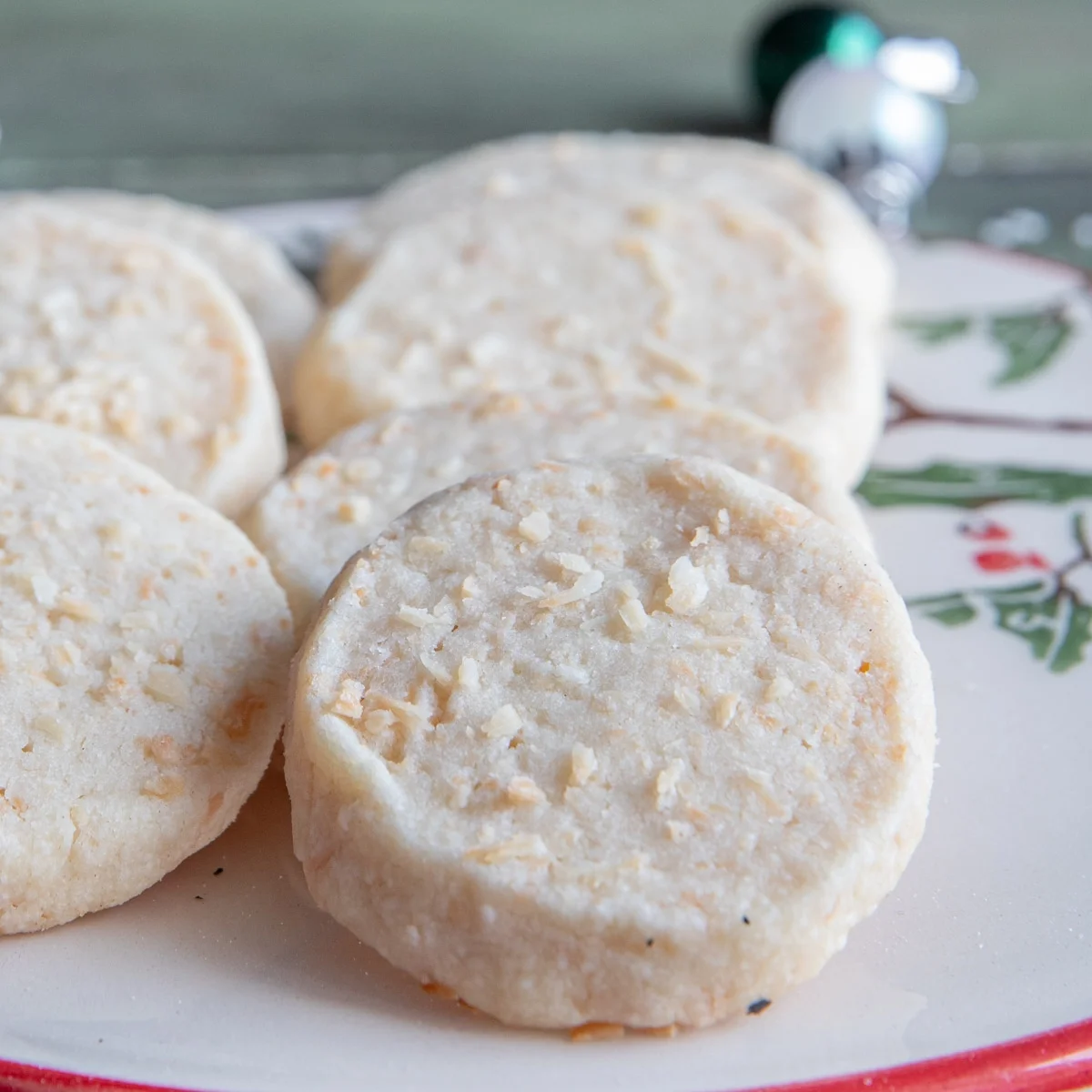
These buttery shortbread biscuits get a toasty, nutty flavour from coconut mixed into the dough and sprinkled on top. They are simple to prepare and make a lovely accompaniment to tea or coffee.
Ingredients
- 60 g (¾ cup)unsweetened shredded coconut, for toasting
- 170 g (¾ cup)unsalted butter, softened
- 2.5 ml (½ teaspoon)vanilla extract
- 60 g (½ cup)icing sugar
- 190 g (1½ cups)plain flour
- 1.25 ml (¼ teaspoon)salt (or a pinch if using salted butter)
- 10–15 g (2–3 tablespoons)unsweetened coconut, for sprinkling
Instructions
- 1
Toast the coconut
Heat the oven to 163°C (325°F). Spread the first portion of coconut in a single layer on a baking tray and bake for 5 minutes, until lightly golden. Transfer it straight away to a clean bowl to cool.
- 2
Mix the dough
In a large bowl or stand mixer, beat the butter, vanilla and icing sugar for 2 minutes, until creamy. Sift in the flour and salt, then mix on low until nearly combined. Add the cooled coconut and mix just until combined; do not overmix.
- 3
Chill the log
Shape the dough into a log 24–25 cm (9½–10 inches) long, wrap it in cling film and refrigerate for 1 hour.
- 4
Heat the oven
Heat the oven to 160°C (320°F).
- 5
Slice and bake
Cut the log into 20 slices and arrange them on a baking tray lined with baking paper. Sprinkle with the untoasted coconut. Bake for 10–15 minutes, until the edges are very lightly golden. Leave the biscuits on the tray for 10–15 minutes, then transfer them to a wire rack to cool completely.
What is coconut shortbread?
Shortbread is a crumbly, buttery biscuit associated with Scottish baking, though this coconut version is an American-style take on the classic. It uses a simple dough of butter, sugar and flour, with coconut for extra flavour and texture.
Toasting part of the coconut gives the dough a deeper, nuttier taste, while a little untoasted coconut on top adds contrast.
Nutrition and macros by portion
The nutrition label shows one serving as written: 133 calories, 1g protein, 11g carbs, 10g fat.
| Portion | Adjustment | kcal | Protein | Carbs | Fat |
|---|---|---|---|---|---|
| Lighter | Smaller biscuits | 93 kcal | 1g | 8g | 7g |
| This serving | As written | 133 kcal | 1g | 11g | 10g |
| Hungry | A larger biscuit portion | 200 kcal | 2g | 17g | 15g |
Butter supplies most of the fat, while the flour and icing sugar provide most of the carbohydrates; coconut contributes both fat and a little protein. Pair a biscuit or two with fruit and an unsweetened drink for a simple snack.
Why toast the coconut?
Toasted coconut: spread it in a single layer and watch it closely during its short bake. It should be lightly golden, not deeply browned.
Cooling: move it to a clean bowl straight away so residual heat from the tray does not keep toasting it.
Mix the dough gently
Softened butter: it should yield when pressed but should not be melted. This helps it cream smoothly with the icing sugar and vanilla.
Flour and salt: mix them in on low speed and stop as soon as the dough is nearly combined. Folding in the cooled coconut with a light touch helps keep the shortbread tender.
Shape and chill
Even log: shape the dough to 24–25 cm long so the slices are similar in size and bake at much the same rate.
Chilling: refrigerate the wrapped log for 1 hour before slicing. This firms the dough and makes it easier to cut into neat rounds.
Look for lightly golden edges
Baking cue: the biscuits should remain pale, with only a very light golden colour around the edges after 10–15 minutes. Check towards the earlier end of the baking time.
Cooling: leave them on the tray for 10–15 minutes before moving them. Shortbread is delicate while warm and firms as it cools.
Serving ideas
These biscuits pair well with tea or coffee and can also be served alongside fresh fruit. Their buttery texture and toasted coconut flavour make them satisfying as a small treat.
Recipe notes & tips
- Use a clean bowl for the toasted coconut so it cools quickly.
- Keep an eye on the coconut as it toasts; it can darken quickly.
- Measure the log before chilling to help make similarly sized slices.
- Use a sharp knife to cut clean rounds from the chilled dough.
- Let the biscuits firm on the tray before transferring them to a rack.
Variations
- Extra toasted topping: toast the coconut for the dough and leave the topping untoasted as directed.
- Citrus note: add finely grated lemon zest to the butter and sugar when creaming.
- Chocolate pairing: serve the cooled biscuits with melted dark chocolate for dipping.
- Smaller rounds: slice the log into thinner pieces and check them early, as they may bake more quickly.
Common mistakes to avoid
- Overtoasting the coconut: remove it as soon as it is lightly golden and transfer it off the hot tray.
- Overmixing the dough: stop when the ingredients are just combined to avoid a tougher texture.
- Skipping the chill: refrigerate the wrapped log for the full hour so it is easier to slice.
- Cutting warm biscuits: let them rest on the tray for 10–15 minutes before moving them.
- Browning the biscuits too much: take them out when the edges are only very lightly golden.
How to store
Once completely cool, store the biscuits in an airtight container at room temperature for up to a week. If they soften, warm them briefly in a low oven and let them cool before serving.
Frequently asked questions
Can I use salted butter?
Yes. The recipe suggests using just a pinch of salt if you use salted butter instead of unsalted.
Can I skip toasting the coconut?
You can, but the coconut mixed into the dough will have a milder flavour. Toasting it until lightly golden gives the biscuits their nutty note.
How do I know when the biscuits are done?
After 10–15 minutes, look for edges that are only very lightly golden. The biscuits will firm up as they cool.
Why does the dough need to chill?
Chilling firms the log and makes it easier to slice into rounds. The recipe calls for 1 hour in the fridge.
Can I freeze the dough?
The recipe does not specify freezing, but the wrapped log can be frozen and then thawed in the fridge until firm enough to slice.
Cook it from the original
This recipe comes from anitalianinmykitchen.com. Their page has the author’s own photos, notes and tips — the best place to cook it from.
Open the recipe on anitalianinmykitchen.com