
I.C. Rump Roast
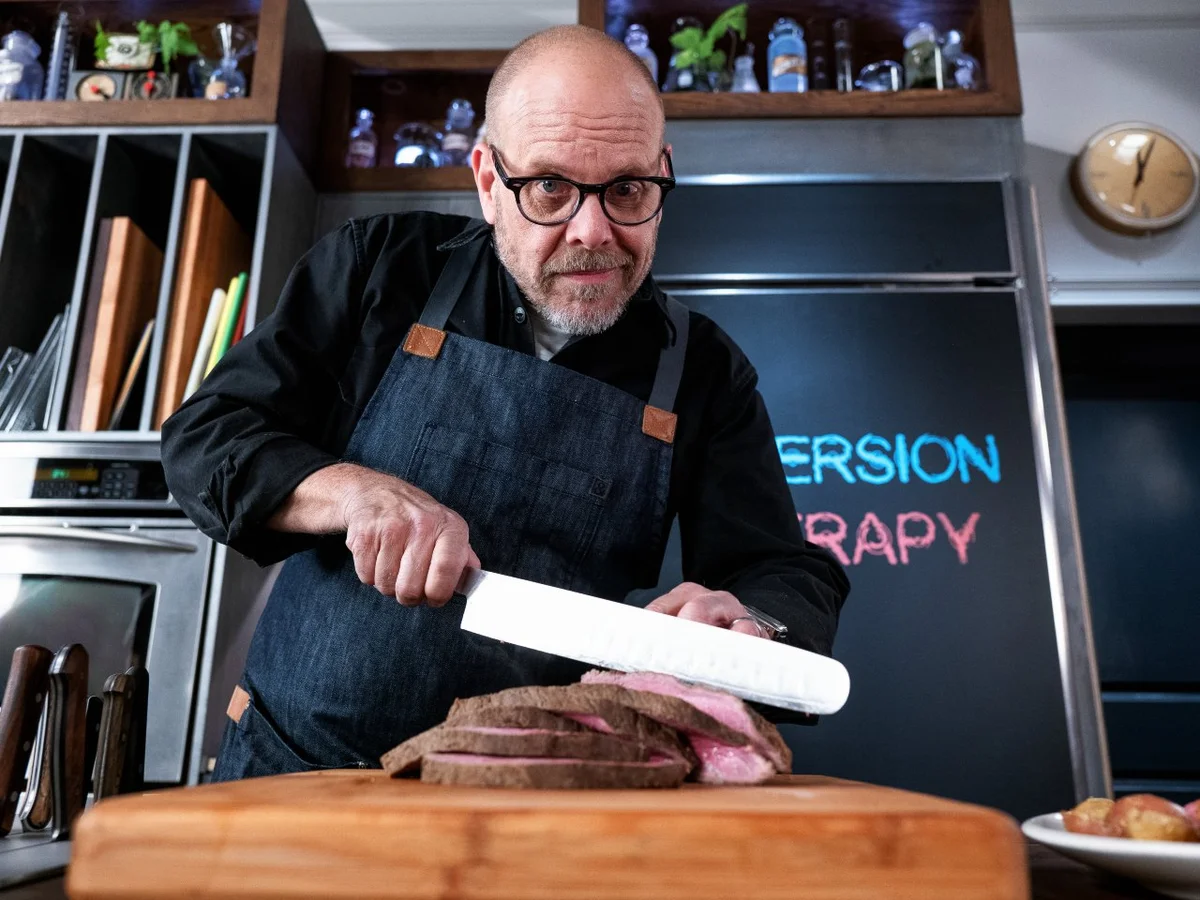
This immersion-circulated rump roast is cooked slowly in a sealed bag with Worcestershire, Dijon and spices, then sliced thinly and served with its cooking juices. The long, controlled cook helps make a lean, potentially tough cut tender without exposing it to dry heat for hours.
Ingredients
- 1.59 kg (3½ lb)rump roast
- 15 ml (1 tablespoon)peanut oil
- 30 ml (2 tablespoons)kosher salt
- 30 ml (1 tablespoon)Worcestershire sauce
- 5 ml (1 teaspoon)Dijon mustard
- 2.5 ml (½ teaspoon)garlic powder
- 2.5 ml (½ teaspoon)onion powder
- 2.5 ml (½ teaspoon)freshly ground black pepper
Instructions
- 1
Set the water bath
Fit an immersion circulator to a water bath and set it to 57°C (135°F).
- 2
Trim the roast
Remove any fat and sinew from the outside of the roast, keeping the trimmings.
- 3
Heat and season
Heat a 30 cm (12-inch) cast-iron frying pan over high heat for 5 minutes. Brush or rub the roast with the oil, then season all sides with the salt.
- 4
Sear the beef
Sear the roast thoroughly on every side, for about 2 minutes per side. Brown the reserved trimmings in the pan alongside it.
- 5
Mix the marinade
Put the Worcestershire sauce, Dijon mustard, garlic powder, onion powder and pepper into a 3.8-litre (1-gallon) zip-top freezer bag and combine.
- 6
Seal and cook
Put the seared roast and trimmings in the bag and work the sauce around to coat them. Remove as much air as possible and seal the bag tightly. Lower it into the water bath, ensuring the meat is completely submerged, then cover the bath with plastic wrap to limit evaporation.
- 7
Slice and serve
After 10 hours, take the bag out of the water bath. Discard the fatty pieces, move the roast to a carving board, and strain and reserve the jus. Slice the beef thinly across the grain and serve with the jus.
What is an I.C. rump roast?
“I.C.” refers to an immersion circulator, which holds the water around the bagged beef at a steady temperature. Rump roast is a cut from the hindquarter, and its connective tissue benefits from a long, gentle cook.
This version pairs the controlled water bath with a quick, all-over sear and a savoury mustard-and-Worcestershire marinade. The recipe first appeared in Season 1 of Good Eats: The Return.
Nutrition and macros by portion
The nutrition label shows one serving as written: 560 calories, 77g protein, 1g carbs, 25g fat.
| Portion | Adjustment | kcal | Protein | Carbs | Fat |
|---|---|---|---|---|---|
| Lighter | Lean slices, extra greens | 392 kcal | 54g | 1g | 18g |
| This serving | As written | 560 kcal | 77g | 1g | 25g |
| Hungry | A larger beef portion | 840 kcal | 116g | 2g | 38g |
The beef supplies most of the protein and contributes much of the fat, while the oil adds a smaller amount of fat. The seasoning and sauce contribute little carbohydrate; serve with vegetables and a moderate portion of potatoes or another starchy side to round out the plate.
Why sear before cooking?
The hot pan browns the outside before the long water-bath cook. Turning the roast to sear all sides gives it colour and a more savoury surface.
Keep the trimmings: the method browns them too, then cooks them in the bag with the roast. They are discarded before serving, while the strained jus is kept.
The bag and marinade
Worcestershire and Dijon bring a tangy, savoury note, while garlic powder, onion powder and pepper season the beef. Squishing the sauce around the meat helps coat it before cooking.
Removing as much air as possible helps the bag stay closed and the roast remain submerged. Covering the water bath with plastic wrap helps limit evaporation during the long cook.
Temperature and timing
The bath is set to 57°C (135°F), and the roast stays in it for 10 hours. Allow the full cooking time rather than trying to shorten it; the slow cook is central to the method.
Check that the meat is completely under the water when you put the bag in. Keep the circulator running at its set temperature throughout.
Slicing for tenderness
Once the roast is out of the bag, slice it thinly across the grain. Cutting across the visible muscle fibres shortens them, making each slice easier to chew.
Strain and reserve the bag juices, then serve them with the sliced beef. Discard the fatty trimmings as directed.
What to serve alongside it
Serve the beef and jus with potatoes, such as mash or roast potatoes, to make a hearty plate. Green vegetables or a crisp salad add freshness alongside the rich meat.
If you are serving the roast as part of a sandwich, keep the slices thin and spoon on a little jus just before eating.
Recipe notes & tips
- Trim the exterior fat and sinew, but keep the trimmings for the bag as directed.
- Give the cast-iron pan the full 5 minutes to heat before searing.
- Sear every side of the roast, including the ends, for about 2 minutes per side.
- Press out as much air as possible before sealing the freezer bag.
- Make sure the roast remains fully submerged throughout the 10-hour cook.
- Slice across the grain and serve the strained jus alongside.
Variations
- Add herbs: Include a small sprig of rosemary or thyme in the bag for an aromatic note.
- Use a different oil: Choose another neutral oil if peanut oil is unsuitable.
- Add extra pepper: Grind more black pepper over the beef just before serving.
- Serve with horseradish: Offer a little prepared horseradish alongside the sliced roast.
- Make sandwiches: Layer thin slices in rolls and spoon over a little jus.
Common mistakes to avoid
- Skipping the sear: Brown the roast on every side first to build colour and flavour.
- Discarding the trimmings early: Brown them and add them to the bag, then discard them after cooking.
- Leaving air in the bag: Press out as much as you can before sealing so the meat can stay submerged.
- Letting the meat rise above the water: Check that the roast is completely submerged when the bag goes into the bath.
- Cutting with the grain: Slice across the visible fibres for a more tender bite.
- Serving without the jus: Strain and reserve the bag liquid to serve with the beef.
How to store
Refrigerate leftover beef and jus promptly in a covered container and use within 3–4 days. Reheat gently with some jus to help keep the slices moist.
Frequently asked questions
Can I cook the roast without an immersion circulator?
This method relies on an immersion circulator to hold the water at 57°C (135°F) for 10 hours. Use a different recipe designed for your available equipment rather than adapting this method by guesswork.
Can I leave out the peanut oil?
The oil is used to coat the roast before seasoning and searing. If peanut oil does not suit you, the recipe suggests using another neutral cooking oil.
Why should I keep the trimmings?
They are browned in the pan and then added to the bag with the roast. The method calls for discarding them after cooking, while straining and keeping the jus.
How do I know when the roast is ready?
Follow the stated cooking schedule: 10 hours in the water bath set to 57°C (135°F). The method does not give a separate visual doneness test.
How should I slice rump roast?
Slice it thinly across the grain after removing it from the bag. Serve the slices with the strained jus.
Cook it from the original
This recipe comes from altonbrown.com. Their page has the author’s own photos, notes and tips — the best place to cook it from.
Open the recipe on altonbrown.com