
Small Batch Sponge Cake
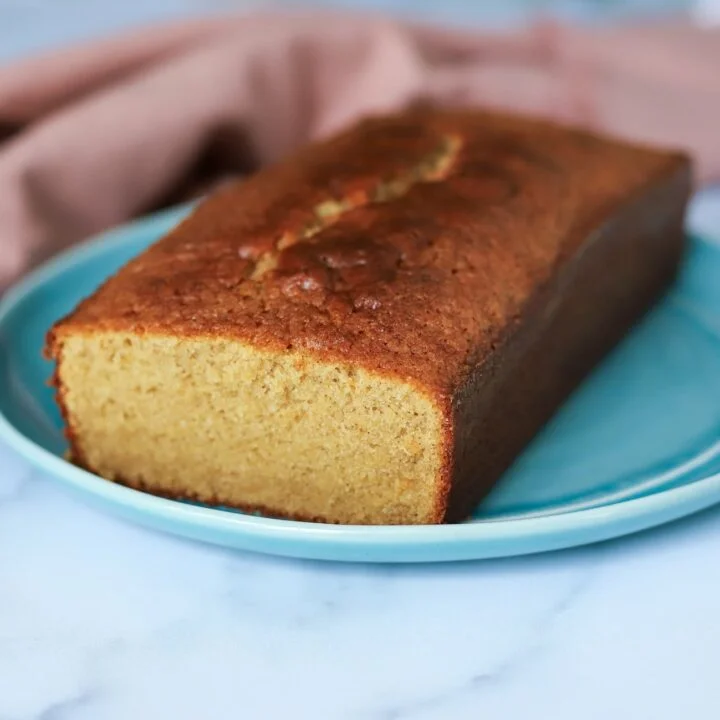
This small-batch sponge cake is a soft, buttery loaf flavoured with cinnamon, nutmeg and a hint of vanilla. It is a straightforward bake for a small gathering, with a tender crumb and a golden top.
Ingredients
- 150 g (⅓ lb; 10 tablespoons + 2 teaspoons)butter, at room temperature
- 150 g (⅓ lb; approximately 160 ml)light brown sugar or granulated sugar
- 3 large (about 150 g)eggs
- 1 teaspoonvanilla extract or Caribbean mixed essence
- ½ teaspoonorange zest (optional)
- 90 g (⅔ cup)plain flour
- 2 g (½ teaspoon)baking powder
- ½ teaspoonground cinnamon
- ¼ teaspoonground nutmeg
Instructions
- 1
Prepare the pan
Heat the oven to 175°C (350°F). Grease a 23 × 13 cm or 23 × 10 cm loaf tin, or a 20 cm round tin, and line its base with baking parchment. Alternatively, butter and flour the tin.
- 2
Cream butter and sugar
Beat the 150 g butter and 150 g sugar together in a large bowl until pale, light and fluffy. With a hand mixer, this takes about 3–5 minutes.
- 3
Add eggs and flavour
Beat in the eggs one at a time, mixing well after each addition. The mixture may look slightly curdled at first. Mix in the vanilla extract or Caribbean mixed essence and the orange zest, if using.
- 4
Combine dry ingredients
Whisk the flour, baking powder, cinnamon and nutmeg together in a separate bowl. Gradually fold them into the wet mixture, or mix on low speed, stopping as soon as the ingredients are combined.
- 5
Fill the tin
Transfer the batter to the prepared tin and smooth the surface. Tap the tin lightly on the worktop to release air bubbles.
- 6
Bake until golden
Bake for 35–40 minutes, until the top is golden and a toothpick inserted in the centre comes out clean. You can check it at 35 minutes.
- 7
Cool the cake
Leave the cake in the tin for about 10–15 minutes, then turn it out onto a wire rack and let it cool completely.
What is a sponge cake?
Sponge cake is a familiar style of cake made with eggs, flour and sugar, often enriched with butter for a softer, richer crumb. This version is gently spiced and baked in a loaf tin, making it easy to slice and serve.
The method builds air into the butter and sugar before adding the eggs and flour. Cinnamon, nutmeg and optional orange zest give the cake a warm, fragrant flavour.
Nutrition and macros by portion
The nutrition label shows one serving as written: 370 calories, 5g protein, 37g carbs, 23g fat.
| Portion | Adjustment | kcal | Protein | Carbs | Fat |
|---|---|---|---|---|---|
| Lighter | Smaller slice | 259 kcal | 3g | 26g | 16g |
| This serving | As written | 370 kcal | 5g | 37g | 23g |
| Hungry | Larger slice | 555 kcal | 7g | 55g | 34g |
Butter supplies most of the fat, while the flour and sugar provide most of the carbohydrates; the eggs contribute some protein and fat. Serve a slice with fresh fruit or plain yoghurt if you want to balance the plate with something fresh.
Choosing the ingredients
Butter: Bring it to room temperature so it creams smoothly with the sugar. Light brown sugar gives a deeper flavour, while granulated sugar keeps the taste more straightforward.
Flavourings: Vanilla or Caribbean mixed essence works here, and a little orange zest adds a citrus note. The zest is optional, so leave it out if you prefer a simpler spiced cake.
Creaming for a light crumb
Butter and sugar: Beat them for the full 3–5 minutes, until the mixture looks paler and fluffy. This step helps create a lighter texture, so avoid rushing it.
Eggs: Add them individually and mix after each one. If the mixture looks a little uneven, continue with the method rather than adding extra ingredients.
Mixing without toughness
Dry ingredients: Whisk the flour, baking powder and spices before adding them, so they are distributed evenly through the batter.
Final mixing: Fold gently or use the mixer on low, and stop as soon as no dry flour remains visible. Too much mixing after adding flour can make the cake less tender.
Checking when it is done
Timing: Start checking at 35 minutes, as ovens and tin shapes can affect how quickly the centre bakes. The recipe gives a baking window of 35–40 minutes.
Doneness: Look for a golden top and test the centre with a toothpick; it should come out clean. Let the cake rest in its tin for 10–15 minutes before turning it out.
Serving the cake
The cake is easy to serve in slices once completely cool. It pairs well with tea or coffee, or with fresh fruit for a simple dessert.
Use a sharp, serrated knife and a gentle sawing motion to cut neat slices without compressing the crumb.
Recipe notes & tips
- Use butter that is soft enough to leave an indentation when pressed, but not melted.
- Scrape down the bowl while creaming so the butter and sugar mix evenly.
- Measure the flour carefully and avoid packing it into the measuring cup.
- Line the base of the tin with baking parchment to help the cake release cleanly.
- Cool the cake completely before slicing for neater pieces.
Variations
- Citrus twist: Add the optional orange zest for a brighter aroma.
- Brown sugar: Choose light brown sugar for a deeper, more caramel-like flavour.
- Mixed essence: Use Caribbean mixed essence instead of vanilla for a different aromatic note.
- Warmer spice: Adjust the cinnamon and nutmeg to taste while keeping the flour and leavening unchanged.
Common mistakes to avoid
- Cold butter: It will not cream readily with the sugar; let it soften at room temperature first.
- Adding all the eggs together: The batter may become uneven; beat them in one at a time.
- Overmixing the flour: This can make the crumb less tender; stop as soon as the batter is combined.
- Skipping the doneness check: Begin testing at 35 minutes and use a toothpick in the centre.
- Turning it out too soon: The warm cake can break; leave it in the tin for 10–15 minutes first.
How to store
Once completely cool, keep the cake in an airtight container at room temperature for up to 3 days. Reheat a slice briefly in the microwave if you prefer it warm.
Frequently asked questions
Can I use either type of sugar?
Yes. The recipe allows light brown sugar or granulated sugar; brown sugar gives a deeper flavour.
Can I leave out the orange zest?
Yes. It is optional, and the cake will still be flavoured with vanilla or Caribbean mixed essence and the spices.
What size tin should I use?
Use a 23 × 13 cm or 23 × 10 cm loaf tin, or a 20 cm round tin. The recipe recommends a light-coloured tin.
Why does the batter look curdled after adding eggs?
It can look slightly curdled at first. Continue adding the eggs one at a time and mixing as directed.
How do I know when the cake is baked?
The top should be golden, and a toothpick inserted into the centre should come out clean. Start checking at 35 minutes.
Can I serve the cake warm?
For the neatest slices, let it cool completely. You can warm an individual slice briefly when serving.
Cook it from the original
This recipe comes from alicaspepperpot.com. Their page has the author’s own photos, notes and tips — the best place to cook it from.
Open the recipe on alicaspepperpot.com