
Best Almond Flour Substitute
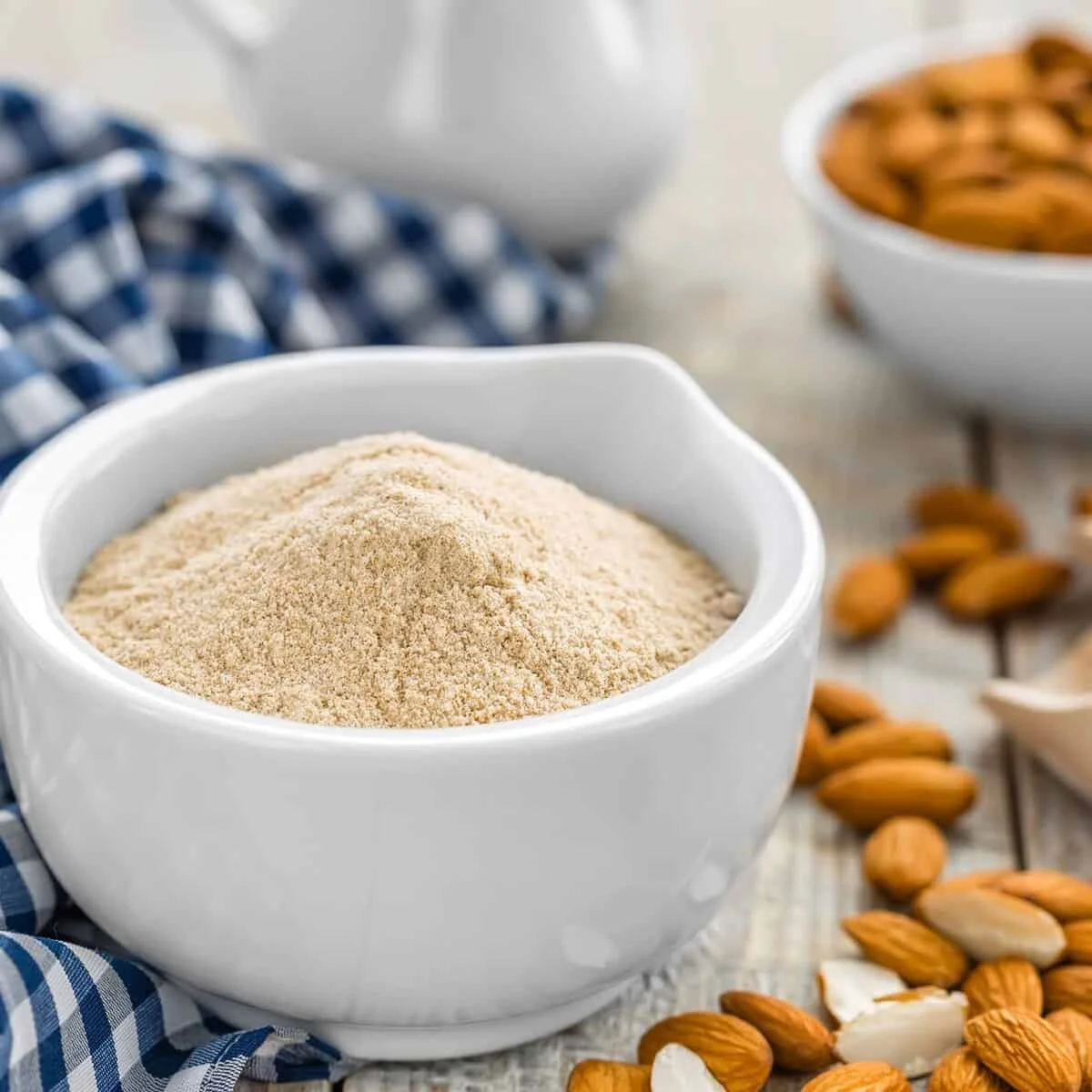
This guide gives you three ways to replace almond flour: finely ground cashews, coconut blended with another flour, or a homemade gluten-free flour blend. Choose the option that best suits your recipe and the ingredients you have to hand.
Ingredients
- 280 g (2 cups)raw cashew nuts
- 80 g (1 cup)desiccated coconut
- 320 g (2 cups)rice flour
- 40 g (⅓ cup)tapioca starch
- 105 g (⅔ cup)potato starch
- 3 g (1 tsp)xanthan gum
Instructions
- 1
Choose cashew flour
Option 1: Cashew flour.
- 2
Grind the cashews
Process 280 g (2 cups) of raw cashew nuts in a food processor or high-speed blender until finely ground.
- 3
Sift the flour
Tip the ground cashews into a small bowl through a sieve, catching any larger pieces.
- 4
Regrind the pieces
Return the larger pieces to the food processor and process them until powdered.
- 5
Combine the cashews
Transfer the newly ground cashews to the small bowl.
- 6
Use the substitute
Replace almond flour with cashew flour in a 1:1 ratio, following your recipe.
- 7
Choose coconut flour
Option 2: Coconut flour.
- 8
Grind the coconut
Process the desiccated coconut in a blender or food processor.
- 9
Powder the coconut
Keep processing until the coconut has a powdery texture.
- 10
Mix with flour
Transfer it to a small bowl and mix half-and-half with another type of flour.
- 11
Use the mixture
Use the mixture in a 1:1 ratio as a substitute, following your recipe.
- 12
Choose gluten-free flour
Option 3: Homemade gluten-free flour.
- 13
Mix the blend
In a small bowl, mix the rice flour, tapioca starch, potato starch and xanthan gum.
- 14
Replace almond flour
Use the blend as a 1:1 substitute for almond flour.
What are almond flour substitutes?
Almond flour is made from ground almonds and is often used in baking for its nutty flavour and tender texture. This guide offers three alternatives rather than one finished dish: ground cashews, coconut mixed with another flour, and a rice-flour-based blend.
Each option has a different composition, so a 1:1 measurement is a starting point, not a guarantee of identical results. The best choice depends on the recipe and the texture it needs.
Nutrition and macros by portion
The nutrition label shows one serving as written: 1427 calories, 47g protein, 78g carbs, 113g fat.
| Portion | Adjustment | kcal | Protein | Carbs | Fat |
|---|---|---|---|---|---|
| Lighter | Use a smaller amount | 999 kcal | 33g | 55g | 79g |
| This serving | As written | 1427 kcal | 47g | 78g | 113g |
| Hungry | Use a larger amount | 2141 kcal | 71g | 117g | 170g |
The listed nutrition is unusually high for a serving of flour substitute, so check the original serving definition before using it to plan a meal. Cashews and coconut contribute most of the fat and some protein, while rice flour and the starches provide most of the carbohydrates. If you use the substitute in a bake, balance the plate with a source of protein and fruit or vegetables.
Choosing an option
Cashew flour: this is the closest of the three options in that it is made from ground nuts. It suits recipes where a nutty flavour and a fine, flour-like texture work well.
Coconut mixture: coconut has a distinctive flavour, so the recipe pairs it half-and-half with another flour. The guide does not specify which flour to use; choose one that suits your recipe.
Gluten-free blend: rice flour, tapioca starch, potato starch and xanthan gum are combined into one mix. This option is designed as a flour blend rather than a nut-based replacement.
Grinding cashews finely
Work in short bursts with a food processor or high-speed blender, checking the texture as you go. Sifting separates the larger pieces so they can be processed again.
Stop once the cashews are powdery. Grinding for too long can release their oils and make the mixture clump.
Getting the coconut texture right
Process the coconut until it is as fine as your blender or food processor can make it. Coconut can remain a little more textured than a conventional flour.
Mix it half-and-half with another flour before using it. The recipe does not name a specific flour for this step, so keep in mind that your choice will affect the flavour and texture.
Mixing the flour blend
Combine the rice flour, tapioca starch, potato starch and xanthan gum thoroughly so the smaller quantities are evenly distributed. A small bowl is sufficient for the quantities listed.
This blend is the only option here that includes xanthan gum. Keep the ingredients in the stated proportions when preparing it.
Using a 1:1 replacement
The method recommends replacing almond flour with each substitute in a 1:1 ratio. Follow the quantity of almond flour called for in your recipe as a starting point.
The options are not interchangeable in flavour or performance. If baking results matter, try the substitute in a recipe where you can assess the texture before using it for a special occasion.
What to serve it with
These are baking ingredients rather than a standalone dish, so use the chosen substitute in the recipe that calls for almond flour. Cashew flour brings a mild nutty note, while coconut gives the bake a more noticeable coconut flavour.
The rice-flour blend is a practical choice when you want a mixed flour-and-starch option. Match the substitute to the other flavours in your bake.
Recipe notes & tips
- Use a dry, clean processor or blender for the best grinding results.
- Sift the cashew flour and regrind only the larger pieces.
- Pause between processing bursts to check that nuts are not turning oily.
- Blend the coconut with another flour in equal parts before measuring it into your recipe.
- Stir the gluten-free blend thoroughly so the xanthan gum is distributed evenly.
Variations
- Cashew option: use the finely ground cashews for a mild, nutty substitute.
- Coconut option: combine the ground coconut half-and-half with another flour.
- Gluten-free blend: mix all four listed ingredients together for the rice-flour option.
- Finer texture: sift the ground cashews and process the larger pieces again.
- Small batch: scale down the ingredients proportionally if you need less substitute.
Common mistakes to avoid
- Overprocessing cashews: they can become oily, so use short bursts and check frequently.
- Skipping the sieve: large nut pieces remain in the flour, so sift and regrind them.
- Using coconut alone: the method calls for mixing it half-and-half with another flour.
- Uneven flour blend: poorly mixed starches can affect consistency, so combine them thoroughly.
- Assuming identical results: a 1:1 ratio does not make the options behave exactly like almond flour, so consider the recipe's texture.
How to store
Store each substitute in a clean, airtight container in a cool, dry place, and label it with the ingredients and date. For the cashew and coconut versions, refrigeration is a sensible way to help preserve their freshness; use them promptly if their smell or appearance changes.
Frequently asked questions
Can I replace almond flour with cashew flour in equal amounts?
The method recommends a 1:1 ratio. Grind the cashews finely and sift out any larger pieces before using them.
Can I use coconut as a direct substitute on its own?
This method says to mix the ground coconut half-and-half with another flour, then use the mixture in a 1:1 ratio. It does not specify which flour to pair it with.
Is the rice-flour blend gluten-free?
The recipe describes it as a homemade gluten-free flour blend, using rice flour, tapioca starch, potato starch and xanthan gum. Check the packaging of your ingredients if you need to avoid gluten.
How do I stop cashew flour becoming paste-like?
Process the nuts in short bursts and stop when they are finely ground. Sift out larger bits and grind those separately rather than continuing to process the whole batch.
Will these substitutes work in every recipe?
They are suggested as 1:1 replacements, but their flavour and texture differ from almond flour. Results depend on the recipe, so a test bake is useful when texture is important.
Cook it from the original
This recipe comes from alsothecrumbsplease.com. Their page has the author’s own photos, notes and tips — the best place to cook it from.
Open the recipe on alsothecrumbsplease.com