
Hummus
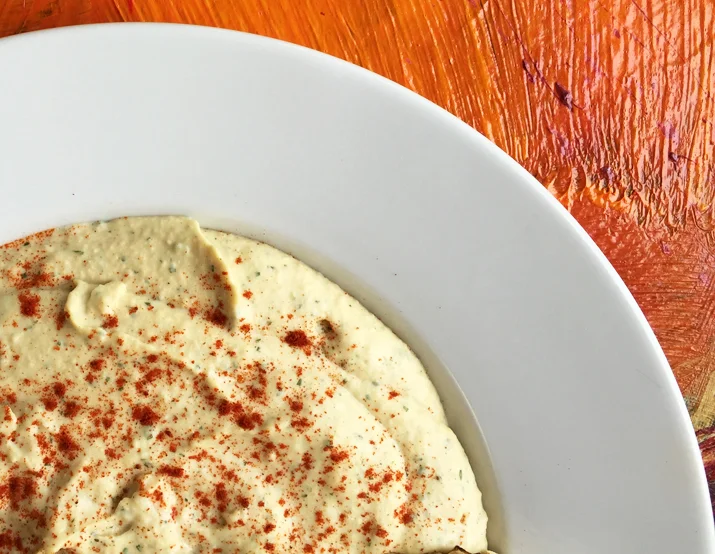
This smooth, garlicky hummus blends tender chickpeas with tahini, lemon and olive oil. Slow-cooked chickpeas give it a particularly soft texture, and a dusting of sumac or smoked paprika makes a simple finishing touch.
Ingredients
- 1.66 litres (7 cups)water
- 454 g (1 pound)dried chickpeas, picked over and rinsed
- 1.25 ml (1/4 teaspoon)bicarbonate of soda
- 454 g (1 pound)slow-cooker chickpeas
- 2 clovesgarlic, minced
- 7.5 ml (1 1/2 teaspoons)kosher salt
- 2.5 ml (1/2 teaspoon)ground cumin
- 80 ml (1/3 cup)tahini, stirred well
- 75 ml (5 tablespoons)freshly squeezed lemon juice
- 60 ml (1/4 cup), plus extra for servingextra-virgin olive oil
- To taste, optionalground sumac and/or smoked paprika
Instructions
- 1
Cook the chickpeas
Put the water, dried chickpeas and bicarbonate of soda in a 2.4-litre slow cooker. Cover and cook until tender: 4 hours on high or 8–9 hours on low. Drain the chickpeas and set them aside.
- 2
Blend the base
Put the slow-cooker chickpeas in a food processor with the garlic, salt and cumin. Process for 20–30 seconds, then scrape down the sides. Add the tahini and process for a further 15 seconds.
- 3
Add lemon and oil
Add the lemon juice and 60 ml (1/4 cup) of the reserved chickpea liquid; process for 20 seconds, then scrape down the sides. With the processor running, slowly drizzle in the olive oil and process for another 20 seconds, or until smooth.
- 4
Finish and serve
Spoon the hummus into a serving bowl. Drizzle with extra olive oil and, if desired, sprinkle with sumac or smoked paprika.
What is hummus?
Hummus is a chickpea-and-tahini dip associated with the cuisines of the Middle East and the eastern Mediterranean. Its exact history is shared across the region, and versions vary in seasoning and texture.
Here, the chickpeas are cooked slowly until tender, then blended with garlic, cumin, lemon and tahini. Olive oil added while blending helps make the finished dip creamy.
Nutrition and macros by portion
The nutrition label shows one serving as written: 279 calories, 10g protein, 23g carbs, 19g fat.
| Portion | Adjustment | kcal | Protein | Carbs | Fat |
|---|---|---|---|---|---|
| Lighter | Use less finishing oil | 195 kcal | 7g | 16g | 13g |
| This serving | As written | 279 kcal | 10g | 23g | 19g |
| Hungry | Serve a larger portion | 419 kcal | 15g | 35g | 29g |
The chickpeas provide most of the carbohydrates and plant protein, while tahini and olive oil contribute much of the fat. Serve a portion with vegetables and a modest amount of bread or flatbread for a more balanced plate.
The chickpea choice
Dried chickpeas: sorting and rinsing them before cooking removes debris and surface dust. The bicarbonate of soda helps the chickpeas soften as they cook.
Cooked chickpeas: use the specified 454 g in the hummus. They should be tender enough to crush easily; drain them but keep some cooking liquid for blending.
Getting a smooth blend
Tahini first: blend it with the chickpeas before adding the lemon and cooking liquid. Stir the tahini well in its container so its thicker and oilier parts are evenly combined.
Olive oil last: drizzle it into the running processor rather than tipping it in all at once. Scraping down the bowl between additions helps incorporate stray chickpeas and tahini.
Check the texture
Processing time: the recipe blends the chickpeas and seasonings for 20–30 seconds, then the tahini for 15 seconds. After adding lemon and cooking liquid, blend for 20 seconds before scraping the bowl.
Doneness cue: after the oil is added, the hummus should look smooth. If it still seems coarse, check that the chickpeas are fully tender and scrape down the bowl before continuing to blend.
Plan the slow cooking
High setting: allow 4 hours in a 2.4-litre slow cooker. Low setting: allow 8–9 hours.
The chickpeas need to be tender before blending, so use softness as the cue rather than relying only on the clock. The total time listed is 260 minutes, but the low-setting option takes longer.
Season and serve
Lemon and cumin: lemon juice brings a sharp note, while cumin adds warmth. Taste the finished dip and adjust the seasoning to suit your preference.
Toppings: finish with extra-virgin olive oil and, if you like, sumac or smoked paprika. Serve with flatbread or crisp vegetables, or use the hummus as a spread in a sandwich or wrap.
Recipe notes & tips
- Stir the tahini thoroughly before measuring it.
- Save some of the chickpea cooking liquid before draining.
- Scrape the food processor bowl between blending stages.
- Add the olive oil in a slow drizzle while the processor runs.
- Taste the hummus before serving and adjust the seasoning if needed.
- Use sumac or smoked paprika as a finishing sprinkle, or leave it off.
Variations
- Extra lemon: add a little more lemon juice for a sharper flavour.
- More garlic: increase the garlic for a stronger savoury note.
- Smoky finish: use smoked paprika on top instead of sumac.
- Herb topping: scatter chopped parsley over the hummus just before serving.
- Chilli finish: add a pinch of chilli flakes with the topping.
- Thicker dip: use less reserved chickpea liquid when blending.
Common mistakes to avoid
- Undercooked chickpeas: cook until they crush easily before blending.
- Skipping the scrape: scrape the processor bowl so unblended mixture is incorporated.
- Adding oil too quickly: drizzle it in with the processor running for a smoother blend.
- Forgetting the cooking liquid: reserve some before draining to help loosen the mixture.
- Unstirred tahini: mix it well in its container before measuring.
How to store
Keep the hummus in a covered container in the fridge for up to 4 days. Stir before serving; if it has thickened, mix in a little water or reserved chickpea liquid.
Frequently asked questions
Can I use tinned chickpeas?
Yes. Drain and rinse them, then use 454 g in the hummus. You will not need the slow-cooking stage, and you can use water or a little liquid from the tin in place of reserved cooking liquid.
Can I make the chickpeas ahead?
Yes. Cook and drain them ahead, then refrigerate them in a covered container. Keep a little of their cooking liquid for blending.
What can I use instead of a food processor?
A high-powered blender can work, though you may need to stop and scrape it more often. A masher will make a more rustic, less smooth hummus.
How can I loosen thick hummus?
Blend in a small amount of reserved chickpea liquid at a time until it reaches the texture you like.
Can I leave out the sumac or smoked paprika?
Yes. Both are optional finishing touches, so the hummus can be served without either.
Cook it from the original
This recipe comes from altonbrown.com. Their page has the author’s own photos, notes and tips — the best place to cook it from.
Open the recipe on altonbrown.com