
Dukkah roasted cauliflower
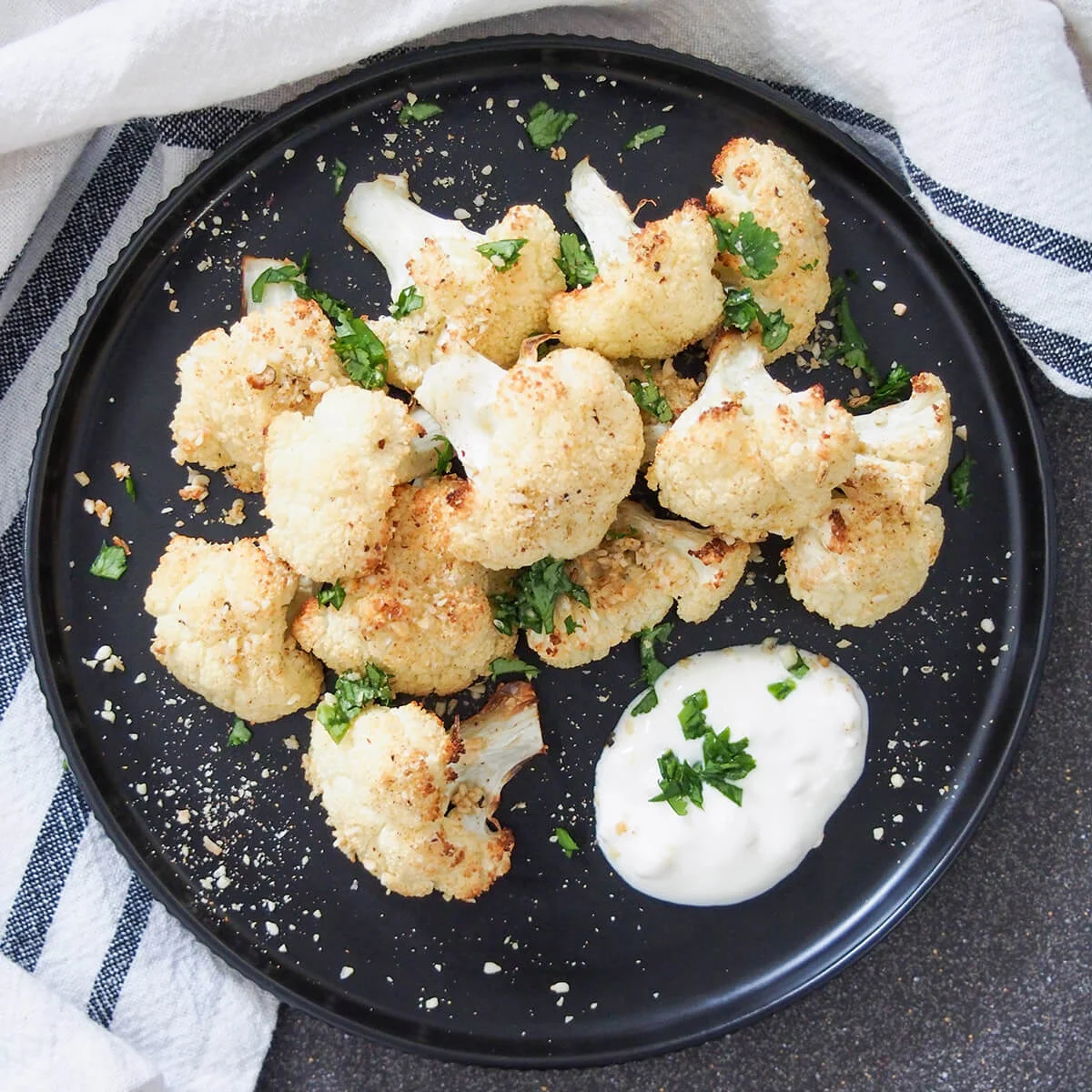
Roasted cauliflower gets a fragrant coating of dukkah and a crisp edge, then is served with tangy preserved lemon yoghurt. Make it as a simple side or a warm starter.
Ingredients
- 340 g (12 oz; about ½ a medium head)cauliflower
- 15 ml (1 tbsp)olive oil
- 7.5 ml (½ tbsp), plus a little more to servedukkah
- 7.5 ml (½ tbsp; about ⅛ of a lemon, skin only)preserved lemon, flesh removed
- 30 ml (2 tbsp)Greek yoghurt, or another plain, thicker yoghurt
- 5 ml (1 tsp), choppedcoriander
Instructions
- 1
Heat the oven
Preheat the oven to 200°C (400°F).
- 2
Cut the cauliflower
Cut the cauliflower into florets. Halve larger pieces or cut them smaller so they are roughly even and large bite-sized.
- 3
Season the florets
Arrange the cauliflower on a baking tray or in a baking dish and drizzle with the olive oil. Toss to coat, then sprinkle over the dukkah, aiming to cover the pieces fairly evenly.
- 4
Roast until crisp
Roast for approximately 20–25 minutes, until the tops are just beginning to brown and the undersides are starting to crisp.
- 5
Mix the yoghurt
While the cauliflower cooks, finely chop or mince the preserved lemon and stir it into the yoghurt. Mincing gives a smoother mixture that is easier to spoon onto the cauliflower, but a chunkier texture is also fine.
- 6
Garnish and serve
Transfer the cooked cauliflower to a plate and sprinkle with the chopped coriander and, if you like, about ½ tsp extra dukkah. Serve warm with the lemon yoghurt.
What is dukkah roasted cauliflower?
Dukkah is a Middle Eastern-inspired blend of nuts, seeds and spices, and its fragrant, textured coating gives roasted cauliflower a distinctive savoury finish. This fusion-style dish pairs that seasoning with preserved lemon yoghurt for a bright, creamy contrast.
The method is straightforward: roast the florets until their edges colour, then serve them warm with the yoghurt alongside. It works as a side or as a small appetiser.
Nutrition and macros by portion
The nutrition label shows one serving as written: 76 calories, 3g protein, 6g carbs, 5g fat.
| Portion | Adjustment | kcal | Protein | Carbs | Fat |
|---|---|---|---|---|---|
| Lighter | Use less olive oil | 53 kcal | 2g | 4g | 4g |
| This serving | As written | 76 kcal | 3g | 6g | 5g |
| Hungry | Add another cauliflower portion | 114 kcal | 5g | 9g | 8g |
The cauliflower supplies most of the carbohydrates, while the olive oil and the fat in the dukkah and yoghurt contribute much of the fat. Cauliflower and yoghurt provide some protein, though this is a modest-protein side; pair it with a protein-rich main and grains or bread to round out the plate.
Choosing the cauliflower
Even pieces: Cut florets to a similar size so they roast at much the same rate. Halve any especially large ones, as directed, to keep the tray from having a mix of very soft and undercooked pieces.
Dry surfaces: If the cauliflower has been rinsed, pat it dry before adding the oil. This helps the dukkah adhere and supports browning rather than steaming.
Getting an even dukkah coating
Oil first: Toss the florets in olive oil before adding the dukkah, so the seasoning has something to cling to. Spread the pieces out on the tray after coating them.
Leave room: Avoid piling the florets on top of one another. If they are crowded, use a larger tray or roast in batches so their surfaces can brown.
Roasting cues and timing
Check the colour: The recipe gives a roasting time of approximately 20–25 minutes at 200°C. Look for lightly browned tops and undersides that are beginning to crisp, rather than relying on the clock alone.
Check the centre: A fork should pass into a floret with some resistance if you want it to retain a little bite. Smaller pieces may cook sooner, so start checking them towards the lower end of the time range.
Making the preserved lemon yoghurt
Remove the flesh: Use the preserved lemon skin only, as specified, and chop it finely before stirring it through the yoghurt. Small pieces spread the lemon flavour through each spoonful.
Choose the texture: Minced lemon makes a smoother yoghurt that is easy to scoop onto the florets. If you prefer more pronounced pieces, chop it less finely.
Serving the dish
Serve warm: Add the coriander and optional extra dukkah just before serving, so the garnish stays distinct against the roasted coating. Put the lemon yoghurt alongside or spoon it onto each portion.
Make it a plate: Serve with grains, flatbread or other vegetables for a more substantial meal. Keep the yoghurt separate until serving to preserve the cauliflower’s crisp edges.
Recipe notes & tips
- Cut the florets to a similar size for more even roasting.
- Pat damp cauliflower dry before coating it with oil.
- Spread the florets out so their undersides can crisp.
- Mince the preserved lemon finely for smoother yoghurt.
- Add the optional extra dukkah and coriander just before serving.
Variations
- Add a little heat: Mix a pinch of chilli into the dukkah before coating the florets.
- Use another herb: Swap the coriander for chopped parsley if preferred.
- Change the yoghurt: Use another plain, thicker yoghurt as the recipe allows.
- Make it dairy-free: Serve with a thick plain plant-based yoghurt instead.
- Add a grain: Serve the cauliflower over cooked grains to make a more filling plate.
Common mistakes to avoid
- Uneven florets: Cut larger pieces down so they cook at a similar pace.
- Wet cauliflower: Pat it dry before adding oil to help it roast rather than steam.
- Crowded tray: Spread the pieces out or use two trays so they can brown.
- Too much lemon flesh: Remove the flesh and chop only the preserved lemon skin.
- Over-roasting: Check the florets from around 20 minutes and take them out when browned and starting to crisp.
How to store
Refrigerate leftover cauliflower and lemon yoghurt in separate airtight containers and use within 3 days. Reheat the cauliflower in an oven until hot; serve with the cold yoghurt.
Frequently asked questions
Can I use frozen cauliflower?
Fresh cauliflower is the best fit for the stated roasting cues. If using frozen, thaw and dry it thoroughly first, and expect its texture to be softer.
What is dukkah?
Dukkah is a seasoned blend, commonly made with nuts, seeds and spices. Its exact mix varies, so the flavour and texture of the coating can differ by blend.
Can I prepare the lemon yoghurt ahead?
Yes. Stir the chopped preserved lemon into the yoghurt ahead of time and keep it chilled in a covered container until serving.
How do I know when the cauliflower is ready?
After approximately 20–25 minutes at 200°C, the tops should be just starting to brown and the undersides should be beginning to crisp. Check smaller florets earlier.
Can I make this without preserved lemon?
The preserved lemon gives the yoghurt its distinctive salty, citrusy flavour. You can serve plain yoghurt instead, though the result will be less tangy.
Cook it from the original
This recipe comes from carolinescooking.com. Their page has the author’s own photos, notes and tips — the best place to cook it from.
Open the recipe on carolinescooking.com