
Pan-Seared Hake
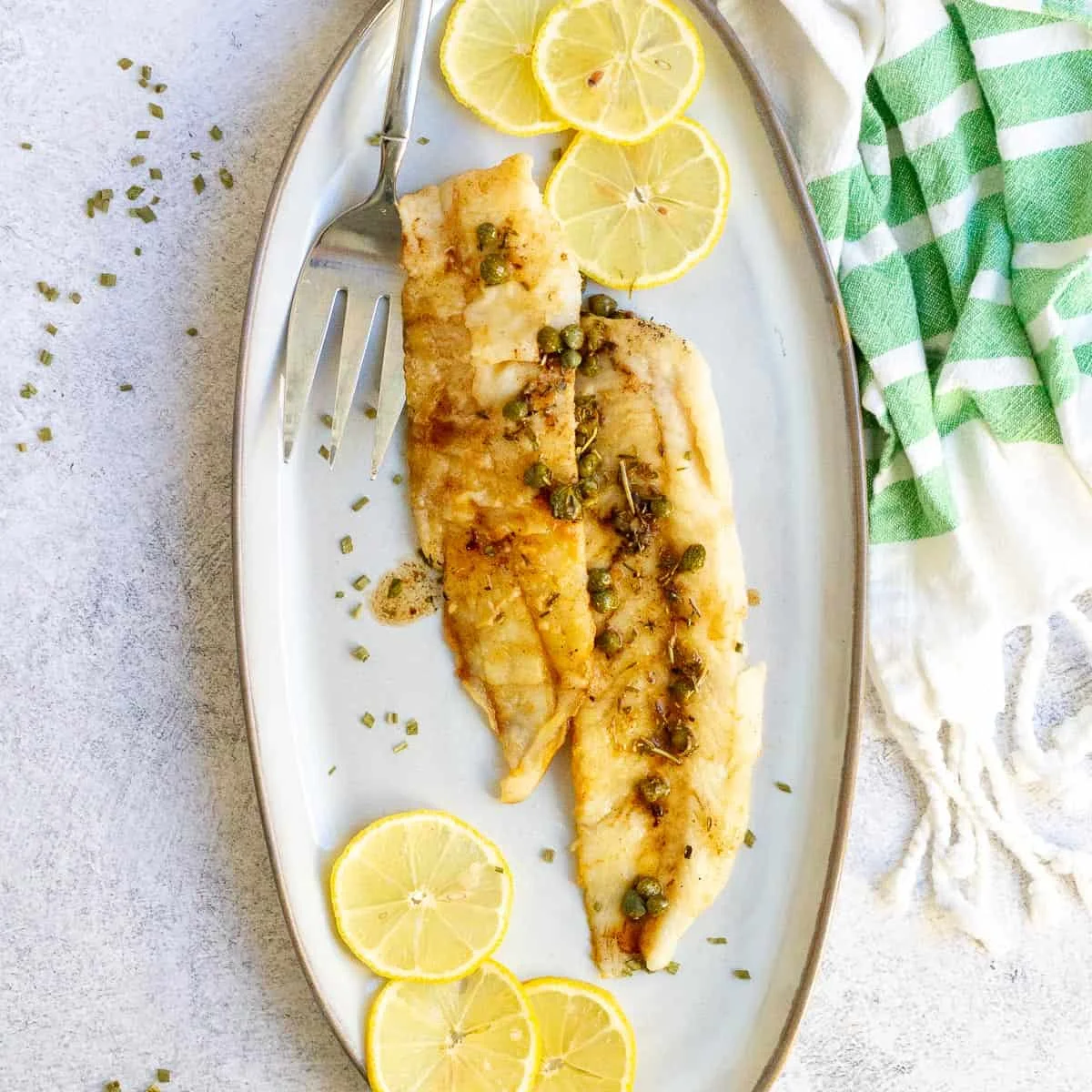
Hake fillets are lightly floured, pan-seared in butter and olive oil, then served with a quick lemon, caper and herb sauce. It is a fast fish supper with a crisp golden surface and a bright, buttery finish.
Ingredients
- 227 g (8 oz), 2 filletshake
- 8 g (1 tablespoon)plain flour (use gluten-free plain flour if needed)
- A pinch of eachsalt and pepper
- 15 ml (1 tablespoon)olive oil
- 28 g (2 tablespoons), dividedbutter
- 1lemon, juiced
- 9 g (1 tablespoon)capers
- A small handfulfresh herbs, such as rosemary, chives or oregano
Instructions
- 1
Prepare the fillets
Pat the hake fillets dry. Dust them with flour and shake off any excess, then season both sides with salt and pepper. Put the olive oil and 14 g (1 tablespoon) of the butter in a heavy pan. Heat over medium-high until the butter has melted without browning, then reduce the heat to medium.
- 2
Sear the hake
Lay the fillets in the pan and cook for about 3 minutes without moving them. Test with a thin metal spatula: if it slides underneath without the fish sticking, turn the fillets; if they do not release, cook for another 30 seconds. After turning, divide the remaining 14 g (1 tablespoon) butter between the fillets.
- 3
Finish and serve
Cook for a further 2–3 minutes, until the fish is golden on both sides and opaque throughout. Transfer it to plates, leaving the excess butter in the pan. Cover the fish to keep it warm, or place it in an oven set to 95°C (200°F). Add the lemon juice and capers to the pan and stir with a wooden spoon. Stir in half the herbs, then serve the fish hot with the pan sauce and remaining herbs.
What is pan-seared hake?
Hake is a mild, white-fleshed fish often used in European cooking, including French-inspired dishes. Here, the fillets are quickly seared and paired with a buttery sauce sharpened with lemon and capers.
The flour coating helps the outside colour in the pan, while the brief cooking time keeps the fish tender. The sauce is made in the same pan, picking up the buttery flavour left behind by the hake.
Nutrition and macros by portion
The nutrition label shows one serving as written: 272 calories, 20g protein, 8g carbs, 19g fat.
| Portion | Adjustment | kcal | Protein | Carbs | Fat |
|---|---|---|---|---|---|
| Lighter | Use less butter | 190 kcal | 14g | 6g | 13g |
| This serving | As written | 272 kcal | 20g | 8g | 19g |
| Hungry | Add potatoes or bread | 408 kcal | 30g | 12g | 29g |
The hake supplies most of the protein, while the flour and any side dish contribute carbohydrates. Butter and olive oil provide most of the fat; serve with vegetables and a moderate portion of potatoes or bread to make a balanced plate.
Choosing and preparing the fish
Dry fillets: patting the hake dry helps it sear rather than steam. Shake off loose flour so the coating stays light.
Seasoning: a little salt and pepper on both sides is enough to complement the lemon, capers and herbs.
Getting a clean sear
Pan heat: start at medium-high to melt the butter, then lower the heat to medium before adding the fish. The butter should be melted but not browned.
Resist moving the fillets: let them cook for about 3 minutes before testing with a thin spatula. If the fish sticks, give it another 30 seconds rather than forcing it loose.
How to tell when hake is done
Look for a golden surface on both sides and flesh that is opaque all the way through. The second side usually needs 2–3 minutes, depending on the thickness of the fillets.
Handle the fish gently when turning and transferring it, as cooked hake can flake easily.
Making the lemon and caper sauce
Pan juices: leave the excess butter in the pan after moving the fish to plates. Stir in the lemon juice and capers with a wooden spoon.
Fresh herbs: add half to the sauce and reserve the rest for serving, so the finished dish has both cooked-in and fresh herb flavour.
What to serve with hake
Serve the fish straight away, spooning the lemon and caper sauce over the top. Boiled or roasted potatoes, rice, or crusty bread can soak up the buttery sauce.
For a lighter plate, add a green salad or simply cooked vegetables such as green beans.
Recipe notes & tips
- Choose fillets of similar thickness so they cook at the same pace.
- Use a heavy pan that holds heat steadily for an even sear.
- Keep the flour coating thin by shaking off any excess.
- Use a thin metal spatula to check whether the fish releases before turning.
- Have the lemon juice, capers and herbs ready before the fish goes into the pan.
- If holding the fish warm in the oven, cover it while you make the sauce.
Variations
- Change the herbs: use rosemary, chives or oregano according to what you have.
- Add garlic: stir a little finely chopped garlic into the pan before adding the lemon juice.
- Use gluten-free flour: swap the plain flour for gluten-free plain flour as indicated.
- Add extra lemon: serve with lemon wedges for a sharper finish.
- Serve with vegetables: pair the hake with green beans or a simple salad.
Common mistakes to avoid
- Wet fillets: pat the fish dry first so it can sear instead of steaming.
- Too much flour: shake off the excess to avoid a thick, pasty coating.
- Moving the fish too soon: wait about 3 minutes and test for release before turning.
- Forcing a stuck fillet: give it another 30 seconds, then test again with the spatula.
- Overcooking the second side: check after 2 minutes and stop once the fish is opaque throughout.
- Burning the butter: reduce the heat after it melts and before adding the fillets.
How to store
Refrigerate leftover hake and sauce in a covered container for up to 2 days. Reheat gently in a pan over low heat or in short bursts in the microwave, until hot; avoid prolonged heating, which can dry out the fish.
Frequently asked questions
Can I use frozen hake?
Yes, thaw it completely in the refrigerator and pat it very dry before flouring. Excess moisture can prevent the fish from browning.
How do I know when the fish is ready to turn?
Slide a thin metal spatula gently underneath. If the fillet releases without sticking, turn it; otherwise, give it another 30 seconds.
Can I make this with another fish?
Yes, use another mild white fish fillet of similar thickness. Cooking time may vary, so use the golden surface and opaque flesh as cues.
What can I use instead of capers?
You can leave them out or use chopped green olives for a similarly briny note, though the flavour will differ.
Can I prepare the sauce ahead?
It is best made in the pan just after cooking the fish, so it picks up the butter left in the pan. The sauce only takes a moment to stir together.
Cook it from the original
This recipe comes from champagne-tastes.com. Their page has the author’s own photos, notes and tips — the best place to cook it from.
Open the recipe on champagne-tastes.com