
Hummus
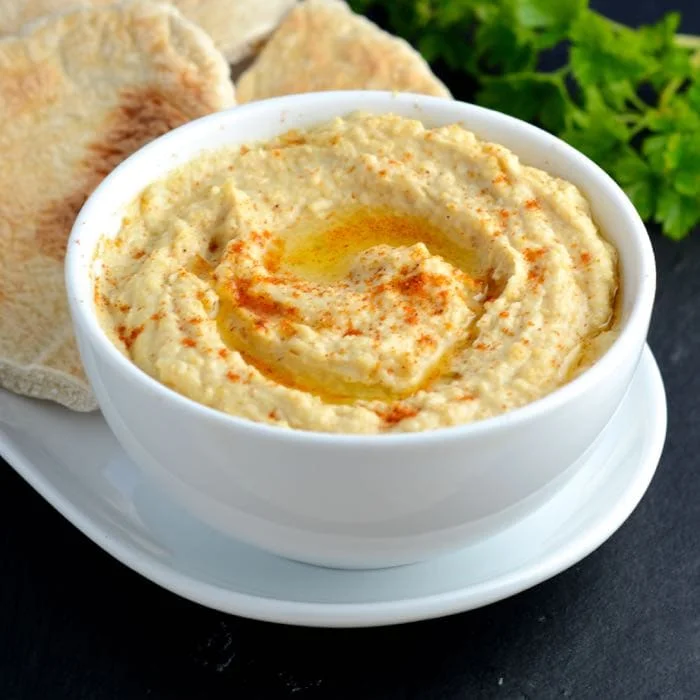
This smooth homemade hummus gets its sesame flavour from toasted, ground sesame seeds rather than tahini. It takes about 15 minutes and makes six servings.
Ingredients
- 4 tbspsesame seeds
- 1 x 400 g canchickpeas, preferably peeled
- 2 tbspolive oil
- 2 tbsprapeseed oil
- 2 tbspcold water
- 1 clovegarlic
- Juice of 1/2lemon
- To tastesalt
Instructions
- 1
Toast the sesame
Heat a small frying pan over a medium heat. Add the 4 tbsp sesame seeds and cook until lightly browned, shaking the pan gently so they colour evenly. Take care not to overcook them, as they can become bitter.
- 2
Grind the seeds
Remove the toasted seeds from the heat and grind them to a fine powder using a blender, spice grinder or pestle and mortar.
- 3
Blend the chickpeas
Drain and peel the chickpeas from the 400 g can. Put them in a blender with the sesame powder, 2 tbsp olive oil and 2 tbsp rapeseed oil, then blend until smooth.
- 4
Adjust the texture
If the hummus is too thick, add cold water and blend again until it reaches the consistency you want. Use up to 2 tbsp.
- 5
Add lemon and garlic
Crush the garlic clove and add it to the hummus with the juice of about half a lemon. Blend, adding the lemon juice and garlic gradually and tasting as you go to find the balance you like.
- 6
Season with salt
Add salt to taste.
- 7
Blend and serve
Blend once more, then serve.
What is hummus?
Hummus is a Middle Eastern and eastern Mediterranean dip traditionally made with chickpeas, tahini, lemon and garlic. This version skips ready-made tahini and uses toasted, finely ground sesame seeds for a similar nutty note.
Blending the seeds with the chickpeas and oils makes a quick, creamy dip with ingredients that are easy to find.
Nutrition and macros by portion
The nutrition label shows one serving as written: 176 calories, 4g protein, 10g carbs, 13g fat.
| Portion | Adjustment | kcal | Protein | Carbs | Fat |
|---|---|---|---|---|---|
| Lighter | Use less oil | 123 kcal | 3g | 7g | 9g |
| This serving | As written | 176 kcal | 4g | 10g | 13g |
| Hungry | Serve a larger portion | 264 kcal | 6g | 15g | 20g |
The chickpeas provide most of the carbohydrates and some protein, while the sesame seeds and olive and rapeseed oils contribute much of the fat. Serve a portion with plenty of vegetables and a protein-rich food for a more balanced plate.
Toasting the sesame seeds
Even heat: Toast the seeds in a dry pan over medium heat, shaking it gently so they brown evenly.
Watch closely: Take them off the heat once lightly browned. Dark or overcooked seeds can make the hummus taste bitter.
Choosing the chickpeas
Peeling: The recipe suggests peeled chickpeas, which can help the finished dip feel smoother. Drain the can before adding them to the blender.
Blending: Process the chickpeas with the ground sesame and both oils before adding the garlic and lemon, as directed.
Getting a smooth texture
Water: Add the cold water gradually if the mixture seems too thick. The recipe uses 2 tbsp, but add only enough to reach your preferred consistency.
Finish: Blend again after seasoning so the salt and flavourings are distributed through the dip.
Balancing the flavour
Lemon and garlic: Add these in stages, tasting between additions rather than tipping them all in at once. Their intensity can vary, so this lets you adjust the balance to suit your taste.
Salt: Season after the main ingredients are blended, then taste before serving.
Serving ideas
Serve the hummus as a dip with vegetable sticks, flatbread or crackers, or spoon it alongside a meal. It also works as a spread in wraps and sandwiches.
For a more filling plate, pair it with vegetables and a source of protein such as eggs or grilled chicken.
Recipe notes & tips
- Shake the pan while toasting the sesame seeds to help them colour evenly.
- Let the toasted seeds cool briefly before grinding them.
- Add the cold water a little at a time so the hummus does not become too loose.
- Crush the garlic before blending it into the chickpeas.
- Taste as you add the lemon juice and garlic to control their intensity.
- Blend once more after adding salt for an even finish.
Variations
- More lemon: Add extra juice gradually for a brighter, sharper flavour.
- Garlic-forward: Blend in more crushed garlic a little at a time.
- Herb finish: Stir chopped parsley through the hummus just before serving.
- Spiced version: Add a pinch of ground cumin while blending.
- Sesame topping: Reserve a few toasted seeds to scatter over the hummus.
Common mistakes to avoid
- Over-toasting the seeds: They can turn bitter, so remove them from the heat as soon as they are lightly browned.
- Adding all the water at once: The hummus may become too thin; blend in the water gradually.
- Adding all the lemon and garlic at once: Their flavour can overpower the dip, so taste as you add them.
- Skipping the draining: Excess liquid from the can can affect the texture; drain the chickpeas first.
- Leaving the sesame coarse: Grind it to a fine powder before blending for a smoother result.
How to store
Keep leftover hummus in an airtight container in the fridge and use within 3–4 days. Stir before serving; it is usually best served chilled or at room temperature rather than reheated.
Frequently asked questions
Can I make this hummus without tahini?
Yes. This recipe uses toasted, ground sesame seeds instead of tahini, giving the dip a sesame flavour without requiring the paste.
Do I need to peel the chickpeas?
The recipe recommends peeled chickpeas, but peeling is optional. Removing the skins can help the hummus blend more smoothly.
How much water should I add?
Add it gradually if the hummus is too thick. The recipe uses 2 tbsp, but stop when the consistency suits you.
Can I use only one type of oil?
The recipe calls for 2 tbsp each of olive oil and rapeseed oil. Changing the oils will alter the flavour, so the closest match is to use both as listed.
How do I avoid bitter hummus?
Watch the sesame seeds carefully and take them off the heat once lightly browned. Overcooking them can make them bitter.
Cook it from the original
This recipe comes from charlotteslivelykitchen.com. Their page has the author’s own photos, notes and tips — the best place to cook it from.
Open the recipe on charlotteslivelykitchen.com