
Soft Peanut Butter Cookies
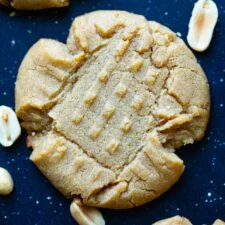
These soft American-style peanut butter cookies combine a tender, buttery centre with rich peanut flavour. Chilling the dough helps make them easy to portion and bake whenever you fancy a batch.
Ingredients
- 190 g (1½ cups)plain flour
- 5 ml (1 teaspoon)bicarbonate of soda
- 2.5 ml (½ teaspoon)baking powder
- 2.5 ml (½ teaspoon)kosher salt
- 100 g (½ cup)granulated sugar
- 110 g (½ cup), packedlight brown sugar
- 113 g (½ cup; 1 stick), softened to room temperatureunsalted butter
- 250 g (1 cup)smooth peanut butter
- 1 largeegg
- 7.5 ml (1½ teaspoons)vanilla extract
- 30 ml (2 tablespoons)double cream or milk
Instructions
- 1
Mix dry ingredients
Combine the flour, bicarbonate of soda, baking powder and salt in a small bowl, then set it aside.
- 2
Beat butter and sugars
Using a stand mixer with a paddle attachment or a hand-held electric mixer, beat the granulated sugar, brown sugar and butter until combined. Beat in the peanut butter, then add the egg and vanilla. Stop to scrape down the sides of the bowl so everything is incorporated.
- 3
Add dry mixture
Gradually mix in the dry ingredients, stopping as soon as they are just combined. Take care not to overmix.
- 4
Chill the dough
Mix in the double cream or milk. Transfer the dough to a bowl, cover with cling film and refrigerate for at least 2 hours, preferably overnight.
- 5
Shape the cookies
Heat the oven to 175°C (350°F) and line a large baking tray with a baking liner or baking parchment. Take the dough from the fridge, scoop portions with an ice-cream scoop and roll them into balls.
- 6
Press with a fork
Press a fork lightly into the centre of each ball, then press again in the opposite direction so the marks cross.
- 7
Bake and cool
Bake for 10–12 minutes. The cookies will look underbaked, but they will continue to cook as they rest. Leave them to cool for 10 minutes, then enjoy them as they are or with a glass of milk.
What are soft peanut butter cookies?
Peanut butter cookies are an American classic, often recognised by the crossed fork marks pressed into the dough. This version uses both granulated and brown sugar for sweetness and a soft, buttery texture.
The dough is chilled before baking, which makes it easier to handle and gives the flavours time to come together. A short bake and a rest on the tray help keep the centres tender.
Nutrition and macros by portion
The nutrition label shows one serving as written: 161 calories, 5g protein, 18g carbs, 9g fat.
| Portion | Adjustment | kcal | Protein | Carbs | Fat |
|---|---|---|---|---|---|
| Lighter | Smaller cookie portions | 113 kcal | 3g | 13g | 6g |
| This serving | As written | 161 kcal | 5g | 18g | 9g |
| Hungry | Two-cookie portion | 242 kcal | 7g | 27g | 14g |
The flour and sugars provide most of the carbohydrates, while peanut butter and butter account for much of the fat; peanut butter and egg contribute protein. Enjoy a cookie with fruit or yoghurt if you want to round out a snack.
Choosing the ingredients
Peanut butter: Smooth peanut butter gives the dough an even texture and makes it straightforward to scoop and shape.
Sugars: Granulated sugar and packed light brown sugar are both important here; measure the brown sugar firmly into its cup if using cup measures.
Cream or milk: Either works to bring the dough together. Use one or the other, as specified, rather than adding both.
Why chill the dough?
Chilling: Refrigerate the covered dough for at least 2 hours, or preferably overnight. Cold dough is firmer and less sticky when you portion and roll it.
Planning ahead: The overnight rest is useful if you want to bake the cookies the next day. Keep the bowl covered while it chills so the dough does not dry out.
Getting the texture right
Mixing: Once the flour goes in, mix only until no dry patches remain. Overmixing can make the finished cookies less tender.
Baking: At 10–12 minutes, the cookies may still look undercooked in the middle. Follow the recipe’s cooling time; they continue cooking as they rest, so avoid waiting for them to look fully firm in the oven.
Shaping and timing
Portioning: Scoop the chilled dough and roll it into balls before placing them on the prepared tray. Aim for portions of similar size so they bake at a similar rate.
Fork marks: Press gently in one direction, then across in the other. This gives the familiar pattern without flattening the dough too much.
Serving the cookies
Milk: These cookies are lovely with a glass of milk, as the recipe suggests. They also work well alongside tea or coffee.
For a simple dessert, serve a cookie after a meal or crumble one over a bowl of ice cream. Let freshly baked cookies cool for the full 10 minutes before serving.
Recipe notes & tips
- Bring the butter to room temperature so it beats smoothly with the sugars.
- Scrape down the mixer bowl after adding the egg and vanilla to catch any unmixed ingredients.
- Chill the dough for at least 2 hours before shaping.
- Use a light touch when making the fork marks so the dough balls keep their shape.
- Let the cookies rest for 10 minutes after baking before moving or serving them.
Variations
- Crunchy peanut butter: Swap in crunchy peanut butter for a little more texture.
- Chocolate chips: Fold a handful of chocolate chips into the dough after adding the flour.
- Sea salt: Add a small pinch of flaky salt to each dough ball before baking.
- Extra vanilla: Use a little more vanilla for a more pronounced vanilla note.
- Smaller cookies: Scoop smaller portions and check them towards the early end of the baking time.
Common mistakes to avoid
- Skipping the chill: The dough will be softer and harder to shape; refrigerate it for at least 2 hours.
- Overmixing the flour: This can make the cookies less tender; stop as soon as the dry ingredients are incorporated.
- Pressing too hard: Flattened dough can lose its shape; make the fork marks with a gentle press.
- Waiting for browned centres: The cookies can look underdone when ready; take them out after 10–12 minutes and let them rest.
- Moving them too soon: Warm cookies are delicate; leave them to cool for 10 minutes before serving.
How to store
Once completely cool, keep the cookies in an airtight container at room temperature for up to 4 days. Freeze baked cookies in a sealed container for up to 2 months, then thaw at room temperature; warm briefly in the oven if you like them warm.
Frequently asked questions
Can I chill the dough overnight?
Yes. Cover the bowl and refrigerate the dough overnight, as recommended in the method.
Can I use milk instead of double cream?
Yes. The recipe calls for 30 ml of double cream or milk, so choose either one.
Why do the cookies look underbaked?
They are meant to look soft when they come out of the oven and continue cooking as they rest. Leave them for 10 minutes before eating.
Do I need to make the fork marks?
The marks give these cookies their familiar look and press the dough down slightly. Press gently in both directions so the balls do not flatten too much.
Can I freeze the dough?
The recipe does not give instructions for freezing the dough. For make-ahead storage, freeze the baked cookies in a sealed container and thaw them at room temperature.
Cook it from the original
This recipe comes from butterbeready.com. Their page has the author’s own photos, notes and tips — the best place to cook it from.
Open the recipe on butterbeready.com