
Scrambled Eggs
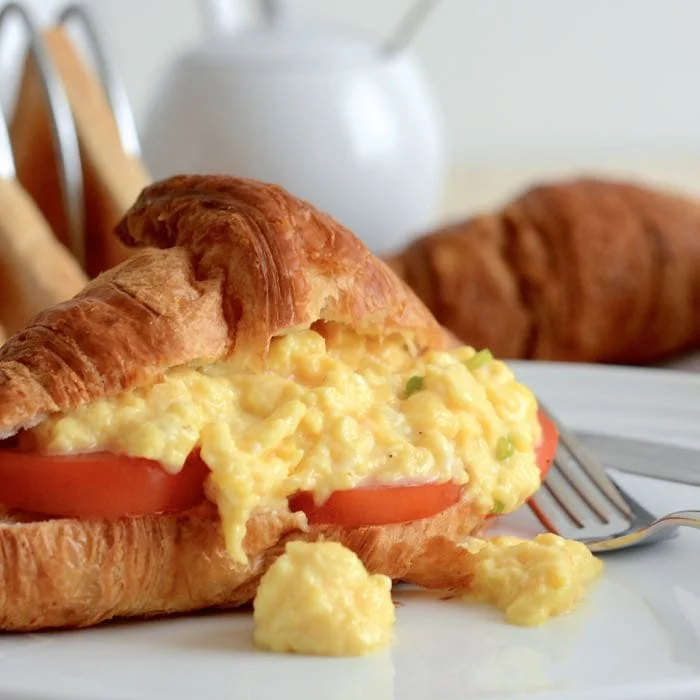
Soft, creamy scrambled eggs made gently in a pan with milk and butter. This simple one-serving recipe is ready in about eight minutes and relies on low heat and patient scraping for tender curds.
Ingredients
- 2eggs
- 60 mlfull-fat milk
- 5 ml (1 tsp)butter
- to tastesalt and pepper
Instructions
- 1
Beat and season
Beat the eggs with the milk, then season with salt and pepper.
- 2
Melt the butter
Melt the butter in a small frying pan over the lowest heat setting on your hob.
- 3
Add the eggs
Once the butter has melted, pour in the egg and milk mixture.
- 4
Scrape the pan
Leave the mixture undisturbed for about 30 seconds. Use a large spoon or fish slice to scrape the sides towards the centre, repeating roughly every 30 seconds until solid lumps begin to form in the middle.
- 5
Finish gently
Once lumps appear, the eggs will cook faster. Scrape from the sides to the centre about every 10 seconds until the eggs are almost set; they will continue cooking in the residual heat.
- 6
Serve immediately
Serve the scrambled eggs.
What are scrambled eggs?
Scrambled eggs are beaten eggs gently cooked in a pan, stirred or folded into soft curds. They are a familiar breakfast dish in many places, rather than a recipe with one clear point of origin.
This version uses milk and butter for a mild, rich result. Its low-heat method and occasional scraping help the eggs cook gradually instead of turning into a firm, dry layer.
Nutrition and macros by portion
The nutrition label shows one serving as written: 198 calories, 12g protein, 3g carbs, 14g fat.
| Portion | Adjustment | kcal | Protein | Carbs | Fat |
|---|---|---|---|---|---|
| Lighter | Use less butter | 139 kcal | 8g | 2g | 10g |
| This serving | As written | 198 kcal | 12g | 3g | 14g |
| Hungry | Add another egg | 297 kcal | 18g | 5g | 21g |
The eggs provide most of the protein and fat, while the milk contributes a small amount of carbohydrate as well as some protein. Butter adds further fat; serve with wholemeal toast or vegetables if you would like a more balanced plate.
Why cook them over low heat?
Low heat gives the egg mixture time to form curds slowly. It also makes it easier to control the cooking as you scrape the set egg from the pan's edges towards the centre.
A small frying pan suits this single serving and keeps the mixture gathered together. Keep the hob on its lowest setting as the recipe directs.
Milk and butter
Milk: beating it with the eggs distributes it throughout the mixture and gives the cooked eggs a softer, milder character.
Butter: melting it in the pan first coats the cooking surface and adds richness. Wait for it to melt before adding the eggs.
When to start scraping
First stage: leave the eggs alone for about 30 seconds, then draw the mixture from the sides into the centre with a large spoon or fish slice.
Second stage: repeat roughly every 30 seconds until lumps appear. As the eggs begin setting more quickly, shorten the interval to about 10 seconds.
How to judge doneness
Look for visible soft curds in the centre after scraping; their appearance signals that the eggs are beginning to set. Continue scraping until the mixture is almost set, rather than waiting for it to look completely firm.
The residual heat will carry on cooking the eggs after you take them off the hob. Serving them straight away helps preserve their soft texture.
What to serve with them
Serve the eggs on toast or alongside bread for a simple breakfast. A side of tomatoes, mushrooms or other vegetables can add colour and make the plate more varied.
For a fuller meal, pair them with baked beans or a small serving of potatoes. Keep additions separate if you want to follow the recipe as written.
Recipe notes & tips
- Use a small frying pan so the egg mixture stays gathered in one area.
- Beat the eggs and milk together before you start cooking.
- Keep the hob at its lowest setting throughout.
- Use a large spoon or fish slice to draw the mixture from the edges into the centre.
- Take the pan off the heat while the eggs are still almost set, as they continue cooking in residual heat.
Variations
- Add chives: fold chopped chives through the eggs just before serving.
- Add cheese: stir in a little grated cheese as the curds begin to form.
- Serve on toast: spoon the eggs over a slice of toasted bread.
- Add smoked salmon: serve a few pieces alongside the cooked eggs.
- Add vegetables: serve with sautéed mushrooms or tomatoes for a savoury side.
Common mistakes to avoid
- Using high heat: the eggs can set too quickly; keep the hob on its lowest setting.
- Stirring too soon: the recipe starts with an undisturbed 30-second cook; wait before scraping.
- Scraping too infrequently near the end: the eggs cook faster once lumps appear; scrape about every 10 seconds.
- Cooking until fully firm: residual heat continues the cooking; stop when the eggs are almost set.
- Adding the eggs before the butter melts: wait until the butter has melted before pouring in the mixture.
How to store
Scrambled eggs are best eaten as soon as they are cooked. If needed, refrigerate leftovers promptly in a covered container and use within 1 day; reheat gently in a pan until hot, keeping in mind that the texture may become firmer.
Frequently asked questions
How long do these scrambled eggs take?
The stated total time is about 8 minutes. Cooking time can vary slightly with your hob and pan, so use the curds and almost-set texture as your cues.
Why cook the eggs on the lowest heat?
Gentle heat helps the eggs set gradually and gives you time to scrape the sides into the centre. It also helps avoid overcooking them before they form soft curds.
When should I scrape the eggs?
Leave them undisturbed for about 30 seconds first, then scrape roughly every 30 seconds until lumps appear. After that, scrape about every 10 seconds as the eggs cook faster.
Can I make this without milk?
The recipe uses 60 ml of full-fat milk. You can leave it out, though the result will differ in flavour and texture.
Can I make scrambled eggs ahead?
They are best served straight away because they continue to cook from residual heat. Refrigerated leftovers can be reheated gently, but may be firmer.
Cook it from the original
This recipe comes from charlotteslivelykitchen.com. Their page has the author’s own photos, notes and tips — the best place to cook it from.
Open the recipe on charlotteslivelykitchen.com