
Mumbai Pav Bhaji | How to Street Style Pav Bhaji
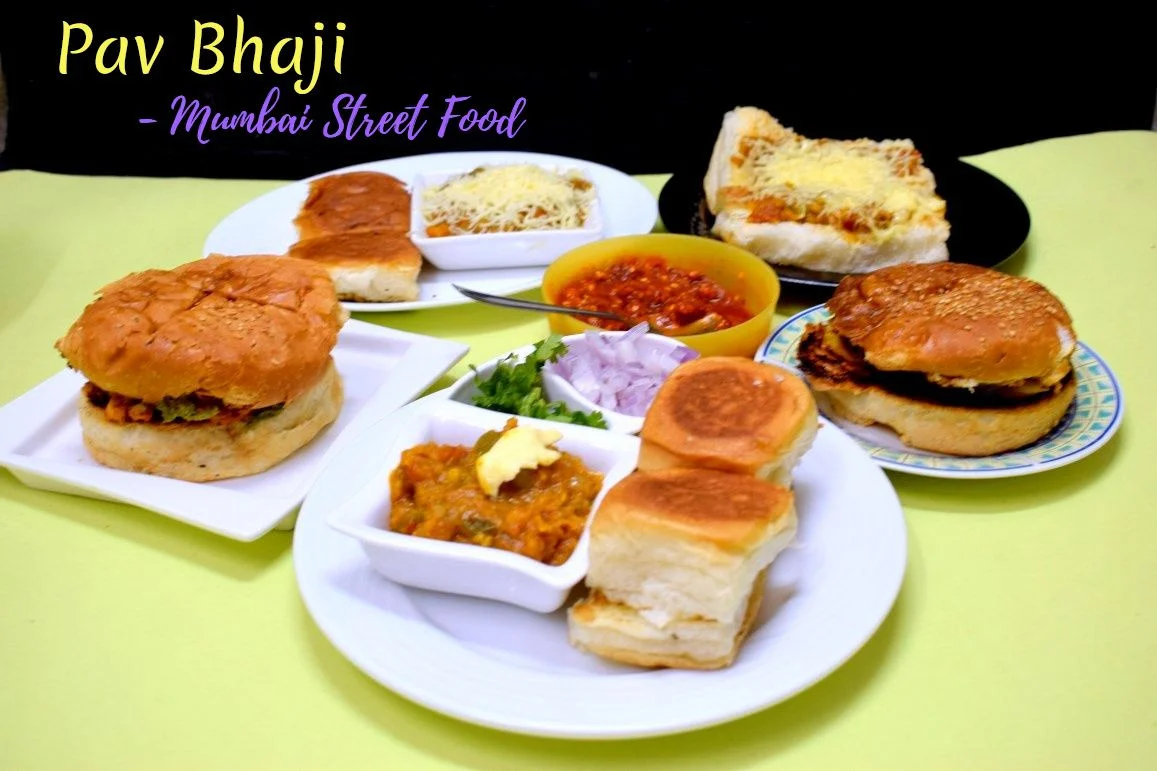
Mumbai pav bhaji is a buttery, spiced vegetable mash served with toasted pav buns. This street-style version is a satisfying meal when you want bold flavours and a warm, shareable dish.
Ingredients
- As requiredPav buns
- 240 ml (1 cup)Onions
- 480 ml (2 cups)Tomatoes
- 120 ml (1/2 cup)Capsicum
- 60 ml (1/4 cup)Peas
- 60 ml (1/4 cup)Carrot
- 6 clovesGarlic
- 2.5 ml (1/2 tsp)Lemon juice
- 3.75 ml (3/4 tsp)Red chilli powder
- 2.5 ml (1/2 tsp)Coriander powder
- 1.25 ml (1/4 tsp)Black salt (kala namak)
- 7.5 ml (1.5 tsp)Pav bhaji masala
- A handfulCoriander leaves
- A pinchTurmeric powder
- As requiredButter
- 10 ml (2 tsp)Cooking oil
- As requiredAmul butter
Instructions
- 1
Boil the vegetables
Prepare the potatoes, carrot and peas, then boil them until soft.
- 2
Chop the vegetables
Finely chop the onions and tomatoes.
- 3
Cook the onions
Heat a non-stick pan with butter. Add the crushed garlic and cook it briefly, then add the onions and cook until browned.
- 4
Add spices
Stir in the finely chopped tomatoes. Once they turn mushy, add all the spice powders.
- 5
Cook the capsicum
Cook over high heat and add the finely chopped capsicum.
- 6
Mash and combine
When everything is cooked, add the mashed vegetables and mix well.
- 7
Bring to boil
Add water as required and bring the bhaji to a boil.
- 8
Add coriander
Sprinkle over the finely chopped coriander leaves.
- 9
Finish with butter
Add Amul butter.
- 10
Toast and serve
Toast the pav with butter and serve it with the bhaji.
What is pav bhaji?
Pav bhaji is a well-known Mumbai street-food dish: a spiced, mashed vegetable curry served with pav, or soft bread rolls. It grew popular as a filling meal sold by street vendors in Maharashtra.
This version builds its flavour from browned onion, softened tomato, garlic and pav bhaji masala, then finishes with coriander and butter. The soft vegetables give the bhaji its characteristic thick, spoonable texture.
Nutrition and macros by portion
The nutrition label shows one serving as written: 340 calories, 8g protein, 52g carbs, 11g fat.
| Portion | Adjustment | kcal | Protein | Carbs | Fat |
|---|---|---|---|---|---|
| Lighter | Less butter, more vegetables | 238 kcal | 6g | 36g | 8g |
| This serving | As written | 340 kcal | 8g | 52g | 11g |
| Hungry | Extra pav and bhaji | 510 kcal | 12g | 78g | 17g |
Potatoes, peas, carrot and pav provide most of the carbohydrates, while butter and cooking oil contribute most of the fat. Peas and the vegetables add some protein, but the overall amount depends on the unspecified potato, pav and butter quantities. For a more balanced plate, serve a moderate amount of pav alongside a generous scoop of bhaji.
Build the flavour base
Onions and garlic: cook them in butter until the onions are browned and the garlic has had a little time to soften. This creates a savoury base for the tomatoes and spices.
Tomatoes and spices: let the tomatoes turn mushy before adding the spice powders. That helps them meld into the mixture rather than remain as separate pieces.
Get the vegetable texture right
Boiled vegetables: the potatoes, carrot and peas need to be soft enough to mash easily. The method does not specify quantities for these vegetables, so use the amounts you have planned for your batch.
Mashing: combine the mash thoroughly with the onion and tomato mixture. Add water as required, a little at a time, until the bhaji is loose enough to boil but still thick.
Cook the capsicum
Add the finely chopped capsicum over high heat, as directed, so it cooks into the mixture without disappearing completely. Stir it through before folding in the mashed vegetables.
Keep an eye on the pan as you cook over high heat, stirring to prevent the bhaji from catching on the bottom.
Finish and season
Pav bhaji masala: this is the defining spice blend in the dish, while chilli powder and turmeric add extra warmth and colour. Black salt contributes a savoury, distinctive note.
Lemon and coriander: the listed lemon juice adds a bright note, and fresh coriander goes in near the end. Taste before serving, bearing in mind that black salt is already included.
Toast the pav
Butter the pav and toast it until the cut sides are crisp and golden. Toast just before serving so the bread stays crisp outside and soft inside.
Serve the rolls alongside the hot bhaji so each person can scoop up the vegetable mixture. The buttery toast contrasts with the soft, spiced mash.
Recipe notes & tips
- Chop the onions and tomatoes finely so they blend smoothly into the bhaji.
- Cook the tomatoes until mushy before adding the spices.
- Mash the boiled vegetables well for a cohesive texture.
- Add water gradually so the bhaji does not become too thin.
- Toast the pav shortly before serving to keep it crisp.
- Use butter as required, adding it carefully to suit your preferred richness.
Variations
- More vegetables: Add extra capsicum or peas while keeping the mixture well mashed.
- Extra heat: Increase the red chilli powder a little at a time.
- Fresh finish: Add a squeeze of lemon at the table for a brighter taste.
- Less rich: Use less butter for cooking and toasting the pav.
- Smoother bhaji: Mash the cooked vegetables more thoroughly before combining them.
Common mistakes to avoid
- Undercooked vegetables: Boil them until soft enough to mash easily.
- Chunky tomato base: Cook the chopped tomatoes until mushy before adding the spices.
- Too much water: Pour it in gradually and stop when the bhaji is thick but spoonable.
- Burnt onion or garlic: Stir as they cook and lower the heat if they brown too quickly.
- Soggy pav: Toast it just before serving rather than letting it sit in the bhaji.
How to store
Refrigerate leftover bhaji in a covered container and use within 3 days. Reheat it in a pan until piping hot, adding a little water if it has thickened; toast fresh pav for serving. Store the pav separately so it does not become soggy.
Frequently asked questions
What does pav bhaji mean?
Pav refers to the bread rolls, and bhaji is the spiced vegetable mixture served with them. The two are usually eaten together.
Can I make the bhaji ahead?
Yes. Prepare the bhaji ahead and refrigerate it, then reheat until piping hot. Toast the pav just before serving.
How thick should the bhaji be?
It should be soft and spoonable, not watery. Add water gradually while bringing it to the boil.
Can I use frozen peas?
Yes. Frozen peas can be used; boil them with the other vegetables until soft enough to mash.
How do I keep the pav crisp?
Toast it in butter just before serving and keep it separate from the bhaji until it is time to eat.
The method mentions potatoes, but how many do I need?
The ingredient list does not give a potato quantity. The method calls for potatoes to be boiled with the carrot and peas, so choose an amount suited to your batch.
Cook it from the original
This recipe comes from spicingyourlife.com. Their page has the author’s own photos, notes and tips — the best place to cook it from.
Open the recipe on spicingyourlife.com