
Pesaha / Indri / Inri Appam and Paal
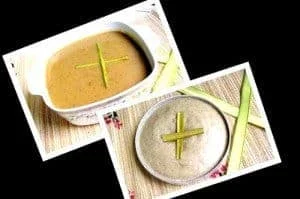
Pesaha appam is a steamed rice-and-coconut cake served with paal, a sweet jaggery and coconut milk sauce. The soft, gently seasoned appam and rich paal are traditionally prepared together for Pesaha, making this a distinctive celebratory dish.
Ingredients
- 1 cup (about 160 g)rice flour
- 1/4 cup (about 50 g)urad dal
- 1 heaped cup (about 90 g)grated coconut
- 1 large clove or 2 small clovesgarlic
- 3–5small onions or shallots
- A pinchcumin seeds
- 1–1.5 cups (240–360 ml)water
- 400 gjaggery
- 3 cups (720 ml)medium-thick coconut milk
- 1 cup (240 ml)thick coconut milk
- To tastesalt
- 1–2 tbsprice flour, for thickening the paal
- A littlewater, for melting the jaggery and mixing the thickener
Instructions
- 1
Soak the dal
Soak the urad dal for 2 hours. Grind it to a smooth paste, adding a little water as needed.
- 2
Grind the coconut
Grind the grated coconut with the garlic, small onions and cumin, using a little water, until combined.
- 3
Cook the rice flour
Bring the water to a boil and add salt. Once bubbles begin to appear, add the rice flour gradually, stirring as you go. Cook it into a soft dough rather than a watery mixture.
- 4
Mix the batter
Stir in the urad dal paste and coconut paste until evenly combined. The mixture should have the consistency of idli batter.
- 5
Prepare the tin
Transfer the batter to a well-greased steaming tin. Place a cross made from palm leaves in the centre of the batter, then cover the tin with aluminium foil.
- 6
Steam the appam
Steam in an appachembu or steamer for 18–23 minutes, keeping the heat at the same level throughout. Let it cool for a while before turning it out on to a serving dish.
- 7
Melt the jaggery
Melt the jaggery with a little water. Once completely dissolved, strain it.
- 8
Add the coconut milk
Add the medium-thick coconut milk and stir continuously. When more than half of it has evaporated, add the thick coconut milk and stir well. Do not let the paal boil after adding the thick coconut milk.
- 9
Thicken the paal
For a thicker sauce, mix 1–2 tablespoons of rice flour with hot water and stir it into the paal. Cook for a few minutes.
What are Pesaha appam and paal?
Pesaha appam, also called Indri or Inri appam, is a steamed rice cake associated with Pesaha, the Kerala Christian observance of Maundy Thursday. It is traditionally served with paal, a sauce made with jaggery and coconut milk.
This version combines rice flour and urad dal with a paste of coconut, garlic, shallots and cumin. Steaming keeps the appam soft, while the sweet paal gives it a rich contrast.
Nutrition and macros by portion
The nutrition label shows one serving as written: 715 calories, 9g protein, 119g carbs, 25g fat.
| Portion | Adjustment | kcal | Protein | Carbs | Fat |
|---|---|---|---|---|---|
| Lighter | Less paal, smaller appam | 500 kcal | 6g | 83g | 18g |
| This serving | As written | 715 kcal | 9g | 119g | 25g |
| Hungry | Larger appam portion | 1073 kcal | 14g | 179g | 38g |
The rice flour and jaggery supply most of the carbohydrates, while the coconut milk and grated coconut contribute much of the fat. Urad dal provides some protein, though the dish is not especially protein-focused; serve a moderate piece with a protein-rich accompaniment if you want a more balanced plate.
The appam batter
Urad dal: Soaking it for 2 hours makes it easier to grind into a smooth paste, which helps bring the batter together.
Coconut paste: Grind the coconut, garlic, shallots and cumin until well combined. A little water helps the ingredients blend without making the mixture too loose.
Rice flour: Add it gradually to the boiling water and stir into a soft dough before adding the pastes. The finished mixture should resemble idli batter, not a thin pourable liquid.
Steaming the appam
Tin and cover: Grease the steaming tin well and cover it with foil so the batter can steam without excess condensation falling into it. The palm-leaf cross is placed in the centre before covering.
Steady heat: Steam for 18–23 minutes and keep the flame at the same level for the whole cooking time. Allow the appam to cool briefly before turning it out.
Getting the paal right
Jaggery: Dissolve it with a little water, then strain the melted mixture before adding coconut milk. Straining removes any solids that remain after melting.
Coconut milk: Stir continuously as the medium-thick milk reduces. Add the thick coconut milk later and do not boil the sauce after that point.
Thickener: If you want a thicker paal, blend 1–2 tablespoons of rice flour with hot water before adding it. Stir it in and cook for a few minutes.
Serving the dish
Cut or break the appam into portions and serve it with paal alongside or poured over the top. The sauce is sweet and rich, so a modest amount can coat each piece while letting the savoury appam remain noticeable.
For a fuller meal, serve it with a fresh, lightly dressed salad or fruit. These bring freshness to the plate without competing with the coconut and jaggery.
Timing and texture cues
Soaking the dal takes 2 hours, and the appam steams for 18–23 minutes; the recipe does not give an overall preparation time. You can prepare the paal while the appam steams, keeping an eye on the sauce as it reduces.
The batter should be soft and similar to idli batter before steaming. For the paal, look for reduced medium-thick coconut milk before adding the thick milk, then keep the sauce below a boil.
Recipe notes & tips
- Soak the urad dal for the full 2 hours so it grinds smoothly.
- Add the rice flour in stages, stirring well to avoid dry pockets.
- Use only enough water to help grind the coconut mixture.
- Grease the steaming tin thoroughly to make turning out the appam easier.
- Keep the steamer heat steady throughout the 18–23 minutes.
- Stir the paal continuously as the medium-thick coconut milk reduces.
Variations
- Smoother paal: Strain the melted jaggery carefully before adding the coconut milk.
- Thicker sauce: Use 1–2 tablespoons of rice flour mixed with hot water as described in the method.
- Milder garlic: Use one large garlic clove rather than two small cloves.
- More coconut flavour: Keep the specified thick coconut milk for the final addition and avoid boiling it.
- Gentler sweetness: Serve a smaller amount of paal with each portion of appam.
Common mistakes to avoid
- Watery dough: Add the rice flour gradually and cook it until the mixture is soft rather than loose.
- Lumpy paste: Grind the soaked dal until smooth before mixing it into the batter.
- Uneven batter: Combine both pastes thoroughly with the rice-flour mixture before steaming.
- Changing the heat: Keep the flame at the same level for the entire steaming time.
- Boiling the final sauce: Do not boil the paal after adding the thick coconut milk.
- Skipping the jaggery straining: Strain it once fully melted, before stirring in the coconut milk.
How to store
Refrigerate the appam and paal separately in covered containers and use within 2–3 days. Reheat the appam by steaming or microwaving gently, and warm the paal over low heat without bringing it to a boil.
Frequently asked questions
Can I make the appam without a steamer?
Use a covered pot with a steaming rack or another suitable steaming setup, keeping the tin above the water. The recipe specifies an appachembu or steamer.
How do I know when the appam is cooked?
Steam it for the stated 18–23 minutes. The recipe does not give a separate doneness test, so keep the heat steady and allow it to cool briefly before turning it out.
Can I use tinned coconut milk?
Yes, provided you can use a thinner portion for the medium-thick milk and a thicker portion for the final addition. Stir the sauce well and do not boil it after adding the thick milk.
Why is my paal too thin?
Continue reducing the medium-thick coconut milk until more than half has evaporated. If it still needs thickening, stir in rice flour mixed with hot water and cook for a few minutes.
Can I prepare the appam in advance?
You can make it ahead and refrigerate it once cooled. Reheat gently before serving, and warm the paal separately.
Cook it from the original
This recipe comes from mariasmenu.com. Their page has the author’s own photos, notes and tips — the best place to cook it from.
Open the recipe on mariasmenu.com