
Cinnamon Roll French Toast
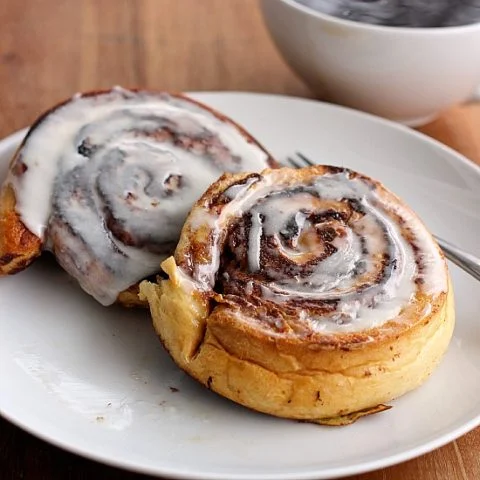
Cinnamon roll French toast turns baked cinnamon rolls into a crisp-edged, eggy breakfast with a soft centre. It is a handy way to give ready-made or homemade rolls a second life, with icing or syrup for serving.
Ingredients
- 1 batchof your favourite cinnamon roll recipe
- 1 canshop-bought cinnamon rolls
- 3eggs, lightly whisked
- 240 ml (1 cup)milk
Instructions
- 1
Bake the rolls
Bake the cinnamon rolls, then leave them to cool for at least 5 minutes.
- 2
Whisk egg mixture
In a shallow dish, whisk together the eggs and milk.
- 3
Flatten the rolls
Use a spatula to press the cinnamon rolls down until flattened.
- 4
Heat the pan
Set a skillet or griddle over medium-low heat and spray it with non-stick spray. Keep the heat modest, as the cinnamon can burn easily.
- 5
Dip each roll
Dip each cinnamon roll into the egg and milk mixture, letting it soak for about 30 seconds on each side.
- 6
Cook until crisp
Cook the rolls for about 2 minutes per side, until each side is a little crisp.
- 7
Add toppings
Serve with cream cheese icing, butter and syrup, or powdered sugar.
What is cinnamon roll French toast?
This is a breakfast made by dipping baked cinnamon rolls in an egg-and-milk mixture and frying them like French toast. It draws on the familiar French toast technique of soaking bread in custard, paired here with the sweet cinnamon filling of cinnamon rolls.
Baking the rolls first gives them enough structure to be flattened and dipped, while gentle pan heat helps the outside turn crisp without scorching the cinnamon.
Nutrition and macros by portion
The nutrition label shows one serving as written: 3450 calories, 75g protein, 470g carbs, 135g fat.
| Portion | Adjustment | kcal | Protein | Carbs | Fat |
|---|---|---|---|---|---|
| Lighter | Use less icing | 2415 kcal | 53g | 329g | 95g |
| This serving | As written | 3450 kcal | 75g | 470g | 135g |
| Hungry | Add another roll | 5175 kcal | 113g | 705g | 203g |
The cinnamon rolls and milk provide most of the carbohydrates, while the eggs contribute protein and some fat; butter and icing or syrup add further fat or sugar if used. Since the recipe does not specify the roll quantity or size, the estimate is highly approximate. Add fruit or plain yoghurt alongside to make the plate more varied.
Choosing the rolls
Homemade or shop-bought: either works, as long as the rolls are baked before dipping. The recipe gives both options but does not specify the size or number of rolls in a batch or can.
Cool briefly: leave the freshly baked rolls for at least 5 minutes. This makes them easier to handle and helps them keep their shape when pressed.
Getting the soak right
Shallow dish: use one wide enough to dip the rolls without forcing them to bend. Whisk the eggs and milk until evenly combined.
Brief soak: give each side about 30 seconds in the mixture. A longer soak may make soft rolls harder to move intact.
Flattening without squashing
Gentle pressure: press each roll with a spatula until it is flatter, rather than crushing it into a thin layer. This gives it more contact with the pan while leaving some softness in the middle.
Handle carefully after dipping, since the egg mixture softens the roll and can make it fragile.
Managing the heat
Medium-low heat: the method specifically calls for a moderate-low setting because the cinnamon can burn. Let the skillet or griddle warm before adding the dipped rolls.
Crisp edges: cook for about 2 minutes on each side, checking for a lightly crisp surface. If the outside darkens too quickly, turn the heat down.
Serving the French toast
Icing or sugar: serve with cream cheese icing, butter and syrup, or a dusting of powdered sugar, as suggested in the method. The rolls are already sweet, so add toppings to suit your taste.
To balance the plate, pair a piece with fresh fruit or plain yoghurt. Serve soon after cooking, while the exterior is still crisp.
Recipe notes & tips
- Use a shallow dish wide enough to dip the rolls comfortably.
- Press the rolls gently so they flatten without breaking apart.
- Keep the cooking surface at medium-low to reduce the risk of burnt cinnamon.
- Soak each side for about 30 seconds, as directed, rather than leaving the rolls in the mixture.
- Cook in batches if needed so each roll has room to brown.
Variations
- Add fruit: serve with sliced berries or banana for a fresh contrast.
- Use a different topping: choose cream cheese icing, syrup, butter or powdered sugar.
- Try a flavoured milk: use a lightly spiced or vanilla-flavoured milk if it suits your rolls.
- Add toasted nuts: scatter chopped nuts over the finished rolls for crunch.
- Serve with yoghurt: add plain yoghurt on the side for a tangy contrast.
Common mistakes to avoid
- Using very high heat: the cinnamon can burn before the outside crisps; keep the skillet at medium-low.
- Skipping the cooling time: hot rolls can be awkward to flatten; let them cool for at least 5 minutes.
- Pressing too hard: crushed rolls may fall apart when dipped; flatten with gentle spatula pressure.
- Soaking too long: very soft rolls can be difficult to handle; stick to about 30 seconds per side.
- Turning too soon: the crust may not have formed; cook each side for about 2 minutes and check for a lightly crisp surface.
How to store
Refrigerate leftover cooked French toast in a covered container and use within 2 days. Reheat in a skillet over low heat or in a moderate oven until warmed through; the surface may be less crisp after storage.
Frequently asked questions
Do I bake the cinnamon rolls before dipping them?
Yes. Bake them first and allow them to cool for at least 5 minutes before flattening and dipping.
How long should I soak each cinnamon roll?
Let each side soak for about 30 seconds in the egg and milk mixture.
Can I use homemade cinnamon rolls?
Yes. The recipe allows either a batch of your favourite homemade cinnamon rolls or a can of shop-bought ones.
How do I stop the cinnamon from burning?
Cook over medium-low heat rather than turning the skillet up too high. Keep an eye on the rolls as they brown.
What can I serve on top?
The method suggests cream cheese icing, butter and syrup, or powdered sugar. You can choose one or combine toppings to taste.
Cook it from the original
This recipe comes from bakerbettie.com. Their page has the author’s own photos, notes and tips — the best place to cook it from.
Open the recipe on bakerbettie.com