
Homemade Italian Cream Bread
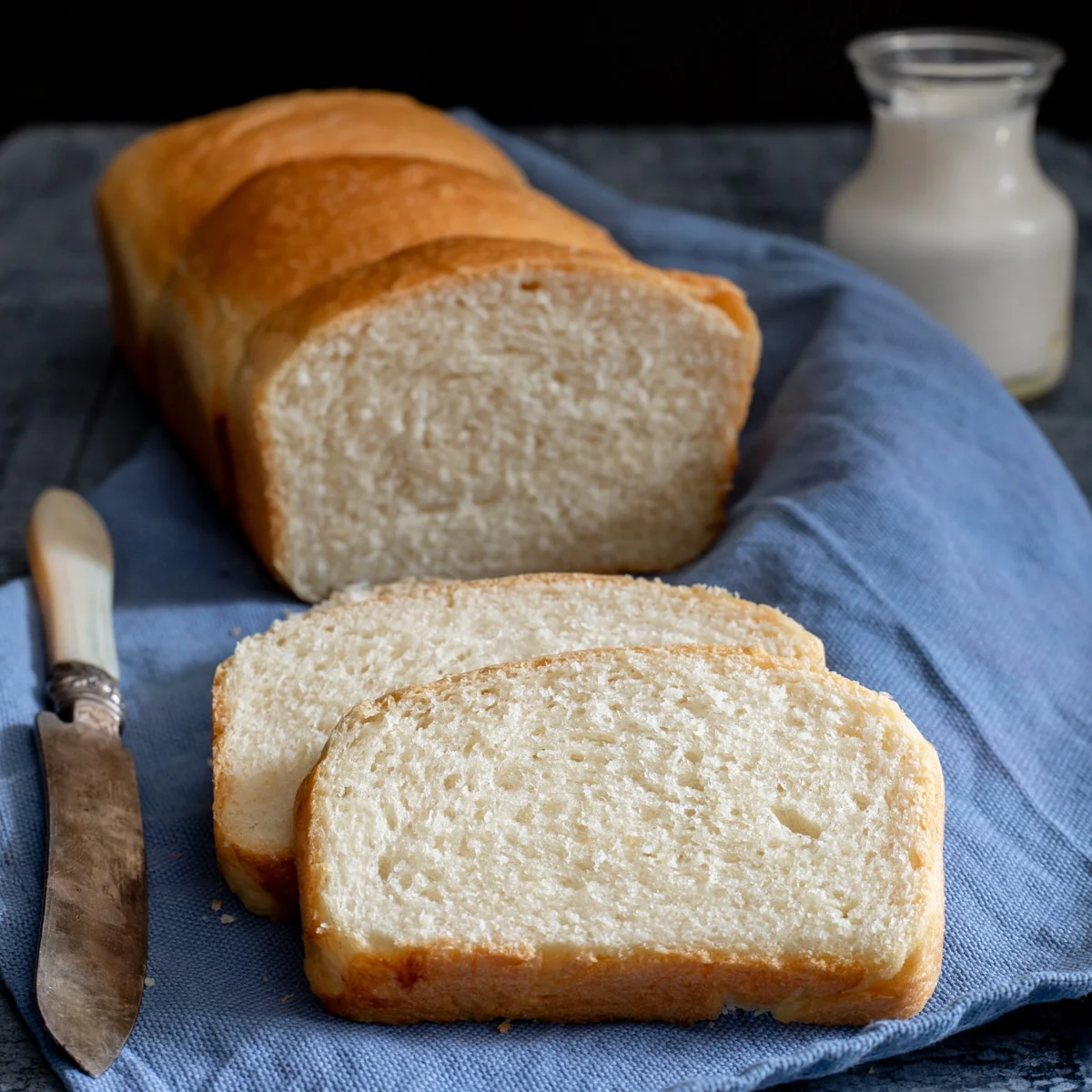
This Italian cream bread is a soft, fluffy loaf enriched with whipping cream for a tender crumb and rich flavour. Make it when you want homemade bread that is lovely served warm or sliced once cool.
Ingredients
- 80 g totalwhole milk, lukewarm (some reserved for brushing)
- 3 teaspoons, dividedgranulated sugar
- 1¼ teaspoonsactive dry yeast
- 160 mlwhole, heavy or whipping cream (at least 30% fat), lukewarm
- Approximately 310 g (2¼ cups + 2½ tablespoons)bread flour or Italian 0 flour
- 1 teaspoonsalt
Instructions
- 1
Activate the yeast
In the stand mixer bowl, combine the milk with 1 teaspoon of the sugar. Sprinkle the yeast over the top and leave for 10 minutes, then stir to combine.
- 2
Knead the dough
Add the cream, remaining sugar and flour. Knead for 2–3 minutes, then add the salt and knead for 10 minutes, until the dough is soft, elastic and compact, with a slight tackiness.
- 3
First rise
Transfer the dough to a flat surface and shape it into a ball. Put it in a lightly greased bowl, cover and leave in a warm, draught-free place until doubled in size, about 2 hours.
- 4
Shape and rise
Move the dough to a lightly floured surface and divide it into 3 even balls, about 180 g each. Place them in a greased or sprayed 20–23 cm loaf tin, cover and leave in a warm, draught-free place until doubled in size, about 1–2 hours.
- 5
Heat the oven
Preheat the oven to 180°C.
- 6
Bake the loaf
Brush the dough with milk and bake for about 30 minutes, or until baked through. Immediately transfer the loaf to a wire rack and leave to cool completely before slicing.
What is Italian cream bread?
Italian cream bread is a soft, enriched loaf made with cream in the dough. This version uses a yeast-raised dough shaped into three balls and baked together in a loaf tin.
The recipe draws on the simple, home-style tradition of Italian breads, while the generous cream gives the crumb a tender, rich character. The two rises help the shaped loaf become light and fluffy.
Nutrition and macros by portion
The nutrition label shows one serving as written: 1659 calories, 37g protein, 236g carbs, 62g fat.
| Portion | Adjustment | kcal | Protein | Carbs | Fat |
|---|---|---|---|---|---|
| Lighter | Smaller bread portion | 1161 kcal | 26g | 165g | 43g |
| This serving | As written | 1659 kcal | 37g | 236g | 62g |
| Hungry | Larger bread portion | 2489 kcal | 56g | 354g | 93g |
The flour supplies most of the carbohydrates, while the cream contributes much of the fat and the milk and flour provide some protein. Serve a slice with eggs or another protein-rich food and fruit or vegetables to make a more rounded plate.
The ingredients that matter
Cream: Use whole, heavy or whipping cream with at least 30% fat. Lukewarm cream blends readily into the dough without being so hot that it harms the yeast.
Flour: Bread flour or Italian 0 flour gives the dough structure for its rise. Add the salt after the first few minutes of kneading, as directed, so it is evenly incorporated.
Getting the dough right
Yeast mixture: Let the yeast sit with the milk and a teaspoon of sugar for 10 minutes before stirring. This gives it time to hydrate; the recipe does not specify a visual test for readiness.
Kneading: First knead the cream, flour and remaining sugar for 2–3 minutes, then add salt and knead for 10 minutes. The finished dough should feel elastic and compact, yet remain a little tacky.
Allow time for both rises
First rise: Keep the covered bowl somewhere warm and free of draughts, and allow about 2 hours for the dough to double. The time can vary with the warmth of the room, so use the increase in size as your cue.
Second rise: After shaping, leave the three dough balls in the tin for about 1–2 hours, until doubled. Avoid relying on the clock alone if the dough needs a little longer.
Shape the loaf
Divide the dough into three even balls, about 180 g each, and arrange them in a greased or sprayed 20–23 cm tin. Keeping them similar in size helps them rise and bake together.
A light coating of flour on the work surface makes shaping easier without adding much extra flour to the dough. Cover the tin during the second rise to keep the surface from drying out.
Check for doneness
Bake at 180°C for about 30 minutes, following the recipe’s cue that the loaf should be baked through. If it needs more time, continue baking until it is done rather than removing it solely because the timer has ended.
Transfer the bread straight to a wire rack after baking and let it cool completely before slicing. Cooling helps the soft interior set and makes neater slices.
Serving and pairing
This bread is especially inviting when served fresh, once it has cooled enough to slice. Try it plain, or serve it with butter or a savoury accompaniment.
For a more balanced plate, pair a slice with eggs or another protein-rich food and some fruit or vegetables. The loaf also works well alongside soup or a salad.
Recipe notes & tips
- Measure the milk carefully and keep it lukewarm rather than hot.
- Use the same type of cream throughout, choosing one with at least 30% fat.
- Keep the dough covered during both rises so its surface does not dry out.
- Use a lightly floured surface when shaping, and avoid working extra flour into the dough.
- Let the loaf cool completely on a wire rack before cutting for cleaner slices.
Variations
- Italian 0 flour: Use it instead of bread flour as the recipe allows.
- Different loaf tin: Use a greased or sprayed tin measuring 20–23 cm.
- Simple toast: Toast leftover slices and serve with butter.
- Savoury pairing: Serve slices alongside soup or salad for a meal.
Common mistakes to avoid
- Hot milk: Excessive heat can harm the yeast; use lukewarm milk.
- Rushing the first rise: Give the dough about 2 hours, and wait until it has doubled.
- Skipping the second rise: Let the shaped dough double in the tin before baking.
- Adding too much flour while shaping: Use only a light dusting so the dough stays soft.
- Slicing while hot: Cool the loaf completely on a wire rack before cutting.
How to store
Once completely cool, store the bread in an airtight container or wrapped at room temperature and use within 2–3 days. Rewarm slices briefly in a toaster or low oven.
Frequently asked questions
Can I use Italian 0 flour instead of bread flour?
Yes. The recipe lists Italian 0 flour as an alternative to bread flour.
How warm should the milk and cream be?
Use them lukewarm, not hot. The recipe does not give a specific temperature.
How do I know when the dough has risen enough?
For each rise, look for the dough to double in size. The stated times are approximately 2 hours for the first rise and 1–2 hours for the second.
Why is the dough a little tacky?
A slight tackiness is expected in this dough. It should also feel soft, elastic and compact after kneading.
Can I slice the loaf while it is warm?
The method calls for cooling it completely on a wire rack before slicing. This helps the soft crumb set.
What tin size should I use?
Use a greased or sprayed loaf tin about 20–23 cm long.
Cook it from the original
This recipe comes from anitalianinmykitchen.com. Their page has the author’s own photos, notes and tips — the best place to cook it from.
Open the recipe on anitalianinmykitchen.com