
Quick Green Pasta Sauce Recipe
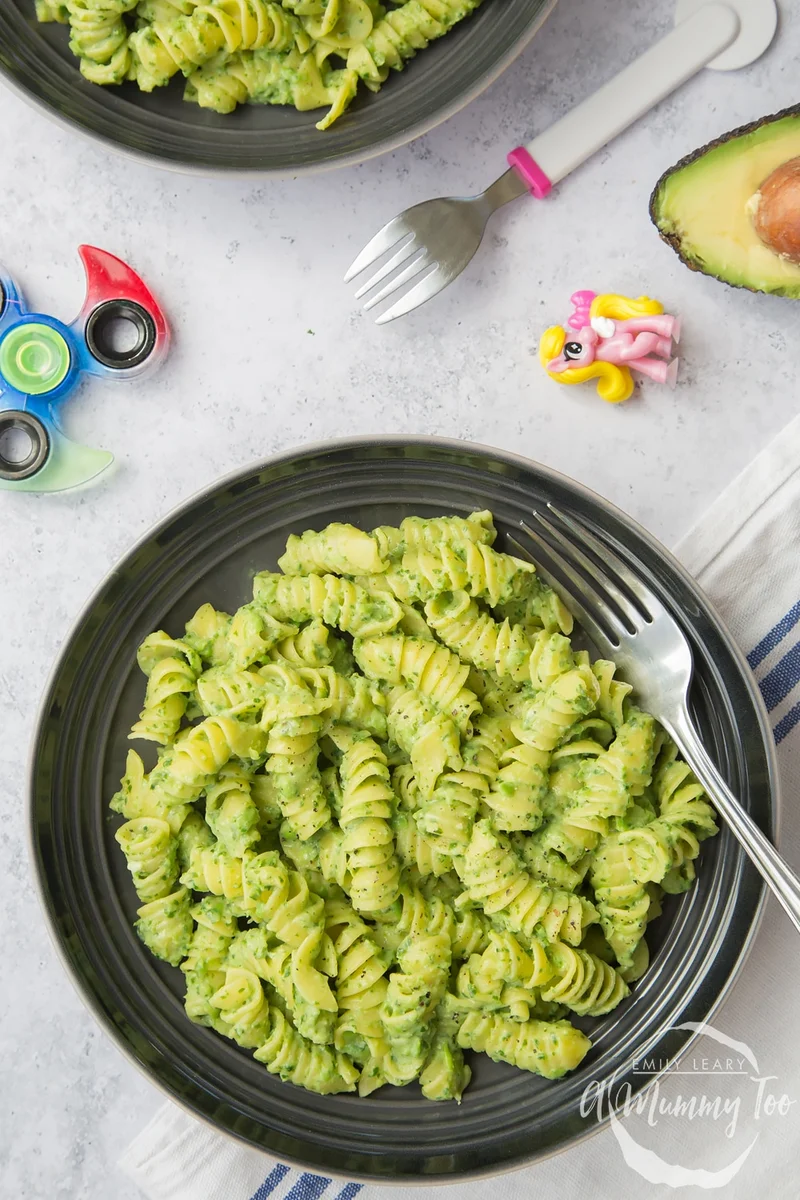
This quick green pasta is coated in a creamy sauce made from avocado, peas, leafy greens, herbs, cheese and milk. It comes together while the pasta cooks, making it a handy midweek meal.
Ingredients
- 300 gpasta
- 1ripe avocado, skin and stone removed
- 100 gfrozen peas
- 1 handfulspinach leaves
- 1 handfulfresh coriander
- 1 handfulfresh parsley
- 60 ml (4 tbsp)vegetarian hard cheese or mature cheddar
- 200 mlwhole milk
- 1 pinchsalt and black pepper
Instructions
- 1
Cook the pasta
Boil the pasta in a large pan of water, following the packet instructions. Drain it and return it to the pan.
- 2
Blend the sauce
While the pasta cooks, blend the avocado, peas, spinach, coriander, parsley, cheese and milk in a blender or food processor.
- 3
Season to taste
Add a pinch of salt and black pepper to the blended sauce.
- 4
Warm with pasta
Pour the sauce over the cooked pasta, stir to coat, then warm it gently over a low heat.
- 5
Serve in bowls
Divide the pasta between bowls and finish with a sprinkle of cheese.
What is green pasta sauce?
This is a quick, creamy pasta sauce with a vivid green colour from peas, spinach and fresh herbs. It is Italian-inspired, but it is not a traditional pesto: avocado and milk give it a softer, creamier texture.
Blending the sauce takes only a few minutes, and making it while the pasta cooks keeps the whole meal quick.
Nutrition and macros by portion
The nutrition label shows one serving as written: 431 calories, 15g protein, 66g carbs, 11g fat.
| Portion | Adjustment | kcal | Protein | Carbs | Fat |
|---|---|---|---|---|---|
| Lighter | Use less cheese | 302 kcal | 11g | 46g | 8g |
| This serving | As written | 431 kcal | 15g | 66g | 11g |
| Hungry | Serve a larger portion | 647 kcal | 23g | 99g | 17g |
The pasta and peas provide most of the carbohydrates, while avocado, milk and cheese contribute much of the fat; the cheese, milk and peas also provide protein. Balance a bowl with salad or extra vegetables alongside.
Why these ingredients work
Avocado: it lends the sauce a smooth, creamy body, while peas add sweetness and spinach deepens the green colour.
Fresh herbs: coriander and parsley bring a bright, aromatic flavour. The cheese adds savouriness, and whole milk helps the ingredients blend into a pourable sauce.
Getting a smooth sauce
Blend the sauce until the peas and leaves are broken down and the mixture looks evenly creamy. If your blender struggles, pause to scrape down the sides before continuing.
Frozen peas go straight into the blender in this method. The gentle warming step later heats the sauce once it is mixed with the pasta.
Coating the pasta
Drain the pasta before returning it to the pan, then add the sauce and stir until the pieces are evenly coated. A low heat warms the mixture without bringing it to a hard boil.
The sauce should cling to the pasta while remaining soft and creamy. Take the pan off the heat once it is warmed through.
Timing and serving
Start the pasta first, then blend the sauce while it cooks. The pasta’s packet timing is the guide for cooking it, so have the blender and sauce ingredients ready to use in the meantime.
Serve straight away, with a little extra cheese if you like. A simple green salad or steamed vegetables make easy accompaniments.
Choosing the cheese
Use vegetarian hard cheese if you want a firm, savoury finish, or mature cheddar for a sharper flavour. Check that the hard cheese is suitable for vegetarians if that matters to you.
The recipe uses the cheese in the sauce and suggests a sprinkle on top, so reserve a little from the measured amount for serving.
Recipe notes & tips
- Have the sauce ingredients ready before the pasta finishes cooking.
- Use a ripe avocado so it blends easily into a smooth sauce.
- Blend thoroughly, stopping to scrape down the sides if needed.
- Warm the sauce gently over low heat rather than letting it boil.
- Reserve a little cheese for the topping before blending the rest.
Variations
- Add lemon: blend in a squeeze of lemon juice for a brighter flavour.
- Use basil: swap some or all of the coriander for fresh basil.
- Try another pasta shape: use short pasta that holds the sauce in its ridges.
- Make it dairy-free: use an unsweetened plant-based milk and a suitable dairy-free cheese.
- Add chilli: blend in a little chilli for a gentle kick.
Common mistakes to avoid
- Using an unripe avocado: it can leave the sauce less creamy, so choose one that yields gently when pressed.
- Skipping the blend: large pieces of leaves and peas can make the sauce uneven, so blend until smooth.
- Boiling the sauce: high heat can make its texture less creamy, so warm it gently.
- Overcooking the pasta: follow the packet timing and check it towards the end so it keeps its shape.
- Adding all the cheese to the blender: reserve a little if you want the suggested topping.
How to store
Refrigerate leftover pasta in a sealed container and use within 2 days. Reheat gently in a pan, stirring frequently; add a small splash of milk if the sauce has thickened.
Frequently asked questions
Can I make the sauce ahead?
It is best blended shortly before serving, as avocado can darken over time. If you do prepare it ahead, cover it closely and refrigerate it until needed.
Do I need to cook the frozen peas first?
The method blends them straight from frozen, then warms the sauce with the pasta. If your blender cannot handle frozen peas, thaw them first.
Can I use a different type of milk?
Whole milk is specified for a creamy result. An unsweetened alternative can be used, though it may change the sauce’s flavour and texture.
Which pasta shapes work best?
Most shapes will work. Short shapes with ridges or curves can hold the creamy sauce particularly well.
How can I make the sauce thinner?
Blend in a little more milk until it reaches the consistency you prefer. Add it gradually so the sauce does not become too runny.
Cook it from the original
This recipe comes from amummytoo.co.uk. Their page has the author’s own photos, notes and tips — the best place to cook it from.
Open the recipe on amummytoo.co.uk