
Baked provolone
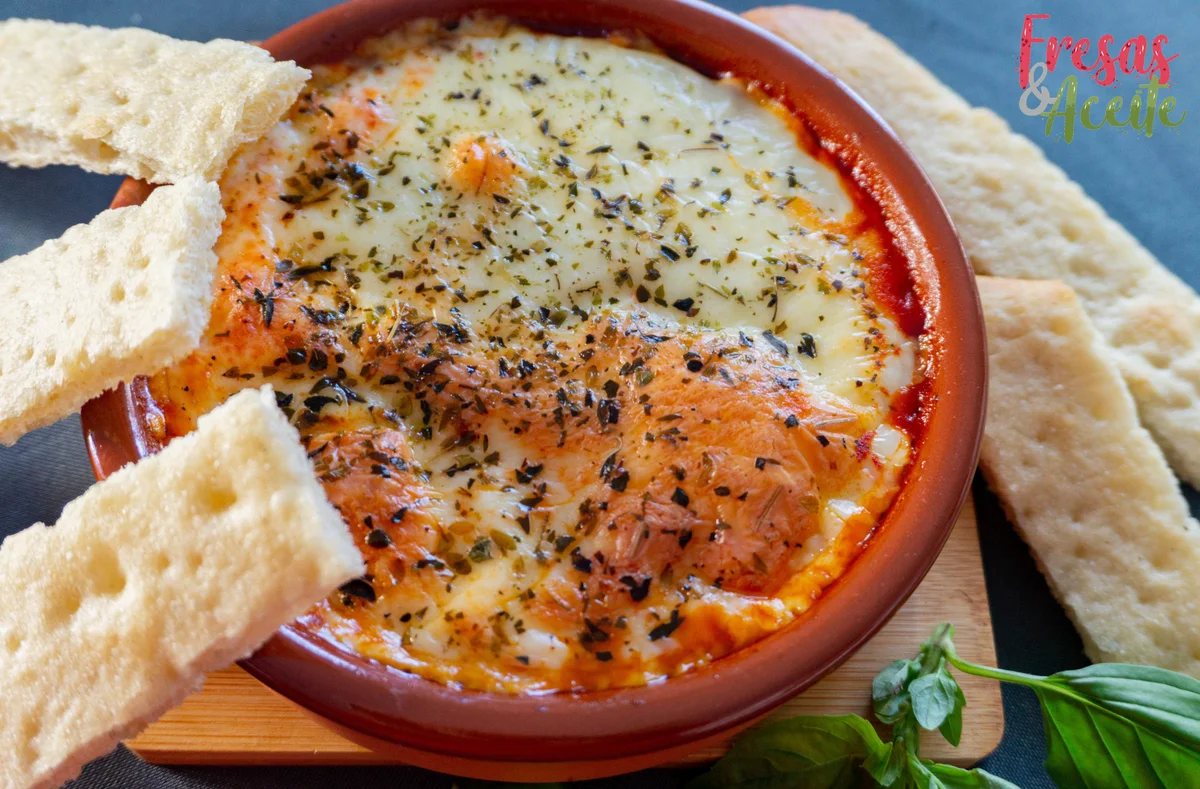
Baked provolone is a simple oven dish of melted cheese over a thick, herby tomato sauce. It makes an easy sharing starter or a warm centrepiece for a relaxed meal.
Ingredients
- 150 gprovolone
- 400 gcrushed tomatoes
- 1 clovegarlic
- 1 smallonion
- to tastefresh basil
- to tasteHerbes de Provence
- to tasteoregano
- 2 tablespoons (30 ml)olive oil
- to tastesalt
- to tasteblack pepper
Instructions
- 1
Reduce the tomatoes
Pour the crushed tomatoes into a saucepan and reduce over medium-high heat until much of the water has evaporated and the sauce has thickened.
- 2
Soften the aromatics
Finely chop the onion and garlic, then soften them over medium heat in a frying pan with 2 tablespoons of olive oil. Wash and chop a few fresh basil leaves.
- 3
Season the sauce
Once the onion and garlic are soft, add the tomato, salt, pepper, Herbes de Provence, oregano and basil. Stir well and cook for a few minutes so the flavours combine.
- 4
Prepare the dish
Preheat the oven to 200°C. Pour the tomato sauce into an ovenproof dish and place the provolone on top.
- 5
Bake the cheese
Put the dish on the middle shelf of the fan oven and bake for a few minutes, until the cheese has melted and is well browned.
What is baked provolone?
Provolone is an Italian cheese, and baking it over tomato sauce gives it a soft, molten texture with a browned top. This version pairs the cheese with a tomato base flavoured with garlic, onion and herbs.
Reducing the tomatoes first helps the sauce stay thick beneath the cheese. Serve it straight from the oven while the provolone is still melted.
Nutrition and macros by portion
The nutrition label shows one serving as written: 225 calories, 10g protein, 6g carbs, 18g fat.
| Portion | Adjustment | kcal | Protein | Carbs | Fat |
|---|---|---|---|---|---|
| Lighter | More tomato, less cheese | 158 kcal | 7g | 4g | 13g |
| This serving | As written | 225 kcal | 10g | 6g | 18g |
| Hungry | Larger portion with bread | 338 kcal | 15g | 9g | 27g |
The provolone supplies most of the protein and fat, while the tomatoes and onion contribute most of the carbohydrates. Olive oil adds further fat, and the exact sodium depends on how much salt you add and the cheese used. Serve a moderate portion with salad or vegetables and bread if you want a more substantial plate.
Build a thicker tomato base
Tomatoes first: simmer the crushed tomatoes until much of their water has evaporated. A thicker sauce is less likely to turn watery in the oven.
Aromatics next: soften the finely chopped onion and garlic in olive oil over medium heat. Keep the heat moderate so they become tender without catching.
Season in layers
Herbs: fresh basil, oregano and Herbes de Provence bring different herbal notes to the tomato. Add them after combining the reduced tomato with the softened onion and garlic.
Salt and pepper: season the sauce before it goes into the oven, then taste it if you can. The provolone is also savoury, so start modestly with the salt.
Look for melted and browned cheese
The recipe gives no exact baking time, so use the visual cues: the provolone should be melted and well browned. Check it after a few minutes rather than relying on a set timer.
The sauce should already be thick before baking; the oven stage is mainly to melt and brown the cheese. Let the dish settle briefly before serving, as the cheese will be very hot.
Serve it while hot
Bread: crusty bread is useful for scooping up the tomato sauce and melted cheese. Put it on the table as soon as the dish comes out of the oven.
A fresh side: a green salad or simply dressed vegetables offer a crisp contrast to the rich, warm cheese. For a fuller meal, serve the provolone alongside vegetables or a simple pasta dish.
Choose the right baking dish
Dish size: use an ovenproof dish that holds the sauce and cheese in a fairly compact layer. A very wide dish can leave the sauce spread thinly.
Oven position: bake on the middle shelf with the fan on, as directed. This gives the cheese a chance to melt and brown without placing it too close to the top of the oven.
Recipe notes & tips
- Reduce the tomatoes until they look noticeably thicker before adding them to the aromatics.
- Chop the onion and garlic finely so they soften evenly.
- Add the herbs to the sauce before baking so their flavour is spread through the dish.
- Use an ovenproof dish that keeps the sauce in a fairly compact layer.
- Watch the provolone closely near the end, as the recipe does not specify an exact baking time.
- Serve promptly while the cheese is still molten.
Variations
- Chilli: add a pinch of chilli flakes to the tomato sauce for gentle heat.
- Extra basil: scatter more freshly chopped basil over the dish just before serving.
- Smoky paprika: stir a little smoked paprika into the sauce for a deeper savoury note.
- Mushrooms: soften sliced mushrooms with the onion and garlic before adding the tomatoes.
- Cheese blend: add a little grated hard cheese on top before baking for a more savoury crust.
Common mistakes to avoid
- Watery sauce: reduce the tomatoes until much of their liquid has evaporated before assembling the dish.
- Burnt garlic: soften it over medium heat and stir it with the onion rather than leaving it unattended.
- Under-seasoned sauce: taste and adjust the salt, pepper and herbs before transferring it to the baking dish.
- Overbaking the cheese: check it after a few minutes and take it out once melted and well browned.
- Using a dish that is too wide: choose one that keeps the sauce and cheese together in a compact layer.
How to store
Refrigerate leftovers in a covered container and eat within 2 days. Reheat in an ovenproof dish at 180°C until hot throughout; the cheese may not return to quite the same texture.
Frequently asked questions
How long should I bake the provolone?
The recipe does not give an exact time; it says to bake for a few minutes. Check it regularly and remove it when the cheese is melted and well browned.
Can I make the tomato sauce ahead?
Yes. Cook and cool the sauce, then refrigerate it in a covered container. Reheat it before assembling the dish so the oven stage can focus on melting and browning the cheese.
What can I use instead of provolone?
Choose a cheese that melts well and can be baked as a piece. The flavour and texture will differ, so check it closely as it melts.
What should I serve with baked provolone?
Crusty bread works well for scooping up the sauce. A green salad or vegetables make a fresh side.
Can I prepare this without a fan oven?
Yes, use a conventional oven at 200°C and watch for the same cues: melted cheese with a browned top. It may take a little longer, so check it frequently.
Cook it from the original
This recipe comes from fresasyaceite.es. Their page has the author’s own photos, notes and tips — the best place to cook it from.
Open the recipe on fresasyaceite.es