
Easy Red Sangria
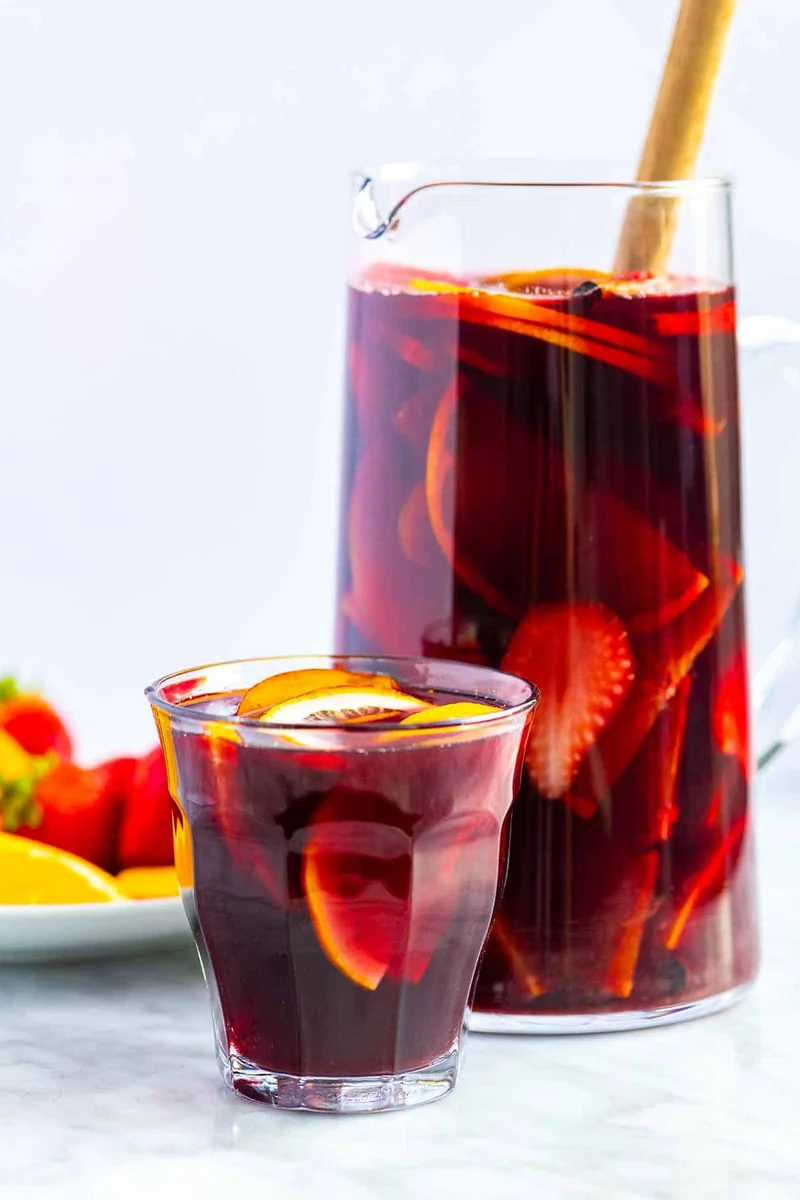
This Spanish-style red sangria combines dry red wine with citrus, seasonal fruit and a touch of sweetness. It takes little hands-on time and can be chilled ahead so the flavours mingle before serving.
Ingredients
- 1 (750 ml) bottledry red wine
- 60 ml (¼ cup)brandy
- 2 mediumoranges
- 1 mediumlemon
- 45–75 ml (3 to 5 tablespoons)brown sugar or sweetener of choice
- 360 ml (1½ cups)sliced seasonal fruit
- 1cinnamon stick
- 1 bottlesparkling water
Instructions
- 1
Combine wine and brandy
Pour the bottle of red wine and the brandy into a tall pitcher.
- 2
Add citrus juice
Juice one orange and half the lemon, then pour the juice into the pitcher. Keep the other orange and the remaining lemon half for later.
- 3
Dissolve the sugar
Add the brown sugar and stir for 15 to 20 seconds, until dissolved. Taste and add more sweetener if needed. If using a liquid sweetener such as maple syrup, start with a little less, taste, then add more as required.
- 4
Add fruit and spice
Thinly slice the remaining orange and lemon half and add them to the pitcher with the seasonal fruit and cinnamon stick.
- 5
Chill to infuse
Stir, cover and chill for at least 30 minutes, or up to a day ahead, so the fruit can infuse the wine.
- 6
Serve chilled
Serve cold, with or without ice. For a sparkling version, finish each serving with a splash of chilled sparkling water.
What is red sangria?
Sangria is a Spanish wine punch served with fruit, and recipes vary from household to household. This version pairs dry red wine with orange, lemon, seasonal fruit and optional brandy.
The fruit infuses the wine as it chills, while a little sugar rounds out the citrus. Adding sparkling water just before serving gives it a lighter, fizzy finish.
Nutrition and macros by portion
The nutrition label shows one serving as written: 201 calories, 1g protein, 17g carbs, 0g fat.
| Portion | Adjustment | kcal | Protein | Carbs | Fat |
|---|---|---|---|---|---|
| Lighter | Use less sugar | 141 kcal | 1g | 12g | 0g |
| This serving | As written | 201 kcal | 1g | 17g | 0g |
| Hungry | Serve with savoury bites | 302 kcal | 1g | 25g | 0g |
Most of the carbohydrates come from the wine, fruit and added sugar, while the wine and optional brandy provide most of the alcohol-derived energy. The fruit contributes a little protein, and fat is very low. Pair a glass with a meal or savoury snacks, and add sparkling water to the drink if you want a longer, less concentrated pour.
Choosing the wine and fruit
Dry red wine: choose a bottle you enjoy drinking, as its flavour remains central in the pitcher. A dry style also leaves room to adjust the sweetness yourself.
Seasonal fruit: use ripe fruit that holds its shape when sliced. The recipe leaves the choice open, so you can make use of what is in season.
Juice first, slice second
Fresh juice: juicing one orange and half the lemon gives the wine citrus flavour throughout. Keep the other halves for thin slices, which add colour and make the pitcher inviting.
Thin slices: cut the reserved citrus finely so it is easy to serve and releases flavour during chilling. Add it with the other fruit and cinnamon stick.
Adjusting the sweetness
Dissolve fully: stir the brown sugar into the wine for 15 to 20 seconds before judging the balance. Undissolved sugar can settle at the bottom of the pitcher.
Taste gradually: start at the lower end of the 3 to 5 tablespoons range, then add more if you prefer a sweeter drink. Liquid sweeteners can be added sparingly, a little at a time.
Chilling and serving
Infusion time: chill the covered pitcher for at least 30 minutes, or prepare it up to a day ahead. This gives the fruit time to flavour the wine.
Bubbles last: keep the sparkling water chilled and add a splash when serving rather than mixing it into the pitcher in advance. Serve over ice if you like.
What to serve with sangria
Savoury bites: serve it with olives, almonds, cheese or small plates for a relaxed gathering. The citrus and fruit also suit grilled vegetables and other informal dishes.
Keep it cold: set the pitcher out shortly before serving and return it to the fridge between pours. Offer sparkling water on the side so everyone can choose whether to add it.
Recipe notes & tips
- Use a tall pitcher with enough room to stir the fruit through the wine.
- Taste after the sugar has dissolved before adding more.
- Slice the reserved citrus thinly so it is easy to serve.
- Chill the sparkling water before using it as a finishing splash.
- Add ice to glasses rather than the pitcher if you want to avoid diluting the whole batch.
Variations
- Skip the brandy: leave it out for a simpler wine-and-fruit version.
- Change the fruit: use other sliced seasonal fruit that holds its shape.
- Use another sweetener: replace the brown sugar with a sweetener of your choice and adjust to taste.
- Make it sparkling: top each glass with chilled sparkling water just before serving.
- Add cinnamon: keep the cinnamon stick in the pitcher while the sangria chills for a warm spice note.
Common mistakes to avoid
- Adding all the sweetener at once: begin with less, dissolve it, then taste and adjust.
- Leaving sugar undissolved: stir for 15 to 20 seconds before adding the fruit.
- Skipping the chill: give the mixture at least 30 minutes for the fruit to infuse the wine.
- Adding sparkling water too early: pour it in at serving time so the drink stays fizzy.
- Using thick citrus slices: slice the reserved fruit thinly for easier serving.
How to store
Cover and refrigerate the sangria for up to a day before serving, as described in the method. Keep leftovers covered and chilled, and add sparkling water only to individual servings; the fruit will soften as it sits.
Frequently asked questions
Can I make this sangria ahead?
Yes. Cover and chill it for at least 30 minutes and up to a day ahead so the fruit can infuse the wine.
Is the brandy essential?
No. It is optional, so you can leave it out and make the sangria with wine, citrus, fruit and the other ingredients.
How sweet should I make it?
Start with 3 tablespoons of brown sugar, dissolve it, then taste. Add more up to 5 tablespoons if you prefer a sweeter drink.
When should I add the sparkling water?
Add a splash to each serving just before drinking. This keeps the sparkling water chilled and fizzy.
Should I serve it over ice?
Either way works: the recipe can be served chilled with or without ice. Ice in individual glasses helps keep the pitcher from becoming diluted.
What seasonal fruit can I use?
Choose sliced fruit that is ripe but firm enough to hold its shape in the pitcher. The recipe does not specify a particular type.
Cook it from the original
This recipe comes from Inspired Taste. Their page has the author’s own photos, notes and tips — the best place to cook it from.
Open the recipe on inspiredtaste.net