
Moro de Guandules [Video+Recipe] Rice with Pigeon Peas
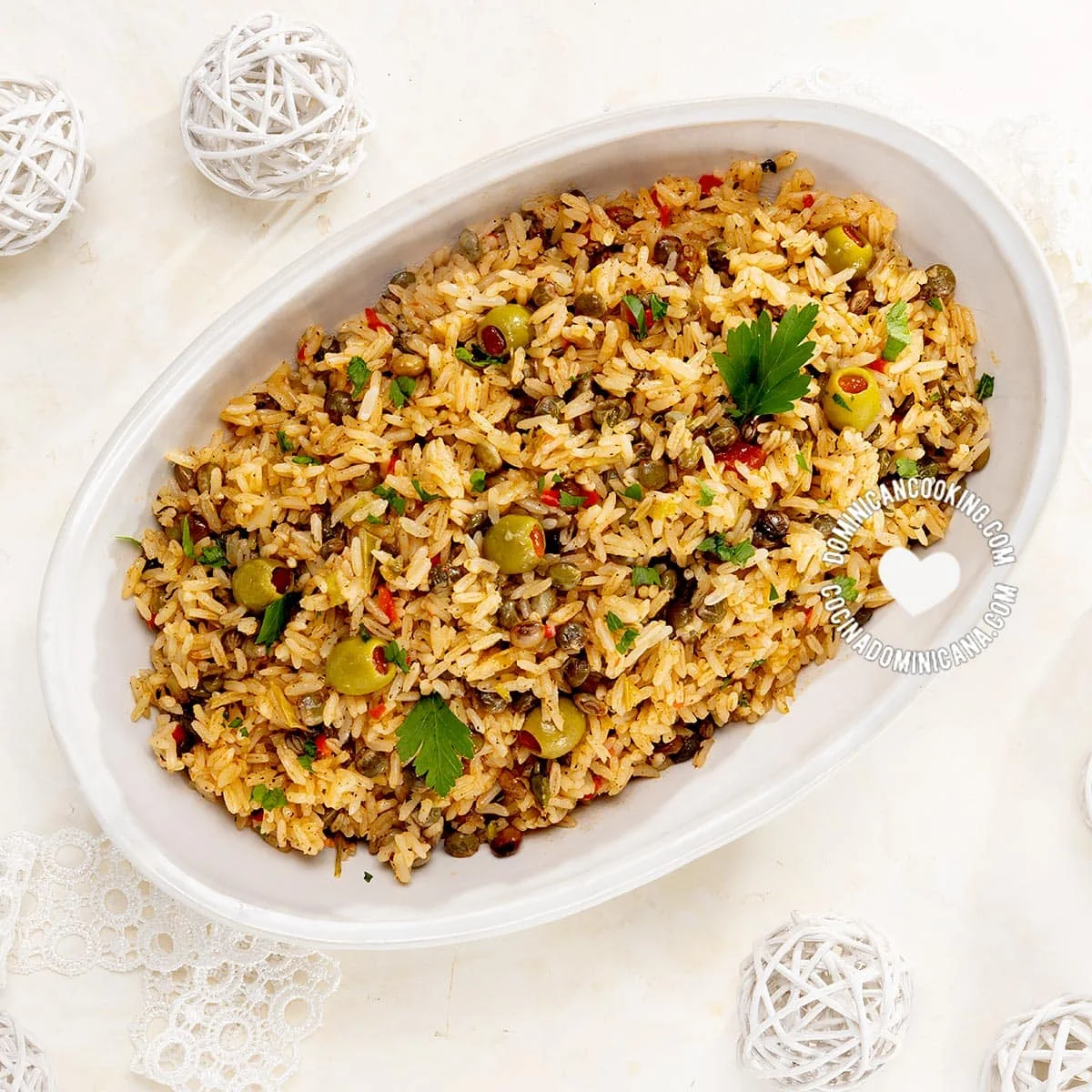
Moro de guandules is a Dominican one-pot rice dish cooked with pigeon peas, herbs and coconut milk. This version makes a generous, aromatic meal for a special occasion or an everyday dinner.
Ingredients
- 30 ml (2 tablespoons), dividedolive oil
- 5 ml (1 teaspoon), plus extra for garnishchopped coriander (or parsley)
- about 30 g (¼ cup)chopped celery (optional)
- about 30 ml (⅛ cup)capers (optional)
- 1 tablespoonmashed garlic
- 12, halvedpitted green olives (optional)
- about 30 g (¼ cup; approximately 1 pepper)chopped Cubanelle pepper
- 1dried, ground oregano
- 10 ml (2 teaspoons)salt
- 3 cupspigeon peas (boiled or canned)
- 120 ml (½ cup)tomato sauce
- 480 ml (2 cups)coconut milk, broth or water
- 4 cupsmedium-grain rice, such as Carolina or Canilla
Instructions
- 1
Cook the vegetables
Heat 1 tablespoon of the oil in a 6-litre iron pot. Add the coriander, celery, capers, garlic, olives, pepper, oregano and salt. Cook, stirring, for 1 minute, then add the pigeon peas and stir.
- 2
Cook the rice
Once the vegetables are heated through, add 2 cups of water, the tomato sauce and coconut milk, and bring to the boil. Stir in the rice and simmer over medium heat, stirring regularly and scraping as much rice as possible from the bottom of the pot. When the water has evaporated, cover with a tight-fitting lid and cook over very low heat for 15 minutes. Uncover and stir in the remaining oil, bringing rice from the bottom up to the top so it cooks evenly. Cover again and simmer for 5 minutes.
- 3
Check the rice
Uncover and taste the rice. It should be firm but tender inside. If needed, cover and cook for another 5 minutes over very low heat.
- 4
Garnish and serve
Take the pot off the heat and serve the rice garnished with coriander or parsley.
What is moro de guandules?
Moro de guandules is a Dominican dish of rice cooked together with pigeon peas, seasoning and liquid. Moro-style rice dishes are part of the wider Caribbean tradition of cooking rice and pulses in one pot.
Coconut milk gives this version a richer, gently sweet flavour, while the herbs, garlic, olives and pepper bring savoury depth. The result is a substantial dish that works as a centrepiece or as a side.
Nutrition and macros by portion
The nutrition label shows one serving as written: 762 calories, 17g protein, 122g carbs, 23g fat.
| Portion | Adjustment | kcal | Protein | Carbs | Fat |
|---|---|---|---|---|---|
| Lighter | Use broth instead of coconut milk | 533 kcal | 12g | 85g | 16g |
| This serving | As written | 762 kcal | 17g | 122g | 23g |
| Hungry | Serve a larger portion | 1143 kcal | 26g | 183g | 35g |
The rice supplies most of the carbohydrates, while the coconut milk and olive oil contribute much of the fat. Pigeon peas add protein as well as some carbohydrates. Serve a portion with vegetables or salad for a more balanced plate.
Build the flavour base
Seasonings first: Briefly cooking the coriander, celery, capers, garlic, olives, pepper, oregano and salt in oil helps their flavours mingle before the rice goes in.
Pigeon peas: Boiled or canned peas can both be used. Add them after the seasonings and stir so they are warmed through and distributed in the pot.
Choose the cooking liquid
Coconut milk: This gives the rice a creamy texture and coconut flavour. Broth or water can be used instead for a less rich, more savoury or neutral result.
Water: The method also calls for 2 cups of water alongside the tomato sauce and coconut milk. Keep to the stated amounts and bring the mixture to the boil before adding the rice.
Manage the rice carefully
While uncovered: Stir regularly as the rice simmers over medium heat, scraping the bottom to loosen grains that begin to stick.
Once covered: When the liquid has evaporated, lower the heat right down and use a tight-fitting lid. This lets the rice finish cooking in the trapped steam rather than scorching underneath.
Check texture and doneness
The rice should be firm but tender inside when tasted. If the centre is still too firm, cover the pot and give it another 5 minutes over very low heat.
After the first covered cook, stir the remaining oil through and bring rice from the bottom to the top. This redistributes the grains before the final 5-minute simmer.
Serve it as a meal
Serve the moro hot with coriander or parsley scattered over the top. It can stand on its own or accompany a simple salad or cooked vegetables for a varied plate.
If serving it alongside other dishes, keep their seasoning in mind: the rice already contains salt, olives and capers, so a fresh, lightly dressed side provides contrast.
Recipe notes & tips
- Use a heavy-based pot to help distribute the heat evenly.
- Rinse the rice if that is your usual practice, then drain it well before adding it.
- Stir and scrape the base regularly while the pot is uncovered.
- Keep the heat very low once the pot is covered.
- Taste a few grains from the centre when checking for doneness.
- Garnish with fresh coriander or parsley just before serving.
Variations
- Skip the coconut: Use broth or water in place of coconut milk for a less rich version.
- Leave out optional extras: Omit the celery, capers or olives if you prefer a simpler seasoning.
- Use parsley: Swap the coriander for parsley in the rice and as a garnish.
- Adjust the pepper: Use more or less Cubanelle pepper to suit your preferred flavour.
- Choose canned peas: Drain and use canned pigeon peas in place of boiled ones.
Common mistakes to avoid
- High heat under the lid: The base can scorch; keep the covered rice over very low heat.
- Skipping the stirring: Rice can stick while the pot is uncovered; stir regularly and scrape the bottom.
- Lifting the lid too soon: Steam escapes; leave the pot covered for the stated cooking time.
- Adding rice before boiling: The method calls for bringing the liquid to the boil first; add the rice once it is bubbling.
- Stopping while the centre is hard: Cover and cook for another 5 minutes over very low heat.
How to store
Cool leftovers promptly and refrigerate in a covered container for up to 3 days. Reheat until steaming hot, adding a small splash of water if the rice seems dry.
Frequently asked questions
Can I use canned pigeon peas?
Yes. The recipe allows boiled or canned pigeon peas; drain canned peas before adding them.
Can I make it without coconut milk?
Yes. Use broth or water instead, as suggested in the ingredients. The dish will have a less creamy, less coconut-forward flavour.
What type of rice works best?
The recipe specifies medium-grain rice, such as Carolina or Canilla.
How do I know when the rice is done?
Taste a grain: it should be firm but tender inside. If it is still too firm, cover the pot and cook for another 5 minutes over very low heat.
Why is the rice sticking to the bottom?
Some sticking can happen as the uncovered rice simmers. Stir regularly and scrape the bottom; once the liquid evaporates, reduce the heat to very low.
Can I leave out the olives, capers or celery?
Yes. They are marked optional, so you can omit any of them to suit your taste.
Cook it from the original
This recipe comes from dominicancooking.com. Their page has the author’s own photos, notes and tips — the best place to cook it from.
Open the recipe on dominicancooking.com