
Dulce de Coco Horneado [Video+Recipe] Flourless Coconut Cake
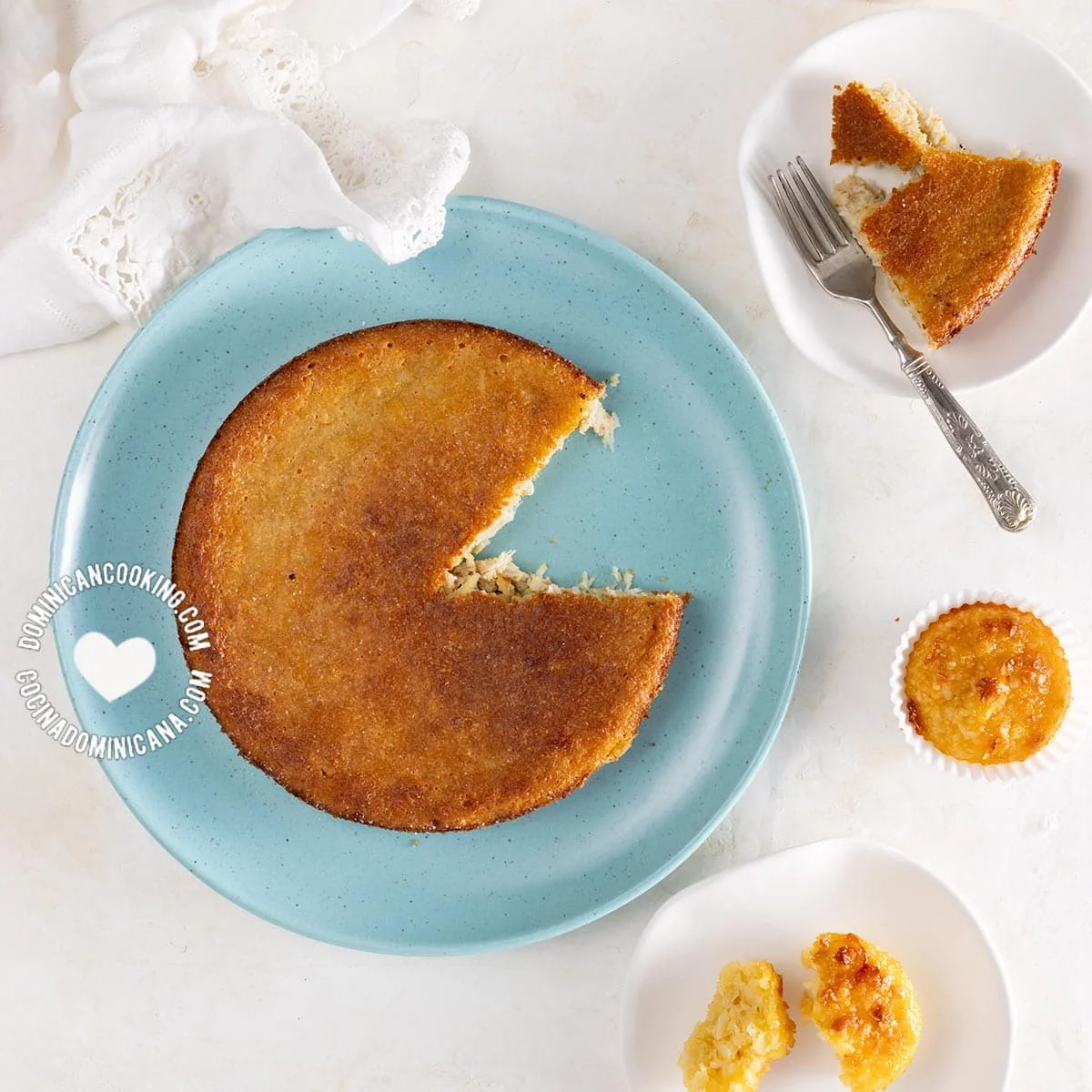
Dominican dulce de coco horneado is a flourless coconut cake with a soft, fudgy centre and a lightly golden top. Coconut, cinnamon and vanilla give it a gently spiced, tropical flavour, and the batter comes together without flour.
Ingredients
- 175 g (1½ cups)freshly grated coconut; or 1½ cups dried coconut plus 120 ml coconut milk
- 140 g (1¼ cups)powdered white sugar
- 355 ml (2 cups)whole milk
- 2cinnamon sticks
- ¼ teaspoonsalt
- 1 tablespoonvanilla extract
- 2 mediumeggs
Instructions
- 1
Prepare the coconut
If using dried coconut, stir it together with the coconut milk and leave to soak for 1 hour. Heat the oven to 176°C (350°F). For one cake, line a 15 cm (6-inch) baking tin with baking parchment.
- 2
Cook the mixture
Put the coconut, sugar, milk, cinnamon sticks and salt in a small saucepan and stir. Cook over low heat, stirring occasionally, until the liquid has reduced to a paste-like fudge. Take the pan off the heat and leave the mixture to cool to room temperature.
- 3
Fill the moulds
Once the mixture is cool, add the vanilla and eggs. Fold with a spatula until combined, then divide the batter evenly between 8 silicone baking moulds or pour it into the lined tin.
- 4
Bake and cool
Bake in the preheated oven for 30 minutes, or until golden. Remove from the oven and cool to room temperature before taking the cakes out of their moulds.
What is dulce de coco horneado?
Dulce de coco horneado is a Dominican baked coconut sweet, made here as a flourless cake. Coconut is cooked down with milk, sugar and cinnamon before eggs are folded in and the mixture is baked.
The method builds flavour and a dense, fudge-like texture before the batter goes into the oven. Vanilla adds a fragrant finish, while the browned top gives a little contrast to the soft centre.
Nutrition and macros by portion
The nutrition label shows one serving as written: 314 calories, 6g protein, 34g carbs, 18g fat.
| Portion | Adjustment | kcal | Protein | Carbs | Fat |
|---|---|---|---|---|---|
| Lighter | Smaller cake portion | 220 kcal | 4g | 24g | 13g |
| This serving | As written | 314 kcal | 6g | 34g | 18g |
| Hungry | Larger cake portion | 471 kcal | 9g | 51g | 27g |
Most of the carbohydrates come from the sugar and coconut, while the coconut contributes much of the fat. The milk and eggs provide protein, with the eggs also adding fat. Serve a piece with fresh fruit for a more balanced plate.
Choosing the coconut
Fresh coconut: freshly grated coconut brings a moist, distinct coconut flavour. The recipe also gives a dried-coconut option, soaked in coconut milk for an hour before cooking.
Dried coconut: allow the full soaking time so it can take up some of the coconut milk. Use the same coconut mixture in the saucepan as directed.
Reducing the mixture
Low heat: cook the coconut, sugar, milk, cinnamon and salt gently, stirring occasionally. The aim is to reduce the liquid until the mixture resembles a thick paste or soft fudge.
Cooling: let the cooked mixture reach room temperature before adding the eggs. This helps the eggs fold into the coconut mixture rather than setting immediately from the residual heat.
Getting the texture right
Before baking: fold in the eggs and vanilla with a spatula until evenly mixed, without leaving streaks of egg. Divide the batter evenly between the moulds, or use the lined tin for one cake.
After baking: look for a golden surface after 30 minutes. The recipe calls for cooling the cake completely before unmoulding, which gives the soft mixture time to firm up.
Choosing a baking shape
Individual cakes: the recipe suggests 8 silicone baking moulds, filled with equal amounts of batter. Individual portions are easy to serve once cooled.
One cake: a lined 15 cm (6-inch) tin makes a single cake-sized dulce de coco horneado. Keep the same oven temperature and use the stated golden-colour cue.
Serving the cake
Serve the cakes at room temperature so their coconut and cinnamon flavours come through. Their sweet, rich texture works well alongside fresh fruit or a cup of unsweetened tea or coffee.
For a simple finish, serve the individual cakes as they are. If baking one cake, let it cool fully before slicing.
Recipe notes & tips
- Stir the dried coconut and coconut milk together and leave them for the full hour before cooking.
- Use low heat and stir occasionally as the mixture reduces to help it cook evenly.
- Wait until the coconut mixture is at room temperature before folding in the eggs.
- Divide the batter evenly between the 8 moulds for consistent portions.
- Cool the baked cakes fully before removing them from silicone moulds.
Variations
- Use the dried-coconut option: soak 1½ cups dried coconut with 120 ml coconut milk for 1 hour.
- Bake one cake: pour the batter into a parchment-lined 15 cm (6-inch) tin instead of individual moulds.
- Emphasise the cinnamon: leave the two cinnamon sticks in the mixture while it reduces, then remove them before adding the eggs.
- Serve with fruit: add fresh fruit on the side for a bright contrast to the sweet coconut cake.
Common mistakes to avoid
- Skipping the soak: dried coconut may remain firm, so leave it with the coconut milk for 1 hour.
- Using high heat: the mixture can reduce unevenly, so keep the pan over low heat and stir occasionally.
- Adding eggs too soon: hot coconut mixture can start setting them, so cool it to room temperature first.
- Removing the cakes while hot: the soft cakes may break, so let them cool completely before unmoulding.
- Guessing the finish: bake for 30 minutes and check for a golden colour rather than relying on a darker crust.
How to store
Store cooled cakes in an airtight container in the fridge and eat within 3–4 days. Bring them towards room temperature before serving, or warm briefly in a low oven.
Frequently asked questions
Can I use dried coconut instead of fresh?
Yes. Mix the dried coconut with 120 ml coconut milk and leave it to soak for 1 hour before cooking.
Can I bake this as one cake?
Yes. Line a 15 cm (6-inch) baking tin with parchment paper and use it instead of the 8 silicone moulds.
How do I know when the mixture has reduced enough?
It should be thick and paste-like, with the liquid reduced to a fudge-like mixture. The recipe does not specify a cooking time for this stage.
Why does the coconut mixture need to cool before adding the eggs?
Cooling it to room temperature helps the eggs combine smoothly without setting from the heat.
How do I know when the cakes are baked?
Bake for 30 minutes at 176°C and look for a golden colour. Cool them to room temperature before unmoulding.
Can I make the mixture ahead?
You can prepare the coconut mixture ahead and chill it once it has cooled. Bring it back to room temperature before folding in the vanilla and eggs.
Cook it from the original
This recipe comes from dominicancooking.com. Their page has the author’s own photos, notes and tips — the best place to cook it from.
Open the recipe on dominicancooking.com