
How to butterfly and brine a whole chicken
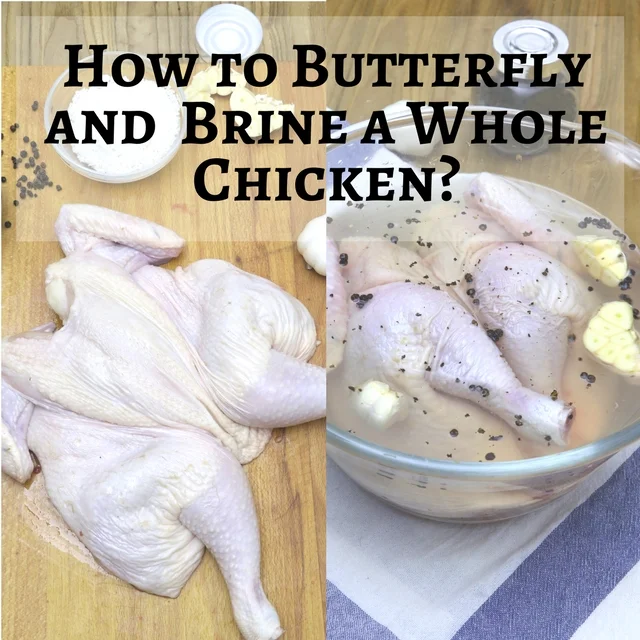
A whole chicken is soaked in a salty, garlicky soy brine before roasting or broiling. Brining takes little hands-on time and seasons the meat throughout, though the method provided does not include instructions for butterflying the chicken.
Ingredients
- 75 ml (5 tablespoons)kosher or table salt
- 946 ml (4 cups)water
- 1 head, cut across in halfgarlic
- 15 ml (1 tablespoon)peppercorns
- 1.59 kg (3½ pounds)chicken
- 30 ml (⅛ cup)sugar
- 60 ml (¼ cup)soy sauce
Instructions
- 1
Dissolve the brine
Add the salt, soy sauce and sugar to the water in a bowl. Stir until the salt and sugar have dissolved.
- 2
Add the chicken
Put the chicken in a large bowl or container, then add the halved garlic and peppercorns.
- 3
Cover with brine
Pour the brine over the chicken until it is completely submerged.
- 4
Chill overnight
Cover the bowl or container with cling film and refrigerate overnight.
- 5
Dry the chicken
When ready to roast or broil, lift the chicken out of the brine and discard the liquid. Pat the chicken dry.
What is brined chicken?
Brining is a traditional way to season poultry by soaking it in a salt solution before cooking. This American-style version adds sugar, soy sauce, garlic and peppercorns for a savoury, aromatic brine.
The recipe description also mentions butterflying, or spatchcocking, but the method supplied here covers brining only. It does not give instructions for removing the backbone or flattening the chicken.
Nutrition and macros by portion
The nutrition label shows one serving as written: 3611 calories, 304g protein, 43g carbs, 239g fat.
| Portion | Adjustment | kcal | Protein | Carbs | Fat |
|---|---|---|---|---|---|
| Lighter | Serve with extra vegetables | 2528 kcal | 213g | 30g | 167g |
| This serving | As written | 3611 kcal | 304g | 43g | 239g |
| Hungry | Add potatoes or rice | 5417 kcal | 456g | 65g | 359g |
The chicken supplies most of the protein and fat, while the sugar contributes carbohydrates; the brine ingredients also add sodium. Pair a portion with vegetables and, if wanted, a measured serving of potatoes or another starch for a balanced plate.
The brine ingredients
Salt and water: these form the base of the brine, so dissolve the salt thoroughly before adding the chicken.
Sugar and soy: sugar rounds out the salty flavour, while soy sauce contributes savouriness. Both are mixed into the water at the start.
Garlic and peppercorns: the halved garlic and whole peppercorns go into the container with the chicken, where they add flavour as it chills.
Submerge the chicken fully
Full coverage: arrange the chicken in a suitably large container and pour in enough brine to cover it. The recipe calls for the chicken to be completely submerged.
Keep it chilled: cover the container and leave it in the fridge overnight, as directed. Choose a container that fits in the fridge and can hold the chicken and liquid without spilling.
Dry before roasting
After brining: remove the chicken and discard the brine rather than using it as a sauce. Pat the surface dry before roasting or broiling, as the recipe directs.
Butterflying: flattening a chicken can help it cook more evenly, but this recipe gives no steps for doing so. Use a separate, reliable spatchcocking method if you want to butterfly it.
Allow time for chilling
Hands-on time: the listed total time is 10 minutes, which reflects the brief preparation rather than the full wait. The chicken also needs to brine overnight in the refrigerator.
Cooking time: roasting or broiling is not included in the supplied method, so follow a suitable cooking recipe for the chicken and check that it is fully cooked before serving.
Serving ideas
Fresh sides: serve the cooked chicken with a green salad or steamed vegetables to add freshness alongside its rich, savoury flavour.
Hearty sides: potatoes, rice or bread make a more substantial plate and can soak up the chicken's juices. The recipe does not specify a particular accompaniment.
Recipe notes & tips
- Use a container large enough to hold the chicken and brine without overflowing.
- Stir the brine until the salt and sugar dissolve before adding the chicken.
- Make sure the chicken is fully covered by the brine.
- Keep the covered chicken refrigerated throughout the overnight brining period.
- Discard the used brine and pat the chicken dry before cooking.
Variations
- Citrus: Add lemon or orange peel to the container for a bright aroma.
- Herbs: Add a few sprigs of thyme or rosemary alongside the garlic.
- Chilli: Include dried chilli flakes with the peppercorns for gentle heat.
- Less soy: Replace some soy sauce with water for a milder soy flavour.
- Pepper blend: Use a mix of black and pink peppercorns for a different aromatic note.
Common mistakes to avoid
- Undissolved salt: Stir the brine until the salt and sugar have fully dissolved before adding the chicken.
- Partly submerged chicken: Use a container that lets the brine cover the whole bird.
- Leaving it unrefrigerated: Cover the container and keep it in the fridge overnight.
- Reusing the brine: Discard it after removing the chicken.
- Skipping the drying step: Pat the chicken dry before roasting or broiling, as instructed.
How to store
Keep the chicken covered in its brine in the refrigerator overnight, as directed, and discard the brine after removing the bird. The recipe does not give storage instructions for cooked leftovers; refrigerate them promptly in a covered container and reheat thoroughly.
Frequently asked questions
Does this recipe explain how to butterfly the chicken?
No. The title and description mention butterflying, but the supplied method only covers making and using the brine.
How long does the chicken brine?
Cover it and refrigerate it overnight. The listed 10-minute total time does not include this chilling time.
Does the chicken need to be fully submerged?
Yes. The method says to pour in the brine until the chicken is completely covered.
Can I use the brine as a sauce?
No. The instructions say to discard it after removing the chicken.
What should I do after taking the chicken out of the brine?
Discard the brine and pat the chicken dry before roasting or broiling.
Can I use kosher salt or table salt?
The ingredient list allows either. Salt crystal sizes differ, so follow the listed quantity carefully.
Cook it from the original
This recipe comes from foxyfolksy.com. Their page has the author’s own photos, notes and tips — the best place to cook it from.
Open the recipe on foxyfolksy.com