
Kinamatisang Baka
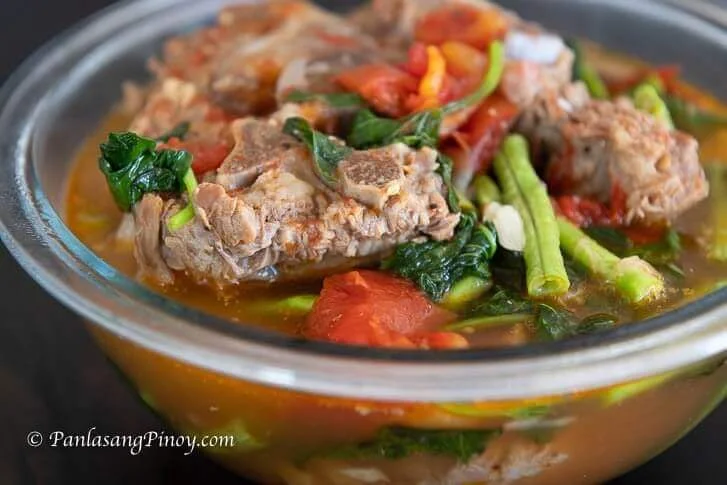
Kinamatisang baka is a Filipino beef soup built around tender beef neck bones, tomatoes and a savoury broth, finished with sitaw and sweet potato leaves. It is a slow-simmered, comforting meal to serve hot with rice.
Ingredients
- 1.81 kg (4 lb)beef neck bones
- 1beef stock cube
- 1.42 litres (6 cups)water
- 6tomatoes, cubed
- 1onion, cubed
- 5 clovesgarlic, chopped
- 12sitaw (snake beans), cut into 5 cm (2-inch) pieces
- 3 cupssweet potato leaves
- 45 ml (3 tablespoons)cooking oil
- to tastepatis (Filipino fish sauce) and ground black pepper
Instructions
- 1
Boil the beef
Pour the water into a cooking pot and add the beef. Bring to the boil, then continue boiling for 60 to 890 minutes, or until the meat is tender.
- 2
Set beef aside
Lift the beef out of the pot and set it aside.
- 3
Soften the vegetables
Heat the oil in a pan and sauté the onion and garlic. Add the tomatoes and cook until the onion and tomatoes soften.
- 4
Sauté the bones
Put the beef neck bones into the pot and sauté for 2 minutes.
- 5
Add the stock
Pour in the beef stock, using the water from cooking the beef, and bring it to the boil.
- 6
Add the cube
Stir in the beef stock cube and cook for 2 minutes.
- 7
Season the broth
Season with patis and ground black pepper to taste.
- 8
Cook the beans
Add the sitaw and cook for 5 minutes.
- 9
Finish with leaves
Add the sweet potato leaves, cover the pot and cook for 2 minutes.
- 10
Serve the soup
Transfer the soup to a serving bowl and serve hot with rice.
What is kinamatisang baka?
Kinamatisang baka is a Filipino beef dish named for its tomato-based broth: kamatis means tomato, while baka means beef. It brings together beef, softened tomatoes and vegetables in a homely soup that is commonly served with rice.
This version uses neck bones, which need a long simmer to tenderise, and finishes with sitaw and sweet potato leaves. The tomatoes and aromatics give the broth its defining savoury, gently tangy character.
Nutrition and macros by portion
The nutrition label shows one serving as written: 124 calories, 1g protein, 7g carbs, 11g fat.
| Portion | Adjustment | kcal | Protein | Carbs | Fat |
|---|---|---|---|---|---|
| Lighter | More greens, less rice | 87 kcal | 1g | 5g | 8g |
| This serving | As written | 124 kcal | 1g | 7g | 11g |
| Hungry | Larger beef and rice portion | 186 kcal | 2g | 11g | 17g |
The beef supplies most of the protein and fat, while the tomatoes, beans and sweet potato leaves contribute some of the carbohydrates. Rice served alongside adds further carbohydrates, so balance the bowl with a generous share of vegetables and choose a rice portion to suit your appetite.
Building the tomato base
Aromatics: sauté the onion and garlic before adding the tomatoes, giving them time to soften and release their juices. That forms the flavour base for the broth.
Tomatoes: cook them until soft rather than leaving them firm. This helps them blend into the soup as it simmers.
Tenderising the neck bones
Beef: simmer the neck bones until the meat is tender before returning them to the pot. The recipe gives a boiling time of 60 to 890 minutes, so use tenderness as the stated doneness cue.
Stock: keep the water used to cook the beef; it becomes the stock for the soup. Pour it back in after sautéing the bones, as directed.
Adding the vegetables
Sitaw: add the sliced snake beans first and cook them for 5 minutes. This gives them a head start before the more delicate leaves go in.
Sweet potato leaves: cover and cook them for 2 minutes at the end. Their shorter cooking time helps keep them from being simmered for the full duration of the soup.
Seasoning to taste
Patis: add the fish sauce after the stock cube, tasting as you go because both contribute savouriness. The recipe leaves the amount to personal taste.
Pepper: add ground black pepper alongside the patis, then adjust the seasoning before serving.
Serving with rice
Serve the soup hot, with rice alongside or in a separate bowl to soak up the tomato-rich broth. The rice also makes a simple partner for the beef and vegetables.
For a more substantial table, offer extra rice and a small dish of patis for anyone who wants to season their own portion.
Recipe notes & tips
- Keep the beef-cooking water to use as the soup stock.
- Cut the sitaw into even lengths so the pieces cook at a similar rate.
- Add the sweet potato leaves only for the final 2 minutes, as directed.
- Taste the broth before adding more patis because the stock cube is also savoury.
- Serve the soup as soon as the greens are cooked.
Variations
- More tomato: add extra tomato only if you are happy to change the listed ingredient quantities.
- Extra greens: increase the sweet potato leaves for a more vegetable-heavy bowl.
- Rice on the side: serve steamed rice separately so each person can choose how much to add.
- Peppery broth: add more ground black pepper at the table.
- Adjust the patis: offer it separately for diners to season their own portions.
Common mistakes to avoid
- Discarding the cooking water: keep it, as the recipe uses it for the broth.
- Stopping before the beef is tender: continue boiling until the meat tenderises.
- Adding the leaves too early: wait until the final 2 minutes so they are not cooked throughout the simmer.
- Over-seasoning at first: add patis gradually and taste, since the stock cube also seasons the broth.
- Skipping the rice: serve with rice as directed to accompany the savoury soup.
How to store
Refrigerate leftovers in a covered container and use within 3 days. Reheat gently in a saucepan until steaming hot throughout; add a little water if the broth has reduced.
Frequently asked questions
How long should I boil the beef?
The supplied method states 60 to 890 minutes, or until the meat tenderises. Because the upper end of that range is unusually long, use the stated tenderness cue and check the beef as it cooks.
Can I use another cut of beef?
The recipe specifies beef neck bones. Another cut may cook differently, so follow the tenderness cue rather than assuming it will take the same time.
What is sitaw?
Sitaw is a Filipino long bean, also called snake bean. The recipe calls for 12 pieces, sliced into 5 cm (2-inch) lengths.
What are sweet potato leaves?
They are the edible leaves of the sweet potato plant, known as dahon ng kamote in Filipino. Add them near the end and cook for 2 minutes.
What can I serve with kinamatisang baka?
Serve it hot with rice, as the recipe suggests. Rice is a simple accompaniment for the broth, beef and vegetables.
Can I prepare the broth ahead?
You can cook the beef and keep its cooking liquid for the soup. Store both chilled in covered containers, then continue with the recipe and add the vegetables near serving time.
Cook it from the original
This recipe comes from panlasangpinoy.com. Their page has the author’s own photos, notes and tips — the best place to cook it from.
Open the recipe on panlasangpinoy.com