
Coconut Jollof Rice
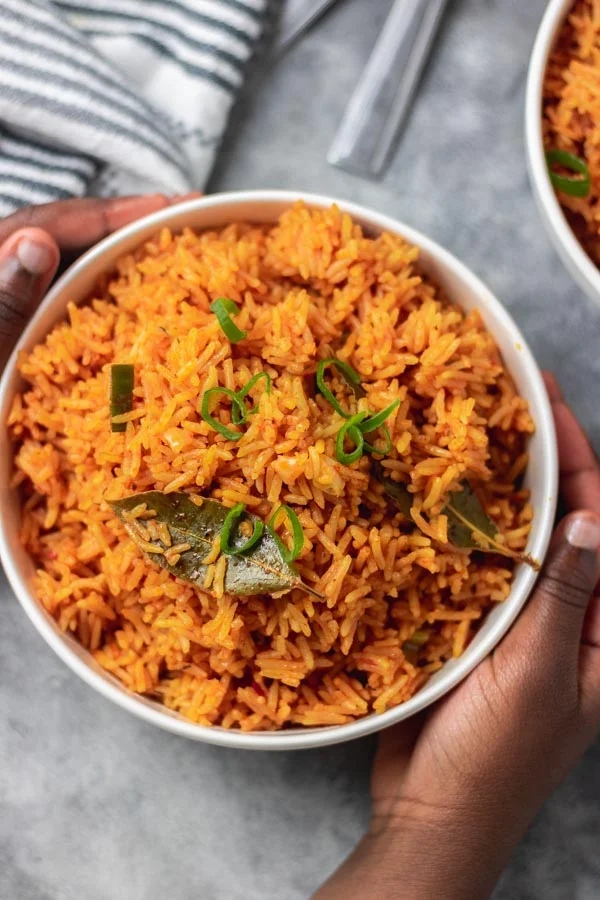
Coconut jollof rice brings the familiar spiced tomato-and-pepper base of jollof together with coconut milk for a mellow, fragrant finish. It makes a generous pot for sharing and pairs easily with other dishes.
Ingredients
- 750 g (4 cups)basmati rice
- 1 smallonion, chopped
- 440 gcoconut oil
- To tastecoconut milk
- 1 tsp (5 ml)curry powder
- 1 tsp (5 ml)thyme
- 2 tbsp (30 ml)concentrated tomato paste
- 1 tsp (5 ml), optionalMAK all-purpose seasoning
- To tastebay leaves
- 480 ml (2 cups)pepper mix
- 1beef bouillon cube
- 1 tsp (5 ml)salt
- 120 ml (1/2 cup)vegetable oil
Instructions
- 1
Cook the base
Heat the vegetable and coconut oils over medium heat. Add the chopped onion, curry and thyme, and sauté until the onion turns translucent. Stir in the tomato paste and optional all-purpose seasoning. Cook for 5 minutes, then lower the heat, add the pepper mix and simmer for about 10 minutes, until the sauce has reduced and oil rises to the surface.
- 2
Add rice
Pour in the coconut milk, stir, and bring the sauce to a boil; let it boil for 5 minutes. Meanwhile, rinse the rice under warm water until the water runs clear, then drain it. Add the rice and bay leaves to the sauce, cover the pot, and cook over low heat for 15 minutes.
- 3
Check the rice
Taste and adjust the salt and seasoning, and check the liquid level. If the rice is still firm and needs more liquid, pour 100 ml evenly over it at a time, then mix to combine. Keep in mind that the rice should cook with steam rather than excess water.
- 4
Finish and serve
Continue cooking until the rice is tender. Serve the coconut jollof rice warm with sides of your choice.
What is coconut jollof rice?
Jollof is a West African one-pot rice dish, generally cooked with a seasoned tomato and pepper base. This version adds coconut milk for a soft, rounded flavour alongside the curry, thyme and pepper.
The rice cooks in the sauce, taking on its colour and seasoning as it steams. That combination makes it a useful centrepiece for a shared meal.
Nutrition and macros by portion
The nutrition label shows one serving as written: 1000 calories, 12g protein, 107g carbs, 57g fat.
| Portion | Adjustment | kcal | Protein | Carbs | Fat |
|---|---|---|---|---|---|
| Lighter | Use less added oil | 700 kcal | 8g | 75g | 40g |
| This serving | As written | 1000 kcal | 12g | 107g | 57g |
| Hungry | Serve a larger portion | 1500 kcal | 18g | 161g | 86g |
Rice supplies most of the carbohydrates, while the coconut oil, vegetable oil and coconut milk account for much of the fat. The rice and pepper mix provide some protein, though the amount depends on the unspecified coconut milk quantity; pair a serving with vegetables and a protein-rich side for a more balanced plate.
Build a flavourful sauce
Onion and spices: sautéing the onion with curry and thyme first gives the oil a fragrant base before the tomato paste goes in.
Tomato and pepper: give the paste its 5-minute cook, then simmer the pepper mix until the sauce reduces and oil appears on top. This concentrates the base before the rice is added.
Use the coconut milk carefully
Coconut milk: the ingredient list does not specify a quantity, so add enough to suit the amount of liquid your rice needs and the richness you prefer. The rice should steam in the covered pot rather than sit in a pool of liquid.
Seasoning: the all-purpose seasoning is optional, and the bouillon cube and salt both contribute savouriness. Taste the sauce before adding extra salt.
Rinse and steam the rice
Rinsing: wash the basmati under warm water until the runoff is clear, then drain it well. This removes loose starch that can make the grains clump.
Covered cooking: keep the heat low once the rice is in the pot and leave the lid on for the stated 15 minutes. Avoid frequent stirring, which can break the grains and release more starch.
Judge doneness by texture
Tender grains: check whether the rice is soft enough after the initial cooking period. If it is still firm, add water in measured 100 ml additions, spreading each addition over the rice before mixing.
Moisture: jollof rice relies on steam, so add liquid gradually rather than flooding the pot. Once tender, let the rice remain covered briefly so the moisture can settle evenly.
Plan the cooking time
The method allocates about 10 minutes to reducing the pepper sauce, 5 minutes to boiling it with coconut milk and 15 minutes for the first covered rice cook. Allow extra time if the rice needs additional liquid and cooking to become tender.
Rinsing the rice while the sauce boils helps make use of that waiting time. Have the lid and sides ready before the rice goes into the pot.
Choose sides to serve
Serve the rice warm with a simple vegetable side or a protein dish. Because the jollof is already rich and well seasoned, a fresh or lightly dressed accompaniment can bring contrast.
For a shared table, serve it alongside other mains and let diners choose their own combination.
Recipe notes & tips
- Drain the rinsed rice well so it does not bring excess water into the pot.
- Let the pepper sauce reduce before adding the rice to concentrate its flavour.
- Keep the heat low and the lid on during the rice's initial cooking.
- Add any extra water in 100 ml increments, checking the rice between additions.
- Taste the sauce before adding more salt, especially if using the bouillon cube and optional seasoning.
Variations
- Adjust the coconut: add coconut milk gradually to make the flavour more or less pronounced.
- Change the heat: use a milder or hotter pepper mix to suit your preference.
- Skip the optional seasoning: leave out the MAK all-purpose seasoning and adjust the salt to taste.
- Make it vegetarian: replace the beef bouillon cube with a vegetable bouillon cube.
- Add a side: serve with vegetables or a protein dish for a more substantial meal.
Common mistakes to avoid
- Adding too much liquid: the grains can become waterlogged; add extra water only in 100 ml increments.
- Skipping the rinse: excess starch can make the rice clump; rinse until the water runs clear.
- Rushing the sauce: it can taste less concentrated; simmer until reduced and oil appears on top.
- Cooking over high heat: the bottom can catch before the rice is tender; keep the covered pot on low.
- Adding salt without tasting: bouillon and all-purpose seasoning can already be salty; check the sauce first.
How to store
Cool leftovers promptly and store them in an airtight container in the fridge for up to 3 days. Reheat until steaming hot, adding a small splash of water if the rice seems dry.
Frequently asked questions
How much coconut milk should I use?
The recipe does not give a quantity. Add it gradually, accounting for the liquid needed to cook the rice, and avoid leaving the grains submerged.
Can I use a different rice?
Basmati is the rice specified here. Other long-grain rice may work, but the liquid absorption and cooking time can differ, so check the packet guidance and the texture as it cooks.
Why is my jollof rice too wet?
It may have had more liquid than it could absorb. Add any extra water in measured amounts and keep the lid on so the rice cooks by steam rather than sitting in excess liquid.
When is the rice cooked?
It is ready when the grains are tender. If they are still firm after the initial 15 minutes, add water in 100 ml increments and continue cooking.
Can I leave out the all-purpose seasoning?
Yes. It is marked optional in the recipe; taste the sauce and adjust the salt and other seasoning to suit.
What can I serve with coconut jollof rice?
Serve it warm with vegetables or a protein dish of your choice. A fresh, lightly dressed side can balance the richness of the rice.
Cook it from the original
This recipe comes from myactivekitchen.com. Their page has the author’s own photos, notes and tips — the best place to cook it from.
Open the recipe on myactivekitchen.com