
Fried Gizzards
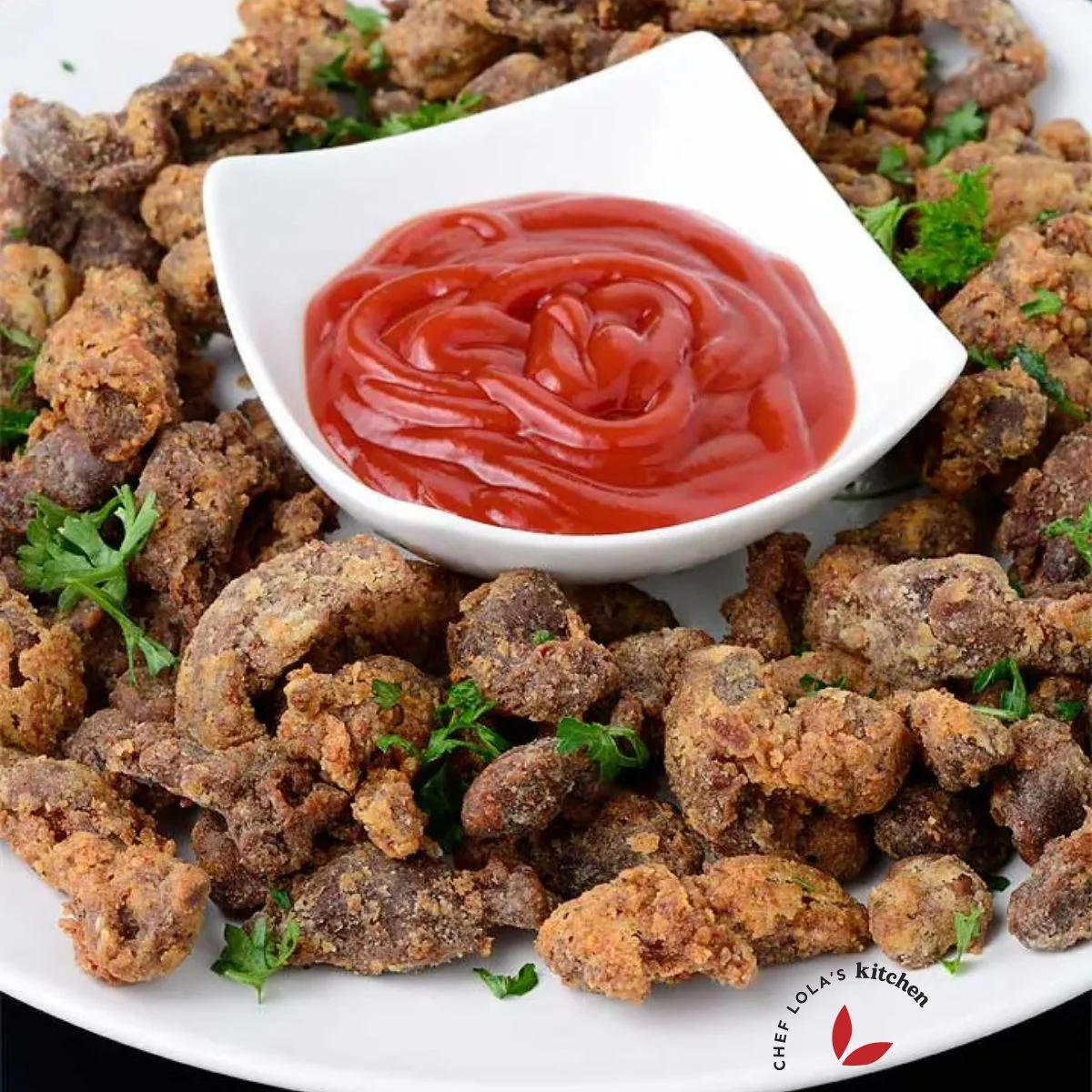
Chicken gizzards are simmered with onion and seasonings, then coated in spiced flour and fried until crisp. Simmering them first helps make this boldly flavoured American-style dish tender inside and crunchy outside.
Ingredients
- 907 g (2 lb)cleaned chicken gizzards
- 75 g (½ cup)diced onion
- 1chicken bouillon cube
- 1 tspsalt
- 1 tspblack pepper
- 1 tspsmoked paprika
- 1 tspdried thyme
- 240 ml (1 cup)water
- 125 g (1 cup)self-raising flour
- ¼ tspcayenne pepper
- 1 tspsmoked paprika
- 1 tspgarlic powder
- 1 tsponion powder
- 1½ tspblack pepper
- ½ tspground garlic powder
- As neededoil for frying
Instructions
- 1
Trim the gizzards
Trim away any excess fat and gristle from the chicken gizzards.
- 2
Simmer with seasonings
Put the gizzards in a pot with the diced onion, diced bouillon cube, salt, black pepper, smoked paprika, thyme and 240 ml water. Stir, cover and cook for about 30 minutes, then remove from the heat and drain.
- 3
Mix the coating
In a medium bowl, whisk together the flour, salt, black pepper, garlic powder, onion powder, cayenne pepper and paprika until evenly combined.
- 4
Coat the gizzards
Working in batches, add a few gizzards to the seasoned flour and toss with a spoon until well coated.
- 5
Fry until golden
Heat oil over medium-high heat in a pan deep enough to hold at least 5–7.5 cm (2–3 inches) of oil. Fry the coated gizzards until golden brown, then drain on paper towels and serve straight away.
What are fried gizzards?
Gizzards are a muscular part of a chicken’s digestive system, valued in many food traditions for their distinctive, savoury flavour. In American home cooking, they are often simmered until tender, then fried for a crisp finish.
This version seasons the cooking liquid as well as the flour coating, so the gizzards carry flavour beneath the crunchy crust.
Nutrition and macros by portion
The nutrition label shows one serving as written: 388 calories, 47g protein, 28g carbs, 9g fat.
| Portion | Adjustment | kcal | Protein | Carbs | Fat |
|---|---|---|---|---|---|
| Lighter | Use less frying oil | 272 kcal | 33g | 19g | 6g |
| This serving | As written | 388 kcal | 47g | 28g | 9g |
| Hungry | Add a larger serving | 582 kcal | 71g | 41g | 13g |
The flour supplies most of the carbohydrates, while the chicken gizzards provide most of the protein. The frying oil contributes much of the fat, so a fresh vegetable side is a practical way to balance the plate.
Why simmer them first?
Gentle cooking before frying gives the gizzards time to soften; frying alone would brown the outside before the centres were tender. The onion, bouillon, thyme and spices also flavour them as they cook.
Drain them well before coating. A wet surface can make the flour clump and prevent an even crust.
Building the seasoned coating
Spice balance: smoked paprika brings a savoury, smoky note, while cayenne adds heat and garlic and onion powders deepen the seasoning.
Even coverage: work in small batches and turn each piece through the flour with a spoon. The coating should cover the surfaces rather than form thick, damp patches.
Frying for a crisp finish
Oil depth: use enough oil to reach 5–7.5 cm (2–3 inches), as the method specifies, and choose a suitably deep pan. Lower the coated pieces in carefully to avoid splashes.
Doneness cue: look for an evenly golden-brown coating, then transfer the gizzards to paper towels. Serve promptly, while the outside is still crisp.
Timing and preparation
The stated total time is 50 minutes, including about 30 minutes of simmering. Have the flour mixture ready while the gizzards cook, then drain them before beginning the coating and frying stages.
The method does not give a precise frying time, so use the golden colour as your visual cue and fry in batches if needed.
What to serve alongside
Serve the gizzards hot with a fresh, crunchy side such as slaw or a simple green salad to contrast with the fried coating. Cornbread or another plain side can make the plate more substantial.
A tangy dipping sauce also pairs well with the smoky, peppery crust.
Recipe notes & tips
- Trim the gizzards carefully so excess gristle does not remain.
- Dice the bouillon cube before adding it to the pot so it disperses more readily.
- Drain the cooked gizzards well before dredging them in flour.
- Coat only a few pieces at a time to keep the flour mixture easy to work with.
- Fry in batches if necessary so the pieces have room to brown.
Variations
- More heat: increase the cayenne in the flour coating to taste.
- Herb note: add a little extra dried thyme to the flour mixture.
- Peppery coating: adjust the black pepper in the coating to suit your preference.
- Tangy dip: serve with a sharp dipping sauce alongside the hot gizzards.
Common mistakes to avoid
- Skipping the simmer: frying raw gizzards can leave them tough; cook them in the seasoned pot first.
- Coating wet pieces: excess moisture can turn the flour pasty; drain the gizzards thoroughly.
- Crowding the pan: too many pieces at once can make frying uneven; cook them in batches.
- Frying in a shallow pan: the recipe calls for 5–7.5 cm of oil; use a deep, suitable pan.
- Waiting to serve: the crust softens as it sits; drain briefly and serve straight away.
How to store
Refrigerate leftovers in a covered container and use within 3–4 days. Reheat in an oven or air fryer until hot to help restore some crispness; the coating may soften during storage.
Frequently asked questions
Do I need to cook the gizzards before frying?
Yes. This method simmers them for about 30 minutes before coating and frying, which helps soften them.
How can I tell when the gizzards are done frying?
The method gives a visual cue rather than a set frying time: fry until the coating is golden brown.
Can I prepare the gizzards ahead?
You can simmer and drain them ahead, then refrigerate them until you are ready to coat and fry. For the crispiest result, fry shortly before serving.
Why is my coating not crisp?
The gizzards may have been too wet before dredging, or the pan may have been crowded. Drain the pieces well and fry in batches.
What should I serve with fried gizzards?
Try a crunchy salad or slaw, cornbread, or a tangy dipping sauce.
Cook it from the original
This recipe comes from cheflolaskitchen.com. Their page has the author’s own photos, notes and tips — the best place to cook it from.
Open the recipe on cheflolaskitchen.com