
Meat Buns
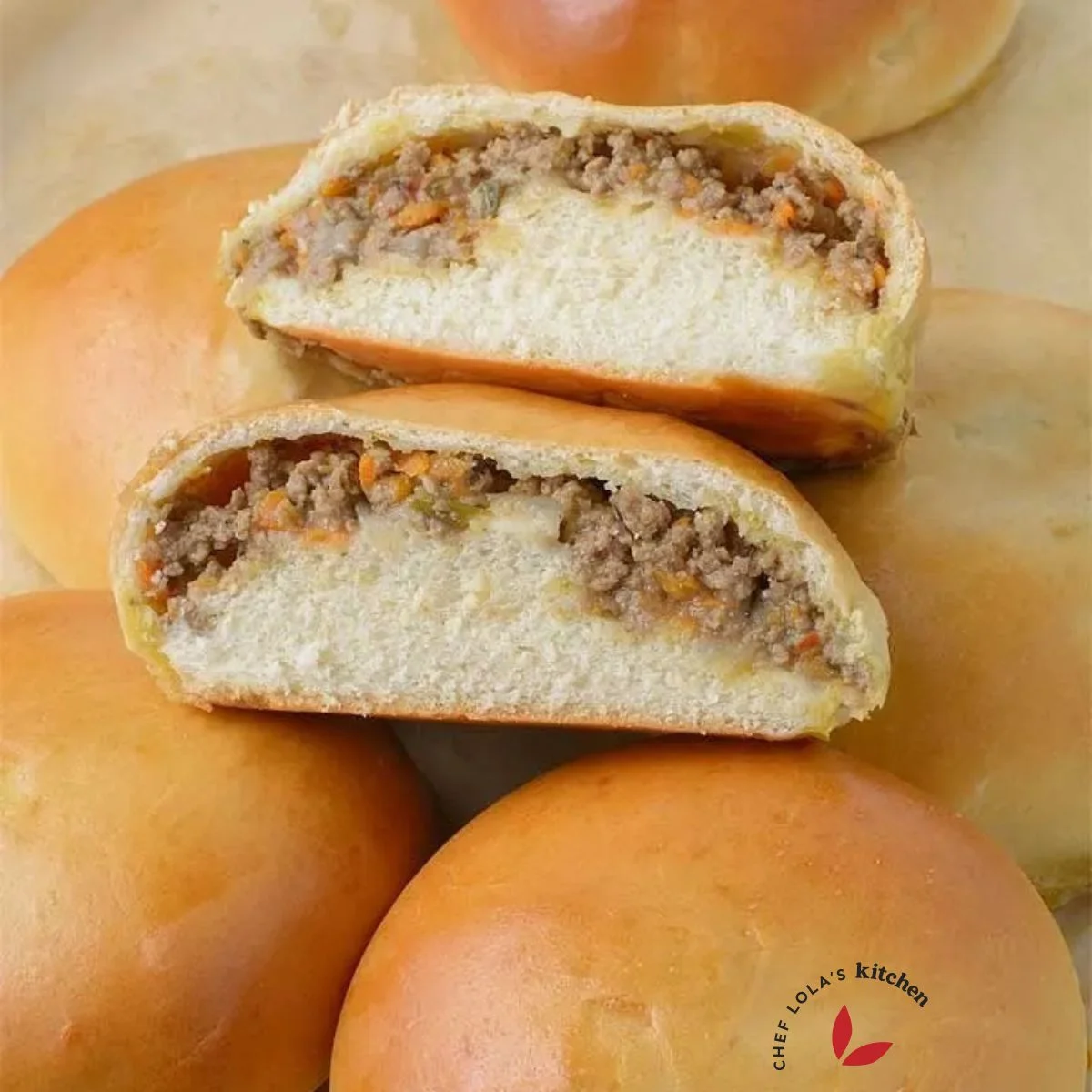
These soft, golden buns enclose a savoury beef filling with onion, carrot, spring onion and warming seasoning. They make a filling hand-held meal, with the dough and meat prepared separately before the buns are shaped and baked.
Ingredients
- 454 g (1 lb)beef
- 1 smallonion
- 30 ml (2 Tbsp)olive oil
- 1 tspthyme
- to tastesalt
- 1 tspbouillon powder
- to tastered chilli flakes
- 2carrots
- 2spring onions
- 16 g (2 tbsp)plain flour, for the slurry
- 30 ml (2 tbsp)water, for the slurry
- 315 g (2½ cups), plus 8–16 g (1–2 tbsp) for kneadingplain flour
- 28 g (2 Tbsp), meltedbutter
- about 3.5 g (½ tbsp)yeast
- 1egg
- 180 ml (¾ cup), warmmilk
- 38 g (3 tbsp), plus 4 g (1 tsp) for proofing the yeastsugar
- ½ tspsalt
Instructions
- 1
Cook the onion
While the dough is resting, heat the olive oil in a pan. Add the diced onion and cook until softened, about 5 minutes.
- 2
Brown the beef
Add the beef to the pan and break it up as it cooks.
- 3
Season the filling
Add the thyme, red chilli flakes, grated carrots, spring onions, bouillon powder, salt and pepper to taste.
- 4
Reduce the liquid
Cook until little or no liquid remains in the meat.
- 5
Thicken and cool
Stir in the flour-and-water slurry and simmer for a few more minutes. Take the pan off the heat and leave the filling to cool.
- 6
Proof the yeast
Dissolve the yeast and the 1 tsp sugar in the warm milk, then leave the mixture to proof.
- 7
Mix the dough
In a large bowl, combine the flour, salt and sugar. Make a well in the centre, add the proofed yeast mixture, egg and melted butter, and mix until a soft dough forms.
- 8
Knead the dough
Move the dough to a lightly floured surface and knead by hand until smooth and elastic, about 7 minutes.
- 9
Let it rise
Put the dough in a very large oiled bowl, coating the dough surface with a little oil too. Leave it in a warm place for 1 hour, or until doubled in size.
- 10
Deflate the dough
Punch down the dough to release the trapped air, then place it on a lightly floured work surface.
- 11
Divide the dough
Split the dough into 6 equal portions and shape each portion into a ball.
- 12
Fill and seal
Roll out one ball at a time into a circular disc. Spoon filling into the centre, gather the dough at the top and pinch it closed a couple of times to seal.
- 13
Proof the buns
Arrange the buns seam-side down on a parchment-lined baking sheet. Cover and leave in a warm place until doubled in size, about 30 minutes.
- 14
Bake until golden
Brush the buns with egg wash and bake at 180°C (350°F) for 20 minutes, or until golden brown. Serve warm.
What are meat buns?
Meat buns are filled breads: seasoned meat is enclosed in dough, then cooked until the outside is set and the filling is savoury and tender. Many Asian cuisines have their own versions of filled buns, with different doughs, fillings and cooking methods.
This recipe uses a soft, yeast-raised dough and a beef filling cooked with vegetables and seasoning. Baking gives the buns a golden exterior while keeping the filling tucked inside.
Nutrition and macros by portion
The nutrition label shows one serving as written: 490 calories, 21g protein, 51g carbs, 22g fat.
| Portion | Adjustment | kcal | Protein | Carbs | Fat |
|---|---|---|---|---|---|
| Lighter | Smaller bun, more salad | 343 kcal | 15g | 36g | 15g |
| This serving | As written | 490 kcal | 21g | 51g | 22g |
| Hungry | Larger portion | 735 kcal | 32g | 77g | 33g |
The dough and sugar supply most of the carbohydrates, while the beef contributes much of the protein. Beef, olive oil, butter and egg account for much of the fat; serve a bun with vegetables or salad for a more balanced plate.
Building the beef filling
Onion first: cooking it until soft gives the filling a mellow base before the beef goes into the pan.
Vegetables and seasoning: grated carrot and sliced spring onion bring sweetness and freshness, while thyme, chilli and bouillon season the beef. The method also calls for pepper to taste.
Getting the dough right
Proofed yeast: dissolve it with the small amount of sugar in warm milk, then give it time to proof before mixing the dough. The recipe does not specify a proofing duration, so use the visual cue that the yeast mixture is active.
Kneading: work the dough for about 7 minutes by hand until it feels smooth and elastic. Add only enough of the extra flour to keep the work surface manageable.
Managing the filling’s moisture
Reduce the meat mixture until little or no liquid remains before adding the slurry. A drier filling is easier to portion and less likely to make the dough difficult to seal.
Cool the filling before shaping the buns. Warm filling can soften the dough and make the seams harder to pinch closed.
Shaping and proofing
Even portions: divide the dough into 6 equal pieces so the buns bake at a similar rate. Roll each into a disc, leaving enough dough around the edges to gather over the filling.
Secure seams: pinch the gathered dough firmly, then place each bun seam-side down on the lined tray. The covered second rise should leave the buns visibly puffed, about double their size after roughly 30 minutes.
Baking and serving
Bake at 180°C (350°F) for 20 minutes, checking for a golden-brown surface. The recipe also suggests the colour as the doneness cue.
Serve the buns warm, with a crisp salad or lightly dressed vegetables alongside. Their bread and beef filling make them substantial enough for a simple lunch or dinner.
Recipe notes & tips
- Dice the onion finely so it softens evenly in the pan.
- Grate the carrots before adding them so they distribute through the beef filling.
- Let the filling cool before spooning it into the dough.
- Seal each bun carefully and place it seam-side down to help keep the filling enclosed.
- Use the stated rise cues as well as the timings: the dough should double in size at each rise.
Variations
- More heat: increase the red chilli flakes to taste.
- Herb swap: use another dried herb in place of thyme if preferred.
- Extra vegetables: add more grated carrot or spring onion to the filling.
- Different meat: use minced lamb instead of beef, adjusting the cooking until little liquid remains.
- Smaller buns: divide the dough into more portions and make each bun smaller.
Common mistakes to avoid
- Wet filling: simmer until little or no liquid remains, then cool it before shaping.
- Sticky dough: use the extra kneading flour sparingly so the dough stays soft.
- Loose seams: gather the dough over the filling and pinch the top closed a couple of times.
- Uneven buns: divide the dough into 6 equal portions for more consistent baking.
- Under-proofed buns: wait until the shaped buns have doubled in size before baking.
How to store
Once cool, store the buns in an airtight container in the fridge and eat within 3 days. Reheat in an oven until warmed through; the dough may soften slightly after storage.
Frequently asked questions
Can I make the filling ahead?
Yes. Cook and cool it, then refrigerate it in a covered container until you are ready to shape the buns.
How do I know when the dough has risen enough?
For the first rise, look for the dough to double in size. After shaping, the recipe gives the same cue for the buns, which takes about 30 minutes.
Can I use a different meat?
You can substitute another minced meat, but cook it until little or no liquid remains before adding the slurry.
Why is the filling cooled before shaping?
Cool filling is easier to handle and less likely to soften the dough or interfere with sealing the buns.
Can I freeze the baked buns?
The recipe does not give freezing instructions. For best texture, store the cooled buns in the fridge and reheat them before serving.
Cook it from the original
This recipe comes from cheflolaskitchen.com. Their page has the author’s own photos, notes and tips — the best place to cook it from.
Open the recipe on cheflolaskitchen.com