
Easy Chicken Korma made at home!
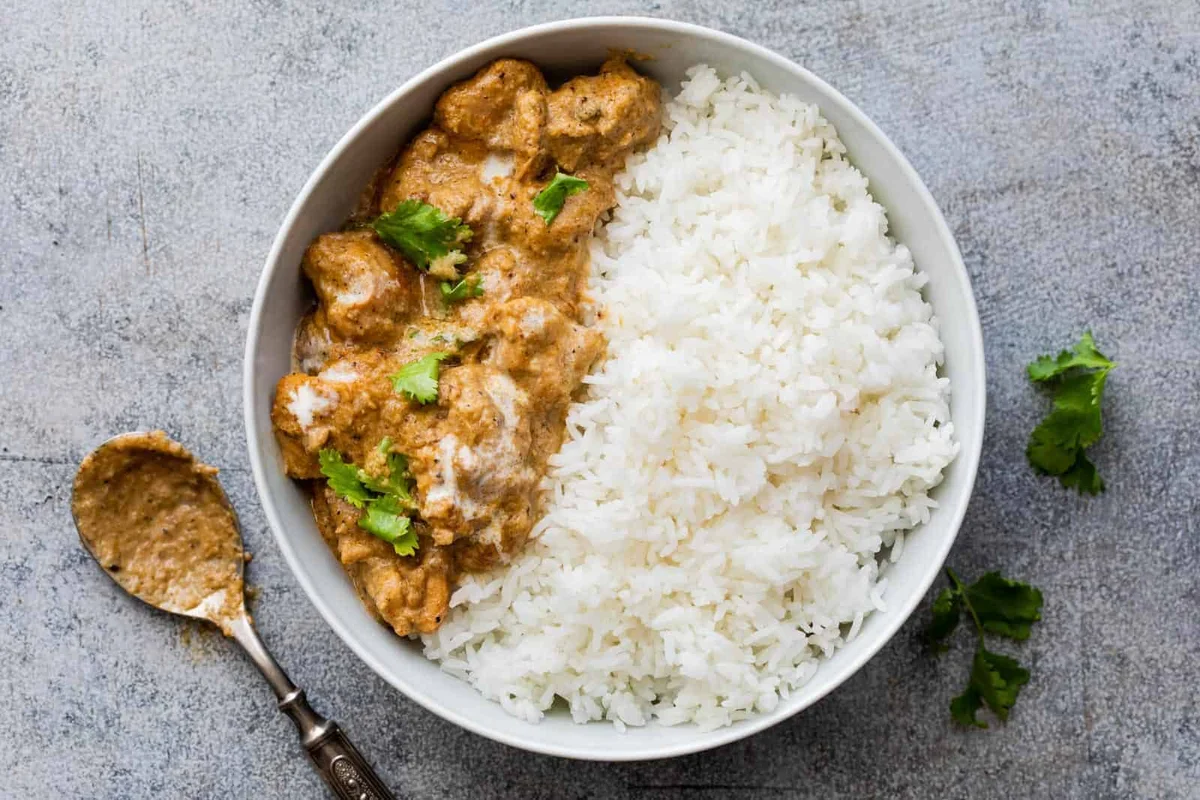
This chicken korma pairs tender chicken with a creamy, gently spiced gravy made from browned onions, cashews and yoghurt. It is a comforting dish for a special-feeling meal without a complicated method.
Ingredients
- 1 kgboneless, skinless chicken thighs, cut into 3.8 cm pieces
- 120 ml (½ cup)yoghurt
- 2 teaspoons, dividedsalt
- 1 teaspoonground black pepper
- 60 ml (4 tablespoons)ghee
- 4 largeonions, sliced
- 10cashew nuts, soaked in water for 30 minutes
- 6 clovesgarlic, peeled
- 2.5 cm (1 inch)ginger, peeled
- 3green chillies or serrano peppers
- 2cardamom pods
- 1bay leaf
- 3cloves
- 2.5 cm (1 inch)cinnamon stick
- 1 teaspoonground coriander
- ½ teaspoonchilli powder or cayenne pepper
- ½ teaspoongaram masala
- 3 tablespoonscream
- To tastesalt
Instructions
- 1
Marinate chicken
Mix the chicken with the yoghurt, 2 teaspoons of the salt and the black pepper. Leave to marinate for 20 minutes. Soak the cashews in water during this time so they soften.
- 2
Brown onions
Heat 2 tablespoons of ghee and cook the onions until soft and deep golden brown, stirring every few minutes so they do not stick or burn.
- 3
Blend the paste
Transfer the browned onions to a mixer grinder with the soaked cashews, garlic, ginger, green chillies and a little water. Grind until smooth.
- 4
Cook the chicken
Heat the remaining ghee and add the cardamom pods, bay leaf, cloves, cinnamon and chicken. Stir-fry over high heat for a few minutes, until the chicken is lightly browned. Add the onion paste, ½ cup water, coriander powder, chilli powder and salt to taste. Cover and cook for 20–25 minutes, stirring occasionally and adding more water if needed.
- 5
Finish the korma
Once the chicken is cooked, stir in the garam masala and cream, then turn off the heat. Serve hot.
What is chicken korma?
Korma is a South Asian style of dish in which meat or vegetables are cooked in a richly flavoured sauce. Its history is associated with the Mughal-influenced cooking traditions of the Indian subcontinent.
This version builds its gravy from deeply browned onions, cashews and yoghurt, then finishes with cream and warm spices. The result is aromatic and rich, with the chillies adding a little heat.
Nutrition and macros by portion
The nutrition label shows one serving as written: 300 calories, 15g protein, 9g carbs, 23g fat.
| Portion | Adjustment | kcal | Protein | Carbs | Fat |
|---|---|---|---|---|---|
| Lighter | Use less cream and ghee | 210 kcal | 11g | 6g | 16g |
| This serving | As written | 300 kcal | 15g | 9g | 23g |
| Hungry | Serve with extra rice | 450 kcal | 23g | 14g | 35g |
The chicken provides most of the protein, while the onions and cashews contribute carbohydrates. Ghee and cream account for much of the fat. Serve it with a generous portion of vegetables alongside rice or flatbread to make a balanced plate.
The onion foundation
Slow browning: Cook the sliced onions until evenly deep golden and soft, keeping them moving often enough to prevent sticking. This step develops the sweetness that gives the gravy much of its character.
Smooth paste: Blend the onions with the softened cashews, garlic, ginger and chillies until no large pieces remain. Add only a little water at first so the paste stays thick.
Choosing the chicken
Thigh meat: Boneless, skinless thighs suit the covered simmer and are less likely to dry out than leaner pieces. Cutting them into roughly 3.8 cm chunks helps them cook evenly.
Yoghurt marinade: The 20-minute rest seasons the chicken before it goes into the pan. Keep the chicken and marinade together when adding them, as the method calls for both.
Blooming the whole spices
Whole spices: Cardamom, bay, cloves and cinnamon go into the hot ghee with the chicken. Stir them around as the chicken browns so their fragrance spreads through the cooking fat.
Ground spices: Coriander and chilli powder are added with the onion paste and water, while garam masala is stirred in at the end. This gives the finishing spice a fresh, noticeable aroma.
Getting the gravy right
Covered simmer: Cook the chicken for 20–25 minutes, stirring now and then. The pieces should be cooked through and tender; if the gravy becomes too thick before then, add a little water.
Creamy finish: Stir in the cream only after the chicken has cooked, then take the pan off the heat. Taste the gravy and adjust the salt before serving.
Serving chicken korma
Rice: Serve the korma with plain rice to soak up the creamy gravy. Warm flatbreads are another useful accompaniment.
Fresh contrast: A simple salad or lightly cooked vegetables provide a fresh contrast to the rich sauce. Serve the korma hot while the gravy is at its creamiest.
Recipe notes & tips
- Slice the onions evenly so they brown at a similar pace.
- Keep the onions over a steady heat and stir regularly to avoid burnt patches.
- Drain the soaked cashews before blending them into the onion paste.
- Add water gradually while blending to keep the paste smooth and thick.
- Check the chicken near the end of the simmer and continue cooking if it is not cooked through.
- Taste the sauce after adding the cream and adjust the salt before serving.
Variations
- Adjust the heat: Use fewer green chillies for a milder gravy.
- Use chicken breast: Cut it into similar-sized pieces and check it carefully during the simmer so it does not overcook.
- Make it dairy-free: Use an unsweetened plant-based yoghurt and cream alternative, knowing the flavour and texture will differ.
- Add vegetables: Stir in cooked peas near the end for extra colour and texture.
- Serve with flatbread: Swap rice for warm naan or another flatbread to scoop up the gravy.
Common mistakes to avoid
- Burning the onions: Stir them every few minutes and lower the heat if they darken too quickly.
- Leaving cashews unsoaked: Soak them for 30 minutes so they blend more smoothly.
- Making the paste too thin: Add water a little at a time while grinding.
- Skipping the occasional stir: Stir the covered pan now and then to prevent sticking and check the gravy consistency.
- Adding cream too early: Stir it in only once the chicken is cooked, then turn off the heat.
How to store
Cool leftovers promptly and refrigerate in an airtight container for up to 3 days. Reheat gently in a saucepan until piping hot, adding a splash of water if the gravy has thickened.
Frequently asked questions
How do I know when the onions are browned enough?
They should be soft and an even deep golden brown, not dark or burnt. Stir regularly as they cook.
Can I make the onion paste ahead?
Yes. Blend the browned onions with the cashews and aromatics, then refrigerate the paste in a covered container and use it within a day.
How can I tell when the chicken is cooked?
Check that the largest pieces are cooked through, with no raw-looking centre. If needed, simmer for a little longer before adding the cream.
Can I make this korma less spicy?
Use fewer green chillies and reduce or omit the chilli powder. The whole spices will still give the sauce plenty of fragrance.
What should I serve with chicken korma?
Plain rice or warm flatbread both work well. A simple salad or vegetables make a fresh side.
Can I freeze the leftovers?
The korma can be frozen in an airtight container, though the cream-based gravy may separate slightly after thawing. Defrost in the fridge and reheat gently, stirring well.
Cook it from the original
This recipe comes from myfoodstory.com. Their page has the author’s own photos, notes and tips — the best place to cook it from.
Open the recipe on myfoodstory.com