
Plain White Rice
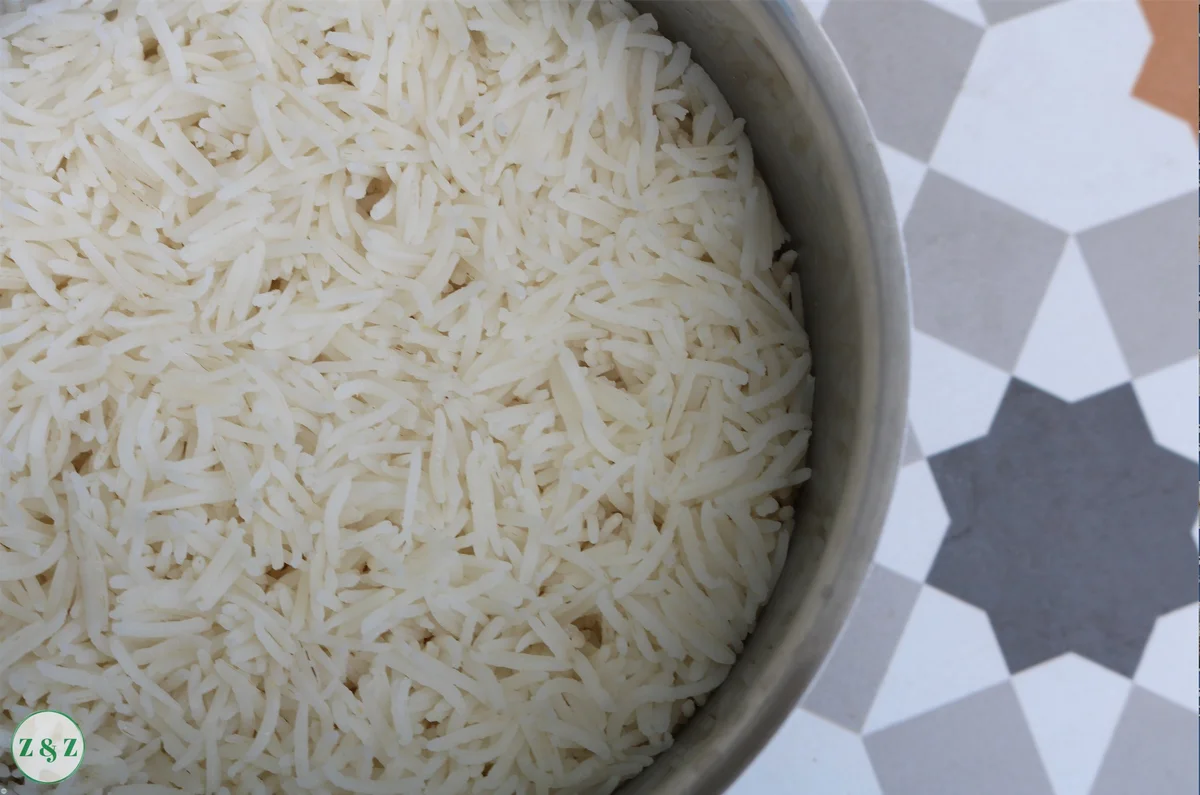
Plain white basmati rice is cooked on the hob until the grains are tender and separate. Soaking, rinsing and leaving the covered pot undisturbed help make this a reliable side for curries, stews and many other meals.
Ingredients
- 190 g (1 cup)basmati rice
- 375 ml (1.5 cups)boiling water
- 2.5 ml (1/2 tsp)salt
- 15–30 ml (approximately 1–2 tbsp)vegetable oil
Instructions
- 1
Soak the rice
Cover the rice with cold water and leave it to soak for about 30 minutes.
- 2
Rinse the grains
Drain the soaking water, then rinse the rice in a fine strainer until the water runs clear.
- 3
Sauté the rice
Drain well and put the rice in a small pot with the oil. Sauté over a medium heat for a few minutes, stirring until the rice feels heavier as you move it.
- 4
Add water
Measure 375 ml of water and add it to the rice with the salt.
- 5
Bring to the boil
Bring the pot to the boil and let it bubble for 1 minute, then turn the heat to its lowest setting.
- 6
Cover the pot
Put on the lid and keep it in place; do not lift it during cooking.
- 7
Rest off heat
After exactly 15 minutes, turn off the heat and leave the rice covered for a few minutes to finish in its own steam.
- 8
Fluff and serve
Fluff the rice with a fork and serve.
What is plain white rice?
Plain white rice is a simple cooked-grain side found in meals across many cuisines. Basmati, a long-grain rice associated with South Asian cooking, is known for its delicate aroma and grains that can cook up distinct rather than sticky.
This method uses soaking and rinsing before the rice is briefly sautéed and cooked with a measured amount of water. Keeping the lid on through cooking and resting lets the grains finish gently in trapped steam.
Nutrition and macros by portion
The nutrition label shows one serving as written: 430 calories, 7g protein, 80g carbs, 11g fat.
| Portion | Adjustment | kcal | Protein | Carbs | Fat |
|---|---|---|---|---|---|
| Lighter | Use less oil | 301 kcal | 5g | 56g | 7g |
| This serving | As written | 430 kcal | 7g | 80g | 11g |
| Hungry | Serve a larger portion | 645 kcal | 11g | 120g | 16g |
Most of the carbohydrates and some of the protein come from the basmati rice, while the vegetable oil supplies most of the fat. Serve it with vegetables and a protein-rich dish such as beans or tofu to make a more balanced plate.
Why soak and rinse the rice?
Soaking: the recipe calls for about 30 minutes in cold water before cooking. This is longer than the stated 20-minute total time, so allow extra time if you follow the method as written.
Rinsing: wash the soaked rice in a fine strainer until the water runs clear, then drain it well. This removes loose surface starch that can make cooked grains clump together.
The brief sauté
Oil: the recipe uses 1–2 tablespoons of vegetable oil, added to the drained rice before the water. Stir over medium heat for a few minutes as directed.
Cue: the method describes the rice becoming heavy to the touch as you stir. Keep the rice moving gently and avoid letting it catch on the bottom of the pot.
How to manage the heat
Boil: once the water and salt are in, bring the pot to a boil and let it bubble for 1 minute. Then turn the heat down to its lowest setting.
Cover: keep the lid on for the full 15-minute cooking period. Lifting it releases steam, so use a timer rather than checking the rice partway through.
Resting and checking doneness
Rest: turn off the heat after exactly 15 minutes and leave the pot covered for a few minutes. The rice continues to finish in the steam without direct heat.
Finish: fluff gently with a fork before serving. The grains should be tender and separate; if they are still firm, return the lid and let them sit in the residual heat a little longer.
What to serve with it
Pairings: serve this rice alongside a curry, dal, stew or saucy vegetable dish so it can soak up the juices. It also works as a plain base for beans, tofu or roasted vegetables.
Balance: add a source of protein and vegetables to make the rice part of a more substantial plate. Keep the rice warm and covered while you finish the rest of the meal.
Recipe notes & tips
- Allow about 30 minutes for soaking, which is not included in the stated 20-minute total time.
- Drain the rinsed rice well so excess water does not throw off the cooking ratio.
- Use a pot with a close-fitting lid to keep steam inside.
- Set a timer for the 15-minute covered cooking period.
- Fluff the rice gently with a fork to separate the grains without crushing them.
Variations
- Fragrant spices: add a whole cardamom pod or cinnamon stick to the pot while the rice cooks.
- Citrus finish: serve with a little lemon juice and finely grated zest.
- Fresh herbs: fold chopped coriander or parsley through the fluffed rice.
- Vegetable side: serve with peas or roasted vegetables for colour and extra texture.
- Richer texture: use the upper end of the stated oil range.
Common mistakes to avoid
- Skipping the rinse: loose starch can make the grains stick; rinse until the water runs clear.
- Poor draining: excess water can affect the cooking ratio; drain the rice thoroughly before sautéing.
- Lifting the lid: steam escapes and interrupts cooking; keep the pot covered for the full 15 minutes.
- Cooking too hot: the base may catch before the rice is done; turn the heat to its lowest setting after the brief boil.
- Serving straight away: the grains may be less settled; leave the covered pot off the heat for a few minutes first.
How to store
Cool leftover rice promptly, transfer it to a covered container and refrigerate for up to 1 day. Reheat until steaming hot throughout, adding a small splash of water if it has dried out; do not reheat it more than once.
Frequently asked questions
Does the 20-minute total include soaking?
No: the method also calls for about 30 minutes of soaking. Allow extra time for that step.
Why rinse basmati rice until the water runs clear?
Rinsing removes loose starch from the surface of the grains, which can help the cooked rice stay separate.
Can I lift the lid to check the rice?
The method says to keep the lid on throughout the 15-minute cooking time. Use a timer and check only after turning off the heat and resting the pot.
What if the rice is still firm after resting?
Keep the lid on and leave the pot in its residual heat for a little longer. The grains can continue to soften in the trapped steam.
Can I make this without oil?
The oil is part of the recipe's sautéing step. For a lower-oil version, use less, while keeping the rice, water and salt amounts unchanged.
Cook it from the original
This recipe comes from zaatarandzaytoun.com. Their page has the author’s own photos, notes and tips — the best place to cook it from.
Open the recipe on zaatarandzaytoun.com