
Creamy Chipotle Pasta with Shrimp
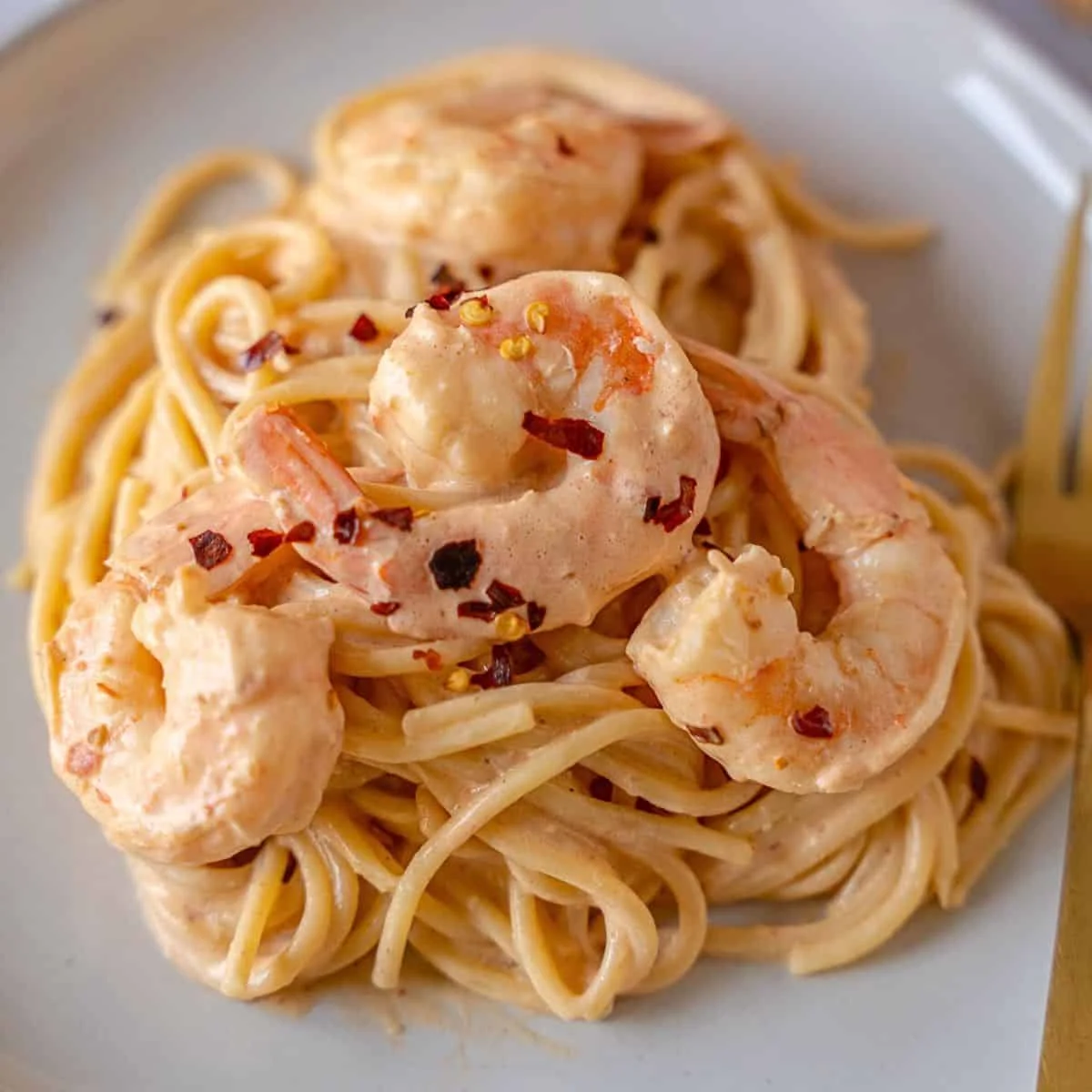
This quick fusion pasta combines shrimp and spaghetti with a smooth, creamy chipotle sauce. It is a useful weeknight option when you want a little smoky heat without a long cooking time.
Ingredients
- 30 g (2 tablespoons)Butter
- 454 g (1 pound)Shrimp, peeled and deveined; season with salt and pepper
- 227 g (8 ounces)Pasta, such as spaghetti
- 120 ml (½ cup)Chicken stock, or water with chicken bouillon
- 120 ml (½ cup)Half-and-half
- 113 g (4 ounces)Block cream cheese
- 1Garlic clove
- 1–3Chipotles in adobo sauce
- To tasteSalt and pepper
Instructions
- 1
Cook the pasta
Bring a large pot of water to the boil and season it with salt. Add the pasta and cook according to the instructions on the packet.
- 2
Blend the sauce
Put all the sauce ingredients in a blender and blend until smooth. Taste and add more salt and pepper if needed.
- 3
Season the shrimp
Peel and devein the shrimp if this has not already been done; remove the tails if you prefer. Season with salt and pepper.
- 4
Melt the butter
Set a large non-stick frying pan over a medium heat. Add the butter and, once melted, add the shrimp.
- 5
Cook the shrimp
Cook the shrimp until they are no longer opaque, taking care not to overcook them. Turn the heat to low and pour in the blended chipotle sauce.
- 6
Toss and serve
When the pasta is cooked, drain it and add it to the pan with the sauce and shrimp. Toss gently to coat, check the seasoning and serve.
What is creamy chipotle pasta with shrimp?
This is a fusion-style pasta dish: spaghetti meets a creamy sauce flavoured with chipotles in adobo, a smoky, chilli-based ingredient associated with Mexican cooking. The combination brings together familiar pasta textures with a spicy, savoury sauce.
Here, cream cheese and half-and-half soften the chipotle's heat, while shrimp cook quickly in the same pan. Blending the sauce makes it smooth and helps it coat the pasta.
Nutrition and macros by portion
The nutrition label shows one serving as written: 405 calories, 10g protein, 46g carbs, 20g fat.
| Portion | Adjustment | kcal | Protein | Carbs | Fat |
|---|---|---|---|---|---|
| Lighter | Use less creamy sauce | 284 kcal | 7g | 32g | 14g |
| This serving | As written | 405 kcal | 10g | 46g | 20g |
| Hungry | Serve a larger portion | 608 kcal | 15g | 69g | 30g |
The pasta supplies most of the carbohydrates, while the butter, cream cheese and half-and-half contribute much of the fat. Shrimp provides protein, with some also coming from the dairy ingredients. Serve with a green salad or vegetables for a fresh contrast alongside the pasta.
Choosing the chipotles
Heat level: Start with one chipotle for a milder sauce, or use more for a stronger chilli kick. Blend the chosen amount with the other sauce ingredients as directed.
Adobo sauce: The chipotles come packed in a seasoned sauce, so include some of that sauce when blending. Taste the finished sauce before adding extra salt.
Getting the shrimp right
Preparation: Use peeled and deveined shrimp, or remove the shells and vein before cooking. Taking off the tails is optional and makes the finished pasta easier to eat.
Doneness: Cook just until the shrimp are no longer opaque, then lower the heat before adding the sauce. Shrimp can turn tough if left cooking for too long.
Making a smooth sauce
Blending: Blend the chicken stock, half-and-half, cream cheese, garlic and chipotles until smooth. This helps distribute the garlic and chilli evenly through the creamy base.
Seasoning: Taste the blended sauce before it goes into the pan, then check the pasta again once everything is tossed together. The adobo and stock can both bring seasoning, so adjust salt and pepper to suit.
Timing the pasta and sauce
Pasta: Follow the packet timing, since shapes and brands cook at different rates. Drain it once cooked and add it straight to the pan so it can be coated while warm.
Sauce: Keep the heat low when the sauce meets the shrimp. The method does not specify a separate simmer; toss gently to combine and serve once the pasta is coated.
What to serve alongside
Fresh side: A crisp green salad or simply dressed vegetables can bring a fresh contrast to the rich, creamy sauce. Keep the dressing light so it does not compete with the chipotle flavour.
Bread: A slice of crusty bread is handy for any sauce left on the plate. If serving bread, you could keep the pasta portion a little smaller.
Recipe notes & tips
- Measure out the chipotles before blending so you can control the heat.
- Use a large pot so the pasta has room to cook evenly.
- Have the shrimp peeled and deveined before heating the pan.
- Blend the sauce until the cream cheese is fully incorporated.
- Keep the pan on low once the sauce is added to the shrimp.
- Toss the drained pasta gently so the shrimp remain intact.
Variations
- Milder sauce: Blend in one chipotle and taste before adding more.
- More heat: Add another chipotle to the sauce before blending.
- Different pasta: Use another pasta shape in place of spaghetti.
- Water instead: Replace the chicken stock with water and chicken bouillon as suggested.
- Tail-free shrimp: Remove the tails before seasoning for easier eating.
Common mistakes to avoid
- Overcooking the shrimp: Take them off the heat once they are no longer opaque.
- Adding too much chilli at first: Begin with one chipotle and taste the blended sauce.
- Skipping the seasoning check: Taste the sauce and finished pasta, then adjust salt and pepper.
- Using high heat for the sauce: Turn the pan to low before adding the blended mixture.
- Leaving the pasta to drain too long: Add it to the pan once cooked so it can be tossed with the sauce.
How to store
Refrigerate leftovers in a covered container and use within 2 days. Reheat gently in a pan over a low heat, stirring until hot; add a small splash of water if the sauce has thickened.
Frequently asked questions
Can I use a different pasta shape?
Yes. Use another pasta shape and cook it according to its packet instructions before tossing it with the sauce and shrimp.
How can I make the sauce less spicy?
Use one chipotle rather than several, then taste the blended sauce before deciding whether to add more.
Can I use water instead of chicken stock?
Yes. The recipe allows water with chicken bouillon as an alternative to chicken stock.
Do I need to remove the shrimp tails?
No. Removing them is optional, though tail-free shrimp are easier to eat once mixed through the pasta.
How do I know when the shrimp are cooked?
The method's cue is that they are no longer opaque. Avoid cooking them beyond that point, as they can become tough.
Can I make the sauce ahead?
The sauce can be blended ahead and kept covered in the refrigerator, but the recipe gives no make-ahead timing. Reblend or stir it before using if it separates.
Cook it from the original
This recipe comes from thaicaliente.com. Their page has the author’s own photos, notes and tips — the best place to cook it from.
Open the recipe on thaicaliente.com