
Japanese Chicken Katsu Curry
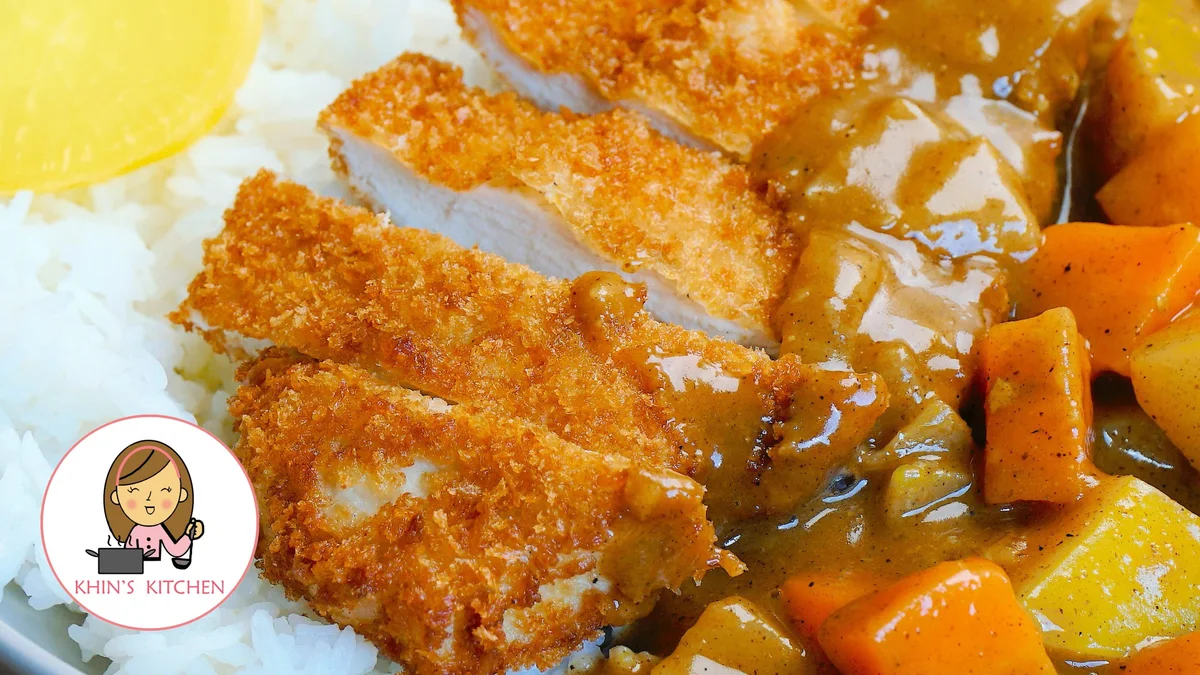
Japanese chicken katsu curry pairs crisp, breaded chicken with a gently spiced sauce of potato, carrot and onion. It makes a satisfying meal for two, with the crunchy chicken and soft vegetables offering contrasting textures.
Ingredients
- 250 gchicken breast
- 60 g (1 cup)panko breadcrumbs
- 125 g (1 cup)plain flour
- 1–2eggs
- to tastesalt
- for fryingoil
- to tasteblack pepper
- 1 tbspbutter
- 1 tbspoil
- ½ smallsweet onion, diced
- ½ tspginger paste
- 1potato, diced
- 1carrot, diced
- 1 tbspcurry powder
- ½ tsppaprika
- 2 tbspplain flour
- 240 ml (1 cup)chicken stock
- 240 ml (1 cup)water
- 1½ tbspsugar
- to tastesalt
Instructions
- 1
Cook the onion
Heat a saucepan and add the butter and oil. Stir-fry the diced onion until translucent, then add the ginger paste and stir for a few seconds.
- 2
Make the curry
Add the potato and carrot and stir for 1 minute. Mix in the curry powder and paprika, then add the plain flour and stir briefly. Pour in the chicken stock and water, add the sugar and salt to taste, and stir to combine. Cook for a few more minutes until the vegetables are tender; add a little more water if the sauce is too thick.
- 3
Season the chicken
Cut the chicken breast in half lengthways. Season both pieces with salt and black pepper.
- 4
Coat the chicken
Put the flour and panko in separate trays or bowls. Coat the chicken in plain flour and shake off the excess, dip it in whisked egg, then coat it with the breadcrumbs.
- 5
Fry and slice
Deep-fry the chicken at 175°C (350°F) until golden brown on both sides. Transfer it to a cooling rack or paper towel, then slice.
- 6
Serve the curry
Arrange the sliced chicken over steamed Japanese or jasmine rice. Pour the curry sauce to one side.
What is chicken katsu curry?
Katsu curry brings together Japanese-style curry sauce and katsu, a breaded cutlet fried until crisp. Japanese curry is commonly served with rice, while the crunchy cutlet adds a contrasting texture.
In this version, a flour-thickened sauce is cooked with potato, carrot and onion, then served beside sliced panko-coated chicken. Keeping the sauce to one side helps the coating stay crisp.
Nutrition and macros by portion
The nutrition label shows one serving as written: 869 calories, 47g protein, 118g carbs, 22g fat.
| Portion | Adjustment | kcal | Protein | Carbs | Fat |
|---|---|---|---|---|---|
| Lighter | Use less frying oil | 608 kcal | 33g | 83g | 15g |
| This serving | As written | 869 kcal | 47g | 118g | 22g |
| Hungry | Serve with extra rice | 1304 kcal | 71g | 177g | 33g |
The rice and flour coating provide most of the carbohydrates, while the chicken supplies much of the protein. Frying oil, butter and the chicken coating contribute fat; serve with a generous portion of vegetables alongside if you want to balance the plate with more produce.
The curry base
Aromatics: cooking the onion until translucent softens its flavour, and a short stir with the ginger helps distribute it through the base.
Spices and flour: briefly stirring the curry powder, paprika and flour in the pan combines them with the vegetables before the liquids go in. Add the stock and water while stirring to help form a smooth sauce.
Getting the coating right
Three-stage coating: flour gives the egg something to cling to, and the egg helps the panko adhere. Shake off excess flour before dipping so the coating does not become clumpy.
Panko: its coarse, light flakes make a craggy crust. Press the crumbs gently onto the chicken so the pieces are covered, without squeezing the coating into a dense layer.
Frying and doneness
Oil temperature: the method specifies 175°C (350°F). Keep the oil at a steady temperature so the coating can brown without taking on too much oil.
Doneness: look for an evenly golden exterior, then check the thickest part of the chicken is cooked through. A cooling rack helps keep the underside crisp; paper towel is an alternative.
Sauce texture and timing
Vegetables: cut the potato and carrot into small, evenly sized cubes so they soften at a similar pace. The sauce is ready when these pieces are tender.
Thickness: flour thickens the stock and water as the curry cooks. If the vegetables need more time or the gravy gets too thick, add a little extra water and continue cooking.
Serving the plate
Rice: serve the chicken over steamed Japanese or jasmine rice, as the method suggests. The rice catches the curry sauce and makes a base for the crisp cutlet.
Assembly: spoon the sauce to one side rather than over all the chicken. This preserves more of the panko crunch until serving.
Recipe notes & tips
- Cut the potato and carrot into similar-sized small cubes for more even cooking.
- Whisk the egg before dipping the floured chicken into it.
- Shake off excess flour before adding the egg so the crumb coating stays even.
- Let the fried chicken rest on a rack if you have one, to help keep its underside crisp.
- Keep the curry sauce beside the chicken until serving to protect the crunchy coating.
Variations
- Use vegetable stock: swap it for the chicken stock if you prefer a meat-free curry sauce.
- Adjust the sauce: add a little water if it thickens too much while the vegetables cook.
- Change the rice: serve with steamed jasmine rice, as suggested in the method.
- Add more vegetables: increase the potato or carrot in the curry while keeping the sauce method the same.
Common mistakes to avoid
- Large vegetable cubes: they may take longer to soften; cut the potato and carrot into small, even pieces.
- Too much flour on the chicken: it can make the coating uneven; shake off the excess before dipping in egg.
- Sparse breadcrumbs: bare patches can leave the crust uneven; press panko over the whole chicken piece.
- Over-thick sauce: it can be difficult to pour; stir in a little more water.
- Sauce over the cutlet: it softens the crust; serve the curry to one side.
How to store
Refrigerate leftover chicken and curry separately in covered containers and use within 2 days. Reheat the curry in a saucepan until hot throughout, and warm the chicken in an oven so the coating can crisp up again.
Frequently asked questions
Can I use vegetable stock instead of chicken stock?
Yes. The recipe specifically allows vegetable stock or water as a substitute for the chicken stock.
How do I know when the vegetables are tender?
Pierce a potato or carrot cube with a fork; it should be soft enough to pierce easily. If they are still firm, continue cooking and add a little water if the sauce is too thick.
Can I make the curry sauce ahead?
Yes, you can prepare the sauce ahead and refrigerate it. Reheat it gently, adding a splash of water if it has thickened.
How can I keep the chicken crisp?
Rest the fried chicken on a cooling rack if possible, and pour the sauce beside it rather than over the coating. Reheat leftovers in an oven rather than in the sauce.
Can I shallow-fry the chicken?
The method calls for deep-frying at 175°C (350°F). Shallow-frying would be a change to the method and may require turning the chicken carefully to brown both sides.
Cook it from the original
This recipe comes from khinskitchen.com. Their page has the author’s own photos, notes and tips — the best place to cook it from.
Open the recipe on khinskitchen.com