
Slow Cooker Pork Belly (Samgyupsal)
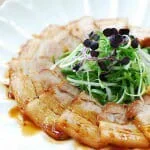
This Korean-inspired slow-cooked pork belly is finished in a soy and rice wine glaze, then sliced for wraps or served simply with scallions. Slow cooking makes the pork tender, while a quick sear adds a glossy, lightly caramelised finish.
Ingredients
- 2 to 3 pieces, each about 5–7.5 cm wide (2 to 3 inches); 1.13–1.36 kg total (2.5 to 3 pounds)fresh pork belly
- 1 mediumonion
- 1 tablespoonminced garlic
- 1 tablespoongrated ginger
- 2 teaspoonssalt
- 1 tablespoon, or use 1 more teaspoon saltdoenjang (Korean fermented soybean paste)
- ¼ teaspoonblack pepper
- 120 ml (½ cup)water or brewed coffee
- 2 tablespoons (30 ml); double the sauce quantities if serving extra saucesoy sauce
- 2 tablespoons (30 ml); double the sauce quantities if serving extra saucerice wine or dry white wine
- 4 tablespoons (60 ml), strained; double the sauce quantities if serving extra saucecooking liquid from the pork
- 1 tablespoon; double the sauce quantities if serving extra saucesugar
- 3 to 4scallions, for pachae
- A handfulradish sprouts
Instructions
- 1
Mix the seasoning
Stir the garlic, ginger, salt, doenjang and black pepper together in a small bowl.
- 2
Slow-cook pork
Halve the onion, slice each half roughly, and arrange the slices in one layer in the bottom of the slow cooker. Add 120 ml (½ cup) water or brewed coffee. Rub the seasoning over the pork belly and set it on the onion. Cook on high for 3 to 4 hours, or on low for 5 to 6 hours, until it is as tender as you like.
- 3
Glaze the pork
Mix the soy sauce, rice wine, strained cooking liquid and sugar in a small bowl. Pour the sauce into a large pan and bring it to a boil over medium heat. Use tongs to add the pork and sear each side for a minute or two, until glazed and lightly caramelised; take care not to burn the sauce.
- 4
Reduce extra sauce
If you doubled the sauce, remove the pork and boil the sauce in the same pan over medium heat until slightly thickened. If needed, adjust the salt by adding a little water.
- 5
Slice the pork
Move the meat to a chopping board and slice it thinly across the grain.
- 6
Serve with scallions
Serve with thinly sliced scallions, or with lettuce and ssamjang. If you made extra sauce, drizzle it over the pork.
- 7
Cut the scallions
For pachae, cut each scallion into pieces about 10 cm (4 inches) long, then slice each piece lengthways as thinly as possible.
- 8
Soak the scallions
Soak the sliced scallions in cold water for 5 to 10 minutes to soften their pungency, then drain them well.
What is samgyupsal?
Samgyupsal refers to pork belly in Korean cooking, often grilled and eaten in wraps. This slow-cooker version takes a gentler route to tenderness before a quick pan-sear gives the meat a savoury, browned coating.
Doenjang brings fermented depth to the seasoning, while scallions or lettuce offer a fresh contrast to the rich pork.
Nutrition and macros by portion
The nutrition label shows one serving as written: 850 calories, 15g protein, 8g carbs, 85g fat.
| Portion | Adjustment | kcal | Protein | Carbs | Fat |
|---|---|---|---|---|---|
| Lighter | More lettuce, less pork | 595 kcal | 11g | 6g | 59g |
| This serving | As written | 850 kcal | 15g | 8g | 85g |
| Hungry | Larger pork portion | 1275 kcal | 23g | 12g | 128g |
Pork belly supplies most of the calories, fat and protein, while the small amount of sugar and the onion contribute some carbohydrate. Soy sauce, salt and doenjang contribute much of the sodium. Serve a moderate amount of pork in lettuce wraps with extra scallions or other fresh vegetables to balance its richness.
The seasoning and cooking liquid
Doenjang: this fermented soybean paste seasons the pork with a deep, savoury flavour. If you do not have it, the recipe gives the option of using an additional teaspoon of salt.
Water or coffee: either works as the 120 ml cooking liquid beneath the pork. The recipe uses the resulting strained liquid in the glaze, so reserve enough for the measured sauce amount.
Getting the slow cook right
Onion base: spreading the roughly sliced onion across the bottom keeps the pork raised above the liquid as it cooks.
Tenderness: start checking at the shorter end of the cooking range. The pork is ready when it has reached the softness you want; slow cookers can vary, so use tenderness rather than the clock alone.
A quick, careful sear
Glaze: bring the sauce to a boil before adding the cooked pork, then turn the pieces with tongs so each side picks up the sauce.
Caramelisation: a minute or two per side is enough to brown and glaze the meat. Keep the sauce moving and watch the pan closely, as its sugar can burn.
Pachae and serving
Thin slices: cutting the scallions lengthways as finely as possible makes the pachae easy to pile onto a wrap. A 5 to 10 minute soak in cold water mellows their bite; drain them thoroughly before serving.
Wraps: serve the pork with lettuce and ssamjang for a hands-on meal, or keep it simple with scallions and radish sprouts. Add extra sauce at the table if you made a larger batch.
Slicing and texture
Rest the pork briefly on the chopping board so it is easier to handle, then slice across the grain for tender, easy-to-eat pieces.
The slow cooker makes the interior soft, while the short sear adds a browned outside. Avoid extending the sear just to deepen the colour, since the glaze can scorch.
Recipe notes & tips
- Pat the pork belly dry before rubbing on the seasoning so it adheres evenly.
- Strain the cooking liquid before measuring it for the sauce.
- Use kitchen tongs to turn the pork without piercing it.
- Drain the scallions well after soaking so they do not water down the wraps.
- Keep the sauce at a controlled boil and watch it closely during the sear.
Variations
- Use coffee: replace the water with brewed coffee for the slow-cooker liquid, as the recipe suggests.
- Swap the wine: use dry white wine instead of rice wine in the sauce.
- Make extra sauce: double the sauce ingredients and reduce the extra sauce after removing the pork.
- Serve as wraps: add lettuce and ssamjang alongside the pork.
- Add fresh garnish: serve with pachae and radish sprouts for a crisp contrast.
Common mistakes to avoid
- Crowding the onion layer: spread the slices across the slow-cooker base in a single layer.
- Skipping the tenderness check: use the stated time as a guide and cook until the pork reaches your preferred softness.
- Burning the glaze: keep the heat at medium and limit the sear to a minute or two per side.
- Using unstrained cooking liquid: strain it before measuring the amount for the sauce.
- Leaving scallions wet: drain them well after soaking before serving.
How to store
Refrigerate leftover pork and sauce in a covered container for up to 3 days. Reheat gently in a pan with a splash of water or sauce until hot throughout; add fresh scallions after reheating.
Frequently asked questions
Can I cook the pork on low instead?
Yes. Cook it on low for 5 to 6 hours, checking that it has reached the tenderness you want.
Can I leave out the doenjang?
The recipe suggests replacing the tablespoon of doenjang with 1 additional teaspoon of salt. The flavour will be less savoury and fermented.
What can I use instead of rice wine?
Dry white wine is the listed alternative. Use the same amount.
Do I need to make extra sauce?
No. Doubling the sauce is optional if you want extra for serving. If you do, reduce it in the pan after removing the pork.
What should I serve with the pork?
Serve it with thinly sliced scallions, or with lettuce and ssamjang. Radish sprouts are another fresh accompaniment listed in the ingredients.
How do I make the scallions less pungent?
Slice them lengthways as thinly as possible, soak them in cold water for 5 to 10 minutes, and drain them well.
Cook it from the original
This recipe comes from koreanbapsang.com. Their page has the author’s own photos, notes and tips — the best place to cook it from.
Open the recipe on koreanbapsang.com