
Instant Pot Acorn Squash
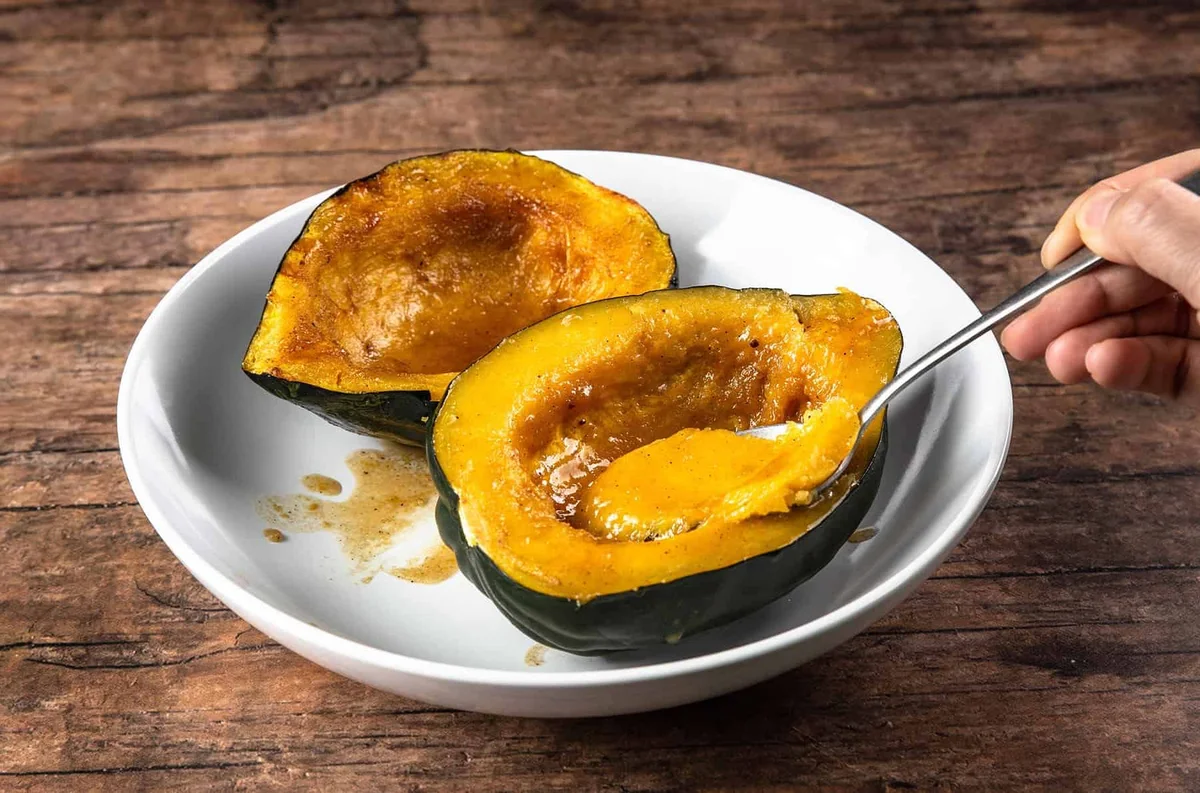
Acorn squash cooks quickly in the pressure cooker, then gets finished with a buttery maple glaze. It makes a comforting autumn side dish with tender, creamy flesh and a sweet, lightly spiced finish.
Ingredients
- 1 wholeacorn squash, halved and seeded
- 250 ml (1 cup)cold water
- 28 g (2 tablespoons)unsalted butter, melted
- 30 ml (2 tablespoons), or 25 g brown sugarmaple syrup
- A pinchsalt
- 0.3 g (⅛ teaspoon), optionalnutmeg
- To tastesalt and black pepper
Instructions
- 1
Prepare the squash
Rinse and pat the squash dry. Carefully cut it in half with a very sharp knife, then use a spoon to remove the seeds and stringy flesh. Save the seeds for roasting later if you like.
- 2
Pressure cook
Pour 250 ml (1 cup) cold water into the Instant Pot and add the trivet. Set the squash halves on the trivet and season lightly with coarse salt. Close the lid and turn the venting knob to Sealing. For a squash with a 33 cm (13-inch) circumference, cook at High Pressure for 4 minutes; for one with a 43 cm (17-inch) circumference, cook for 6–7 minutes. Let the pressure release naturally for 10 minutes, then open the lid carefully.
- 3
Mix maple butter
Melt the butter in the microwave or on the stovetop. In a small bowl, stir together the maple syrup, melted butter, a pinch of salt and the optional nutmeg. Set aside; the sauce will thicken as it cools.
- 4
Glaze and serve
Brush the maple butter sauce generously over the cooked squash and serve.
- 5
Caramelise the glaze
This step is optional. For an oven or toaster oven, place the glazed squash on a tray under the grill, or at the highest temperature setting, for a few minutes until the sauce caramelises. For an air-fryer lid, place the basket and tray on the Instant Pot’s middle rack, arrange the squash on the tray and fit the lid. Select Broil, set it to 204°C (400°F) and set the cooking time to 20 minutes; the squash takes roughly 8–11 minutes, plus preheating.
What is acorn squash?
Acorn squash is a winter squash named for its ridged, acorn-like shape. It is often served as a simple American autumn side, either roasted or cooked until tender and finished with sweet or savoury seasonings.
This pressure-cooker version shortens the cooking stage, while maple syrup and butter add a glossy, sweet-savoury finish. Nutmeg is optional, but gives the glaze a warm, fragrant note.
Nutrition and macros by portion
The nutrition label shows one serving as written: 121 calories, 1g protein, 18g carbs, 6g fat.
| Portion | Adjustment | kcal | Protein | Carbs | Fat |
|---|---|---|---|---|---|
| Lighter | Use less maple butter | 85 kcal | 1g | 13g | 4g |
| This serving | As written | 121 kcal | 1g | 18g | 6g |
| Hungry | Serve a larger half | 182 kcal | 2g | 27g | 9g |
The squash and maple syrup provide most of the carbohydrates, while the butter supplies most of the fat; the squash contributes a small amount of protein. Serve a half alongside a protein-rich main and a green vegetable to make a more balanced plate.
Preparing the squash
Cut carefully: The skin and ridges can make the squash awkward to handle, so use a stable chopping board and a sharp knife. Remove the seeds and stringy centre with a spoon before cooking.
Keep the halves intact: The recipe cooks the squash in halves on a trivet, rather than cutting it into smaller pieces. This makes it easy to glaze and serve, while the water below creates the steam for pressure cooking.
Choosing the cooking time
Smaller squash: A squash with a circumference of about 33 cm (13 inches) cooks at High Pressure for 4 minutes, followed by a 10-minute natural release.
Larger squash: For a circumference of about 43 cm (17 inches), use 6–7 minutes at High Pressure, then allow the same 10-minute natural release. The release time is part of the method, so do not open the pot as soon as the cooking timer ends.
Getting the texture right
Tender flesh: The squash should be soft enough to eat easily with a fork. If it still feels firm after cooking, the recipe does not specify an additional cooking time; check its tenderness before serving.
Handle gently: Lift the cooked halves carefully, as tender squash can break apart. A spoon is useful for serving the flesh and catching the maple butter glaze.
Making the maple butter
Melt the butter before combining it with the maple syrup, salt and optional nutmeg. Stir the glaze together in a small bowl, then set it aside while it thickens slightly as it cools.
Brush generously: Apply the sauce over the cooked squash just before serving. For a caramelised finish, use the optional grill or air-fryer-lid step after glazing.
Serving ideas
Serve the glazed halves as a side with a main course, or scoop the tender flesh onto plates. Their sweetness pairs well with savoury dishes and helps bring a seasonal feel to the meal.
For a more balanced plate, pair the squash with a protein-rich main and a green vegetable. The squash and glaze provide most of the dish’s carbohydrate and fat.
Recipe notes & tips
- Make sure the squash halves sit securely on the trivet above the water.
- Use a sharp knife and take care when cutting through the firm squash.
- Measure the squash’s circumference to choose the cooking time given in the recipe.
- Allow the full 10-minute natural release before opening the lid.
- Apply the glaze while the squash is warm so it coats the surface easily.
- Watch closely during the optional grill step, as the recipe calls for only a few minutes.
Variations
- Use brown sugar: Replace the maple syrup with 25 g brown sugar.
- Skip the nutmeg: Leave it out for a simpler buttery maple glaze.
- Add black pepper: Season the finished squash to taste for a savoury contrast.
- Roast the seeds: Save the removed seeds to roast separately if you like.
- Caramelise the glaze: Finish the glazed squash briefly under the grill or with an air-fryer lid.
Common mistakes to avoid
- Cutting with a blunt knife: Use a very sharp knife and a stable board to handle the firm squash more safely.
- Leaving the seeds in: Scrape out the seeds and stringy bits before pressure cooking.
- Choosing the wrong cooking time: Use the smaller or larger squash timing according to its circumference.
- Releasing pressure too soon: Allow 10 minutes of natural release before opening the lid.
- Overcooking the glaze: Keep a close eye on the squash under the grill, where the recipe calls for only a few minutes.
How to store
Refrigerate leftover cooked squash and maple butter sauce in a covered container and use within 3–4 days. Reheat the squash gently in the microwave or oven; warm the sauce separately if needed and spoon it over before serving.
Frequently asked questions
Do I need to peel the acorn squash?
No peeling is specified in this recipe. Cook the squash in halves and serve the flesh from the skin.
How long should I pressure cook the squash?
For a squash with a circumference of about 33 cm (13 inches), cook for 4 minutes at High Pressure; for one around 43 cm (17 inches), cook for 6–7 minutes. Follow each cooking time with a 10-minute natural release.
Can I use brown sugar instead of maple syrup?
Yes. The recipe gives 25 g brown sugar as a substitute for the 30 ml maple syrup.
Can I leave out the nutmeg?
Yes. It is optional, so you can omit it without changing the rest of the glaze.
Is caramelising the glaze necessary?
No, it is an optional finishing step. The squash can be served after brushing on the maple butter sauce.
Can I cook the squash without an Instant Pot?
The method provided relies on an Instant Pot pressure cooker. An oven or toaster oven is mentioned only for the optional caramelising step.
Cook it from the original
This recipe comes from pressurecookrecipes.com. Their page has the author’s own photos, notes and tips — the best place to cook it from.
Open the recipe on pressurecookrecipes.com