
Cacio e Pepe Recipe
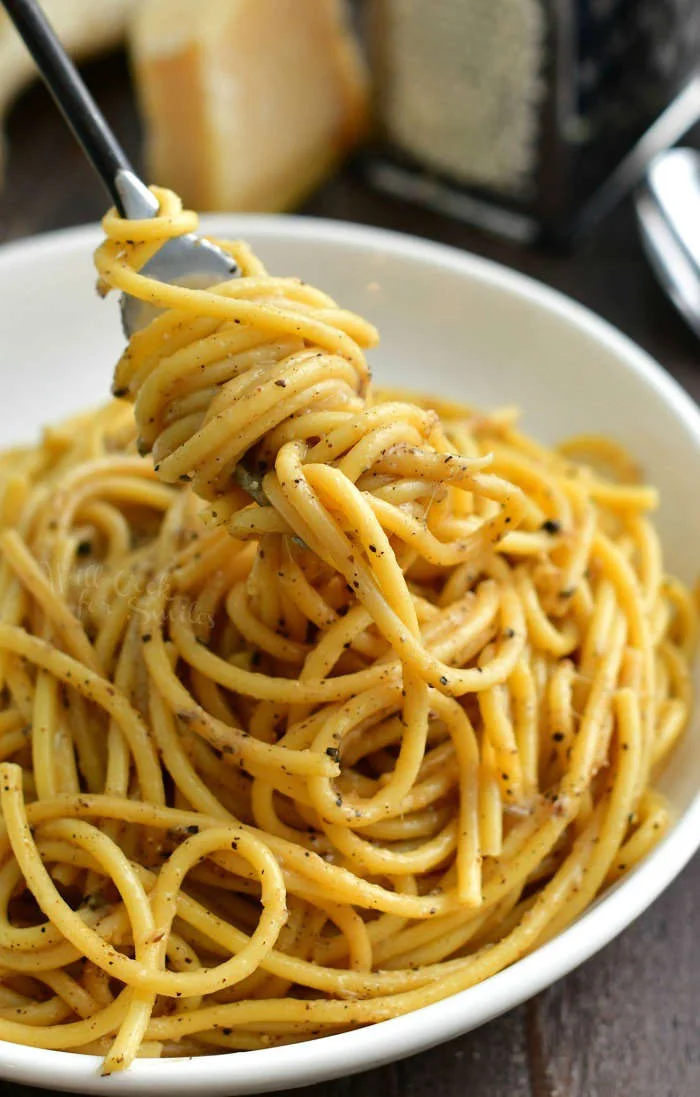
Cacio e pepe is a Roman pasta dish coated in a smooth sauce of cheese, black pepper and starchy pasta water. Bucatini makes this version satisfyingly substantial, and it comes together in about 20 minutes.
Ingredients
- 340 g (12 oz)bucatini pasta
- 7.5 ml (½ tbsp), plus a little more if you want extra spicewhole peppercorns
- 2 cups, about 170 g (6 oz)freshly grated Pecorino or Parmesan, grated by hand from a block
- 60–160 ml (¼–⅔ cup)starchy pasta cooking water
Instructions
- 1
Grate the cheese
Use the coarse, protruding holes of a box grater to grate the cheese into a fine powder. This helps it melt smoothly into the sauce. Put the grated cheese in a bowl and set it aside.
- 2
Toast the peppercorns
Warm the dry pan you will use for the pasta over a medium heat. Add the peppercorns and toast for a few minutes, shaking the pan gently so they move around and do not burn. Take them off the heat when they begin to smoke and smell aromatic. Grind them coarsely in a pepper grinder and set aside.
- 3
Cook the pasta
Cook the pasta in salted boiling water until al dente; depending on the pasta and brand, this takes 6–8 minutes. About 2 minutes before it is ready, warm a dry pan over a medium heat. Add the crushed pepper and about ½ a ladle of pasta water, then gently shake the pan to combine. Let it simmer gently. When the pasta is ready, lift it from the pot with a pasta fork into the pan, letting most, but not all, of the water drain off. Add about ½ a ladle of pasta water to the bowl of grated cheese and stir with a fork until smooth and melted, adding a little more water if needed. Scrape the cheese sauce into the pasta and toss until the pasta is evenly coated and the sauce is smooth. Serve straight away.
What is cacio e pepe?
Cacio e pepe means “cheese and pepper” in Italian and refers to a Roman pasta dish built around those two flavours. Its sauce is made by combining grated cheese with starchy pasta water rather than adding cream.
This version uses bucatini, a thick pasta with a hole through the centre, which holds on to the peppery cheese sauce. The fine-grated cheese and careful use of pasta water help create a smooth coating.
Nutrition and macros by portion
The nutrition label shows one serving as written: 515 calories, 29g protein, 66g carbs, 14g fat.
| Portion | Adjustment | kcal | Protein | Carbs | Fat |
|---|---|---|---|---|---|
| Lighter | Use less cheese | 361 kcal | 20g | 46g | 10g |
| This serving | As written | 515 kcal | 29g | 66g | 14g |
| Hungry | Serve a larger portion | 773 kcal | 44g | 99g | 21g |
The bucatini supplies most of the carbohydrates, while the cheese contributes much of the fat and protein. For a more balanced plate, serve a portion with a generous side of vegetables or salad.
Choosing the cheese
Pecorino: This sheep’s milk cheese gives the dish a savoury, distinctly tangy flavour. Grate it finely so it can blend into the sauce.
Parmesan: This is the alternative offered in the recipe, with a milder flavour. Whichever you choose, grate it fresh from a block rather than using pre-grated cheese.
Why the pasta water matters
Starchy water: The water left from cooking the pasta helps loosen and bind the cheese into a sauce. Save some before draining or lifting out the pasta.
Add gradually: The method uses about ½ a ladle with the pepper and about ½ a ladle with the cheese to start. Add a little more to the cheese if needed to get a smooth mixture.
Toast and grind the pepper
Toasting: Use a dry pan and shake it gently while the peppercorns warm. Take them off the heat when they begin to smoke and smell aromatic, before they burn.
Grinding: A coarse grind keeps the pepper noticeable in the finished pasta. Use a little more than ½ tablespoon if you prefer extra spice.
Get the timing right
Pasta: Bucatini may take 6–8 minutes to cook, depending on the brand, so follow the packet guidance and check for an al dente bite.
Pan and sauce: Start warming the pan about 2 minutes before the pasta is ready. Have the cheese grated and nearby so you can toss everything together while the pasta is hot.
Serve it simply
Cacio e pepe is best served straight away, while the sauce is smooth and clings to the pasta. A crisp green salad or lightly dressed vegetables make a fresh counterpoint to the rich cheese and pepper.
Keep accompaniments simple so the dish’s peppery, savoury flavour remains the focus.
Recipe notes & tips
- Grate the cheese very finely to help it melt into a smooth sauce.
- Shake the pan gently as the peppercorns toast to stop them scorching.
- Keep the pepper simmering gently rather than letting the cooking water evaporate quickly.
- Let most, but not all, of the water drain from the pasta as you transfer it.
- Add extra pasta water to the cheese a little at a time until the mixture is smooth.
- Toss and serve the pasta as soon as it is coated.
Variations
- Use Pecorino: Choose it for a more pronounced tangy, savoury cheese flavour.
- Use Parmesan: Swap in Parmesan for a milder cheese flavour.
- Adjust the heat: Add a few more peppercorns before toasting for a spicier result.
- Change the pasta: Use another pasta shape if bucatini is unavailable, and cook it according to its packet instructions.
- Add a salad: Serve with crisp leaves and a simple dressing for a fresh side.
Common mistakes to avoid
- Grating the cheese too coarsely: It may not melt smoothly; use the fine dust from the box grater’s rough, protruding holes.
- Burning the peppercorns: They can turn bitter; shake the pan gently and remove them when they start to smoke and smell aromatic.
- Overcooking the pasta: It can lose its firm bite; check it for al dente doneness within the stated 6–8-minute range.
- Draining away all the pasta water: The sauce needs some starchy water; lift the pasta out with a fork and let most, but not all, drip off.
- Adding too much water at once: The cheese mixture may become too loose; add the water gradually and use more only if needed.
- Letting the finished pasta stand: The sauce is best smooth and freshly tossed; serve it straight away.
How to store
This pasta is best eaten straight after cooking, when the sauce is smooth. If you have leftovers, refrigerate them in an airtight container and reheat gently with a small splash of water, stirring as the sauce loosens.
Frequently asked questions
Can I use Parmesan instead of Pecorino?
Yes. The recipe allows either freshly grated Pecorino or Parmesan; Parmesan gives a milder flavour.
Can I use pre-grated cheese?
Freshly grating cheese from a block is recommended here. A fine grate helps it melt into the pasta water more smoothly.
How do I know when the pasta is al dente?
Taste a strand near the end of cooking. It should be cooked through but still have a slight firmness in the centre.
How much pasta water should I add?
Start with about ½ a ladle in the pan with the pepper and about ½ a ladle in the cheese bowl. Add a little more to the cheese mixture if it needs help becoming smooth.
Why has my cheese sauce gone lumpy?
The cheese may not have been grated finely enough or mixed thoroughly with the pasta water. Grate it to a fine powder and stir the water in until smooth before tossing it with the pasta.
Can I make cacio e pepe ahead?
It is best assembled and served immediately so the cheese sauce stays smooth. You can grate the cheese and toast and grind the pepper ahead of time.
Cook it from the original
This recipe comes from willcookforsmiles.com. Their page has the author’s own photos, notes and tips — the best place to cook it from.
Open the recipe on willcookforsmiles.com