
Gingerbread Cookies Recipe
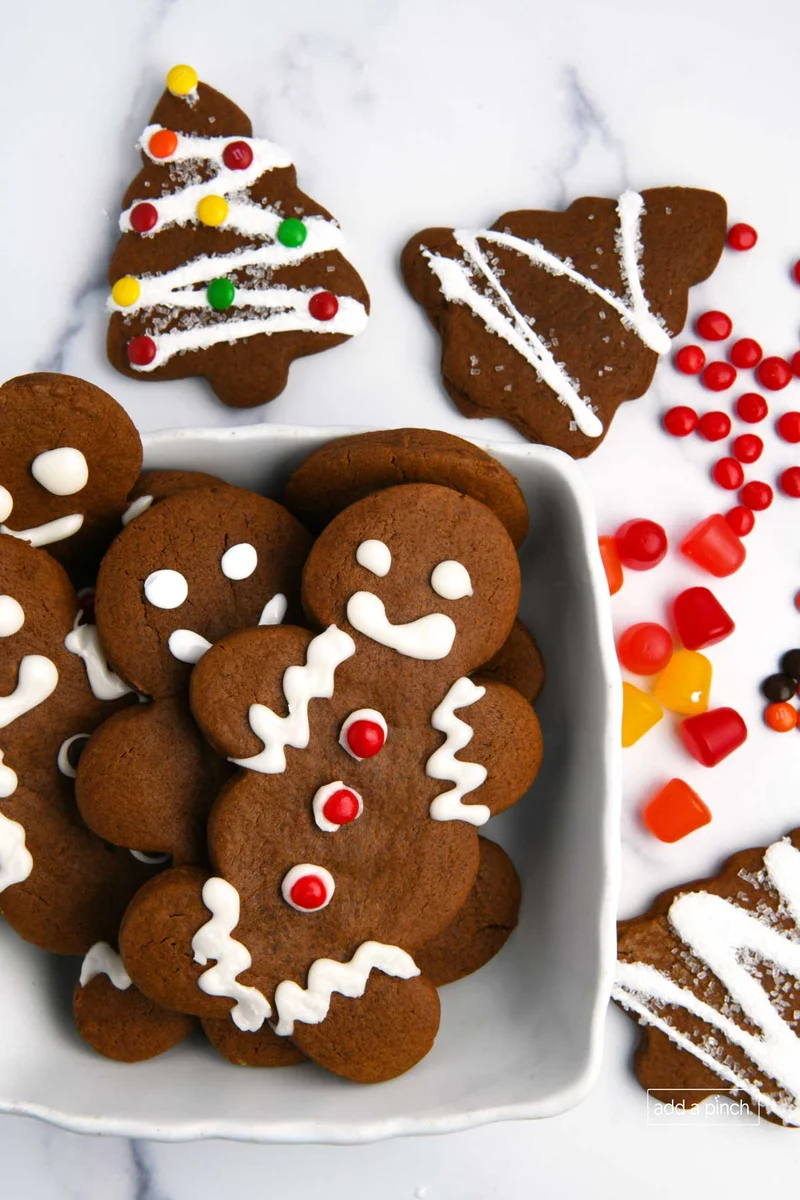
These American-style gingerbread cookies have warm spice, soft centres and crisp edges, with plenty of room for festive decorating. Chill the dough before rolling and cutting it into shapes for a classic Christmas baking project.
Ingredients
- 227 g (1 cup)unsalted butter, softened
- 200 g (1 cup, packed)brown sugar, light or dark
- 255 g (¾ cup)molasses
- 1 teaspoonkosher salt
- 2 teaspoonsground cinnamon
- 2 teaspoonsground ginger
- ¼ teaspoonground cloves
- ¼ teaspoonespresso powder
- ½ teaspoonvanilla extract
- 1 largeegg, at room temperature
- 1 teaspoonbaking powder
- ½ teaspoonbicarbonate of soda
- 420 g (3½ cups)plain flour, spooned into the cup and levelled
- Optional, to tasteicing sugar
Instructions
- 1
Cream butter and sugar
Beat the softened butter and brown sugar together until fluffy, about 3–5 minutes. Mix in the molasses until combined, then add the salt, cinnamon, ginger, cloves, espresso powder, vanilla and egg, and beat until well combined.
- 2
Mix in flour
Whisk the baking powder and bicarbonate of soda into the flour. Gradually stir the dry ingredients into the molasses mixture.
- 3
Chill the dough
Divide the dough in half and wrap each piece well. Refrigerate for at least 1 hour and up to overnight.
- 4
Prepare the oven
Heat the oven to 177°C (350°F). Line baking sheets with baking parchment or a silicone baking mat.
- 5
Roll the dough
Take one piece of chilled dough from the refrigerator and roll it to 1.3 cm (½ inch) thick. If it sticks, dust the work surface and rolling pin with icing sugar.
- 6
Cut the shapes
Use cookie cutters to cut shapes from the dough and place them on the prepared baking sheets.
- 7
Bake and cool
Bake for about 12 minutes, until the edges are lightly browned and the cookies feel firm. Leave them to cool completely before decorating, if you like.
What are gingerbread cookies?
Gingerbread cookies are spiced biscuits made with ginger and often molasses, a combination associated with Christmas baking in the United States. They are commonly cut into festive shapes and decorated once cool.
This version uses cinnamon and cloves alongside ginger, while a little espresso powder adds depth to the spice mixture. The recipe aims for soft, chewy centres and lightly crisp edges.
Nutrition and macros by portion
The nutrition label shows one serving as written: 134 calories, 1g protein, 20g carbs, 5g fat.
| Portion | Adjustment | kcal | Protein | Carbs | Fat |
|---|---|---|---|---|---|
| Lighter | Smaller cookies, less icing | 94 kcal | 1g | 14g | 4g |
| This serving | As written | 134 kcal | 1g | 20g | 5g |
| Hungry | Larger cookie portion | 201 kcal | 2g | 30g | 8g |
The flour and brown sugar provide most of the carbohydrates, while butter contributes much of the fat. The egg adds a little protein; serve a couple of cookies with yoghurt or a glass of milk if you want a more substantial snack.
Building the dough
Creaming: Beat the butter and sugar for the full 3–5 minutes so the mixture becomes fluffy before the wetter ingredients go in.
Molasses: Mix it in thoroughly, then add the egg and flavourings. Room-temperature egg is easier to incorporate evenly into the butter mixture.
Why the dough needs chilling
Chilling: The dough rests for at least 1 hour, or up to overnight, before rolling. This step is part of the method, so allow for it even though the stated total time is 20 minutes.
Handling: Work with one chilled half at a time and keep the other wrapped in the refrigerator. If the dough feels sticky, use a light dusting of icing sugar on the worktop and rolling pin.
Rolling and cutting
Thickness: Roll the dough to 1.3 cm (½ inch), as specified, for substantial cookies. Try to keep the thickness even so the shapes bake at a similar rate.
Shapes: Cut close together to make good use of the dough, then transfer the shapes carefully to the lined trays. Gather and reroll scraps as needed.
How to tell when they are done
Edges: Start checking at about 12 minutes. The edges should be lightly browned, and the cookies should feel firm when touched.
Cooling: Let the cookies cool completely before decorating. They can feel soft when first out of the oven, so handle them gently while they set.
Decorating and serving
Finish: Icing sugar is optional; use it for a simple dusting or as the base for a thicker icing if desired. Make sure the biscuits are fully cool before adding any decoration.
Pairing: Serve them with tea, coffee or a mug of hot chocolate. Their warm spice also works well alongside other festive biscuits on a sharing plate.
Recipe notes & tips
- Measure the flour by spooning it into the cup and levelling it, rather than packing it down.
- Use room-temperature butter and egg to help the dough mix evenly.
- Keep the unused dough wrapped and chilled while you roll and cut the first half.
- Use icing sugar rather than extra flour to dust the work surface if the dough sticks.
- Let the cookies cool completely before decorating so the finish does not melt or slide.
Variations
- Extra ginger: Add a little more ground ginger for a stronger ginger flavour.
- Citrus note: Add finely grated orange zest to the butter mixture for a bright, fragrant accent.
- Simple finish: Dust the cooled cookies with icing sugar instead of decorating them.
- Chocolate dip: Dip one edge of each cooled cookie in melted chocolate and let it set.
- Mixed shapes: Use cutters in different sizes, checking smaller cookies earlier as they may bake faster.
Common mistakes to avoid
- Skipping the chill: The dough is meant to rest for at least 1 hour; chilling makes it easier to handle and cut.
- Adding too much flour: Packed flour can make the dough dry; spoon it into the cup and level it.
- Rolling unevenly: Thick and thin areas bake differently; aim for an even 1.3 cm thickness.
- Overbaking: The cookies can lose their soft centres; take them out when the edges are lightly browned and they feel firm.
- Decorating while warm: Icing can melt on warm cookies; wait until they have cooled completely.
How to store
Once fully cool, store the cookies in an airtight container at room temperature for up to 1 week. Freeze baked cookies in a sealed container for up to 3 months and thaw at room temperature; reheating is not necessary.
Frequently asked questions
Can I make the dough ahead?
Yes. Wrap the divided dough well and refrigerate it for up to overnight, as directed. Let it sit briefly at room temperature if it is too firm to roll.
Why is the dough sticky?
Molasses makes this dough naturally tacky. Chill it as instructed and dust the work surface and rolling pin lightly with icing sugar if needed.
Can I use light or dark brown sugar?
Yes. The recipe allows either; dark brown sugar will give the cookies a deeper, more pronounced flavour.
How do I know when the cookies are baked?
Bake for about 12 minutes, looking for lightly browned edges and cookies that feel firm. They will continue to settle as they cool.
Can I decorate them with icing?
Yes. The recipe suggests decorating after the cookies have cooled completely. Icing sugar is also listed as an optional ingredient.
Cook it from the original
This recipe comes from addapinch.com. Their page has the author’s own photos, notes and tips — the best place to cook it from.
Open the recipe on addapinch.com