
Blackened Shrimp
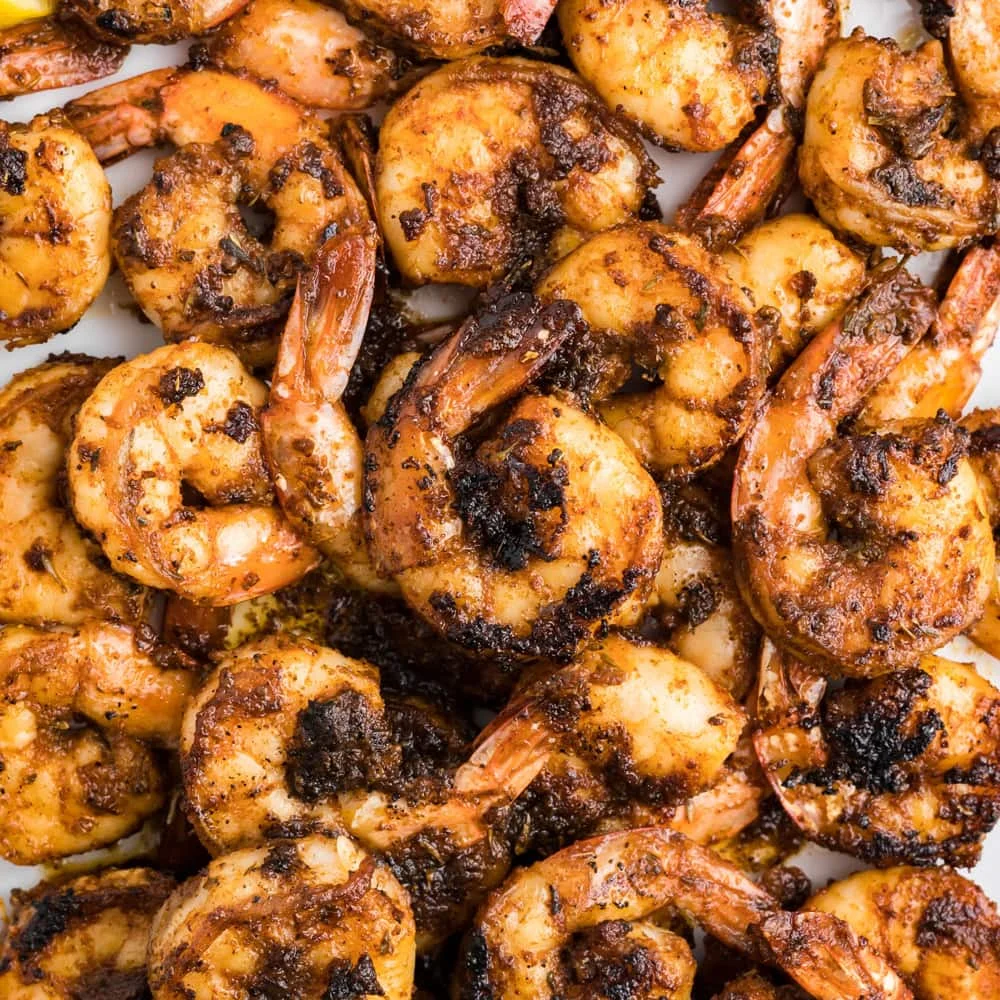
Blackened shrimp is a quick Cajun-inspired skillet dish coated in a bold blend of paprika, herbs and spices. It cooks in minutes and works well as a simple main or tucked into tacos, rice bowls or salads.
Ingredients
- 454 g (1 pound)raw shrimp, thawed, peeled, deveined and tails left on
- 15 ml (1 tablespoon)paprika
- 5 ml (1 teaspoon)garlic powder
- 5 ml (1 teaspoon)onion powder
- 2.5 ml (1/2 teaspoon)cayenne pepper
- 2.5 ml (1/2 teaspoon)dried thyme
- 2.5 ml (1/2 teaspoon)dried oregano
- 1.25 ml (1/4 teaspoon)salt
- 1.25 ml (1/4 teaspoon)ground black pepper
- 45 ml (3 tablespoons)extra virgin olive oil
- Optional, to tastefresh lemon and parsley
Instructions
- 1
Dry the shrimp
Pat the shrimp completely dry and set them aside.
- 2
Mix the seasoning
In a small bowl, stir together the paprika, garlic powder, onion powder, cayenne, thyme, oregano, salt and black pepper.
- 3
Coat the shrimp
Toss the shrimp with the seasoning mixture until they are coated all over.
- 4
Heat the skillet
Heat a skillet over medium-high heat, to 190–205°C (375–400°F). It is ready when a drop of water sizzles and evaporates. Drizzle the olive oil over the hot pan.
- 5
Cook the first side
Arrange the shrimp in a single layer and cook for 2 minutes. Press them down with a spatula, then peek beneath one shrimp to check for a blackened finish.
- 6
Flip and finish
Turn the shrimp and cook for 2 more minutes, or until the internal temperature reaches 49°C (120°F).
- 7
Serve the shrimp
Remove the shrimp from the pan and serve with fresh lemon and parsley, if desired.
What is blackened shrimp?
Blackening is a Cajun-style approach in which food is coated with a spice mixture and cooked in a hot pan until the outside is deeply browned. It is the seasoning crust—not a burnt exterior—that gives this shrimp its characteristic dark colour and bold flavour.
This version uses paprika, dried herbs and a measured amount of cayenne, with a short skillet cook that suits shrimp’s quick cooking time.
Nutrition and macros by portion
The nutrition label shows one serving as written: 200 calories, 23g protein, 2g carbs, 11g fat.
| Portion | Adjustment | kcal | Protein | Carbs | Fat |
|---|---|---|---|---|---|
| Lighter | Use less olive oil | 140 kcal | 16g | 1g | 8g |
| This serving | As written | 200 kcal | 23g | 2g | 11g |
| Hungry | Serve with extra rice | 300 kcal | 35g | 3g | 17g |
Shrimp supplies most of the protein, while olive oil accounts for most of the fat; the spices contribute only a small amount of carbohydrate. Pair a serving with vegetables and a portion of rice or another grain for a more rounded plate.
The seasoning blend
Paprika: it provides the base colour and a rounded pepper flavour. Garlic and onion powders add savoury depth without adding moisture to the coating.
Herbs and heat: thyme and oregano bring an earthy note, while cayenne supplies the kick. The small amounts of salt and black pepper round out the blend.
Dry shrimp for better browning
Dry surface: pat the shrimp thoroughly before seasoning, so excess water does not pool in the skillet. This helps the spice coating meet the hot pan directly.
Even coating: toss until the seasoning reaches all sides. If the shrimp are wet, the spices can clump rather than form an even layer.
Get the pan hot
Hot skillet: the recipe calls for medium-high heat, around 190–205°C (375–400°F). The water-drop test is its cue for readiness; keep your hands clear of the pan when checking.
Room to cook: arrange shrimp in a single layer so they have contact with the pan. If they do not fit without crowding, cook them in batches.
Watch the doneness
First side: cook for 2 minutes, pressing the shrimp with a spatula as directed, and check beneath one for the darkened crust. Pan heat and shrimp size can affect how quickly this happens.
Second side: flip and cook for another 2 minutes, using the recipe’s internal temperature cue of 49°C (120°F). Shrimp are small, so avoid leaving them in the pan once they reach the desired doneness.
Serve it with
Fresh finish: lemon and parsley are optional, but a squeeze of lemon adds a bright contrast to the spice blend. Serve the shrimp straight from the skillet while hot.
On the plate: pair them with rice, a salad or cooked vegetables for a fuller meal. They can also be used as a filling for tacos or added to a grain bowl.
Recipe notes & tips
- Thaw frozen shrimp fully and remove excess surface moisture before seasoning.
- Mix the spices together before adding them to the shrimp for a more even coating.
- Have the lemon and parsley ready before the shrimp go into the hot skillet.
- Cook in batches if needed to keep the shrimp in a single layer.
- Use a spatula to press the shrimp gently against the pan as they cook.
Variations
- Milder heat: reduce the cayenne for a gentler spice level.
- Extra cayenne: add more cayenne if you prefer a hotter seasoning.
- Citrus finish: serve with extra fresh lemon for a brighter flavour.
- Herb finish: add more fresh parsley at the table.
- Bowl meal: serve the shrimp over rice with vegetables.
Common mistakes to avoid
- Wet shrimp: pat them completely dry so excess moisture does not interfere with browning.
- Crowded skillet: cook in batches if the shrimp will not fit in a single layer.
- Cool pan: wait for the skillet to reach medium-high heat before adding the oil and shrimp.
- Uneven seasoning: toss the shrimp until the spice mixture coats all sides.
- Overcooking: follow the short cooking times and check the shrimp as they finish.
How to store
Refrigerate leftover shrimp in a sealed container and use within 2 days. Reheat gently in a skillet until warmed through; prolonged heating can make shrimp tough.
Frequently asked questions
Can I use frozen shrimp?
Yes. Thaw them first, then peel and devein if needed, and pat them thoroughly dry before seasoning.
Can I leave the tails on?
Yes. This recipe keeps the tails on, but you can remove them if you prefer shrimp that are easier to eat in a bowl or taco.
How can I tell when the shrimp are done?
Follow the recipe’s timing and temperature cue, and check that the shrimp are cooked through. Take care not to leave them in the hot pan longer than needed.
Can I make the seasoning less spicy?
Yes. Reduce the cayenne pepper or leave it out for a milder result.
What can I serve with blackened shrimp?
Try rice, a salad or cooked vegetables. The shrimp also work in tacos or grain bowls.
Cook it from the original
This recipe comes from yellowblissroad.com. Their page has the author’s own photos, notes and tips — the best place to cook it from.
Open the recipe on yellowblissroad.com