
French omelette
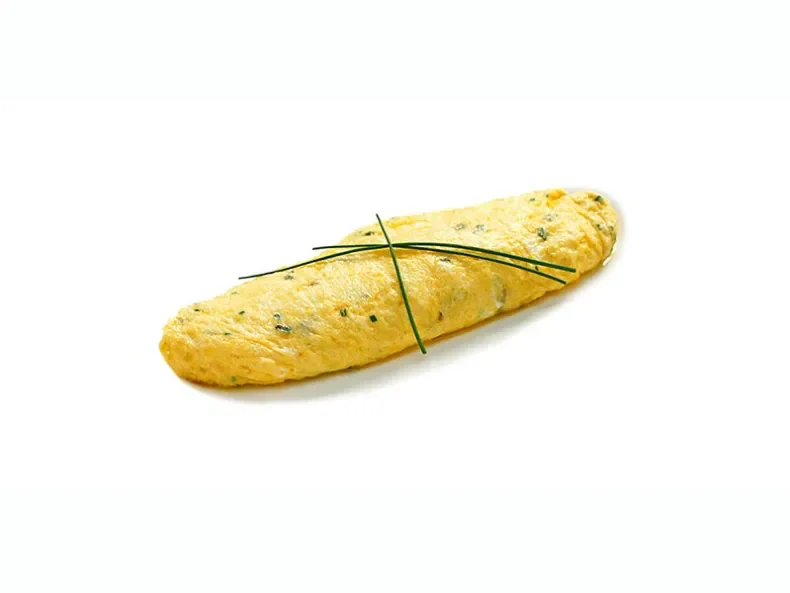
A simple omelette made with fresh eggs, olive oil and salt. With so few ingredients, the quality of the eggs and careful cooking make all the difference.
Ingredients
- 2fresh, organic or free-range XL eggs
- 15 mlextra-virgin olive oil
- to tastesalt
Instructions
- 1
Review the guidance
Review the ten-point guide and proceed accordingly.
- 2
Break the eggs
Crack the eggs to make your omelette.
What is a French omelette?
A French omelette is a simple egg dish associated with French cooking, while this recipe is categorised as Spanish cuisine. Its short ingredient list puts the focus on the eggs, olive oil and the cook’s technique.
This version calls for fresh XL eggs and extra-virgin olive oil. The supplied method is very brief, so it does not specify how to beat, cook or fold the omelette.
Nutrition and macros by portion
The nutrition label shows one serving as written: 300 calories, 12g protein, 1g carbs, 26g fat.
| Portion | Adjustment | kcal | Protein | Carbs | Fat |
|---|---|---|---|---|---|
| Lighter | Use less olive oil | 210 kcal | 8g | 1g | 18g |
| This serving | As written | 300 kcal | 12g | 1g | 26g |
| Hungry | Add a side salad | 450 kcal | 18g | 2g | 38g |
The eggs provide most of the protein and some of the fat, while the olive oil accounts for much of the fat. The recipe contains very little carbohydrate; serve it with vegetables or a slice of bread if you want a more rounded plate.
Choosing the ingredients
Eggs: Fresh organic or free-range XL eggs are the main ingredient here. The recipe gives no substitute or size adjustment.
Olive oil: The full 15 ml is included in the ingredient list. The method does not say when to add it.
Salt: Add it to taste, as the recipe specifies. No amount is given.
The method supplied
Ten-point guide: The first instruction asks you to review a ten-point guide, but no guide is included in the recipe details provided here.
Cracking the eggs: The second instruction is to break the eggs for the omelette. It does not give directions for whisking or cooking them.
Texture and doneness
The description highlights technique, but the recipe does not state a preferred texture or give a doneness cue. It also provides no pan size, heat level or cooking time.
Those details are important for reproducing a particular style of omelette, so follow the original publisher’s full instructions if available.
Timing and preparation
No total time or cooking duration is supplied. Set aside time to prepare the ingredients, but the recipe itself does not give a reliable timing estimate.
The method also does not say whether to beat the eggs with the salt or when to heat the oil.
Serving the omelette
Serve the omelette soon after cooking; the supplied method does not include a resting or holding step. A simple salad or bread can make it part of a fuller meal.
Those accompaniments are serving suggestions rather than ingredients in this recipe.
Recipe notes & tips
- Use eggs that are fresh and in good condition.
- Measure the olive oil rather than pouring it freely.
- Season with salt to taste, since no precise amount is given.
- Check the original publisher’s full ten-point guide before cooking.
- The supplied instructions do not specify the pan, heat or cooking time, so consult the full method for those details.
Variations
- Fresh herbs: Add chopped herbs if the full method allows additions.
- Black pepper: Season with a little pepper for a sharper flavour.
- Soft cheese: Add a small amount of cheese for a richer omelette.
- Sautéed vegetables: Serve with cooked vegetables for extra variety.
- Simple side: Pair with a green salad for a fresh accompaniment.
Common mistakes to avoid
- Assuming the missing guide: The ten-point guide is not included here, so consult the publisher’s full instructions.
- Guessing the cooking time: No time is supplied; use the full method rather than relying on an invented duration.
- Adding unlisted ingredients: The recipe lists only eggs, olive oil and salt, so treat additions as variations.
- Over-seasoning: Salt is listed to taste, so start modestly and adjust as needed.
- Expecting a doneness cue: None is specified in the method; check the complete recipe for the intended finish.
How to store
For the best texture, eat the omelette shortly after cooking. If you have leftovers, refrigerate them promptly in a covered container and use within 1–2 days; reheat gently until hot throughout.
Frequently asked questions
How many eggs does the recipe use?
It uses 2 fresh XL eggs, described as organic or free-range.
How much olive oil should I use?
The ingredient list specifies 15 ml of extra-virgin olive oil.
How much salt should I add?
Salt is listed as to taste, with no measured quantity.
How long does the omelette take to cook?
The recipe provides no cooking time or total time.
What does the first instruction mean?
It asks you to review a ten-point guide, but that guide is not included in the supplied recipe details.
Can I make this without olive oil?
Olive oil is part of the recipe, and no replacement is specified. Changing or omitting it would alter the recipe.
Cook it from the original
This recipe comes from Koketo. Their page has the author’s own photos, notes and tips — the best place to cook it from.
Open the recipe on koketo.es