
Pad thai de verduras
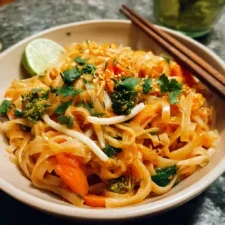
Ingredientes
- 3 tbsp Tamarind Concentrate/Paste: This is the non-negotiable soul of Pad Thai, providing its signature sour and tangy flavor. Look for a thick, dark paste, often sold in a plastic tub or jar.
- 3 tbsp Soy Sauce: Provides the salty, umami backbone. For a gluten-free version, tamari is a perfect substitute.
- 1 tbsp Rice Vinegar: Adds a layer of bright, clean acidity that helps balance the sweetness.
- 4 tbsp Light Brown Sugar or Coconut Sugar: This is crucial for balancing the sourness of the tamarind. You can adjust the amount based on the sourness of your tamarind paste and your personal preference.
- 1 tsp Sriracha or Chili Garlic Sauce (Optional): For those who enjoy a gentle hum of heat. Feel free to add more or less to your liking.
- 2 tbsp Water: Helps to thin the sauce to the perfect consistency for coating the noodles.
- 8 oz Dried Flat Rice Noodles: The classic choice for Pad Thai. Look for noodles that are about 1/4-inch wide, sometimes labeled as “Pad Thai” or “Chantaboon” noodles.
- 1 tbsp Avocado Oil or other high-heat neutral oil: Used for frying the tofu and sautéing the aromatics. Its high smoke point makes it ideal.
- 1 block (14-16 oz) Extra-Firm Tofu: Pressed and cut into bite-sized cubes. Pressing the tofu is key to achieving a firm, crispy texture.
- 3 cloves Garlic: Finely minced. This forms the aromatic base of the dish.
- 1 large Shallot: Thinly sliced. Shallots provide a milder, sweeter flavor than onions that is perfect for this dish.
- 2 cups Fresh Bean Sprouts: Divided. One cup is cooked into the dish for a tender-crisp texture, and the other cup is reserved for a fresh, crunchy garnish.
- 1 large Carrot: Peeled and julienned or cut into thin matchsticks.
- 1 Red Bell Pepper: Thinly sliced. Adds a beautiful color and a sweet, crisp flavor.
- 4 Scallions or a small bunch of Garlic Chives: Cut into 2-inch pieces. Garlic chives are more traditional and offer a delicate garlicky flavor.
- 1/2 cup Unsalted Roasted Peanuts: Roughly chopped. This adds an essential nutty flavor and crunchy texture.
- 1 Lime: Cut into wedges for serving. A fresh squeeze of lime juice at the end brightens up all the flavors.
- Fresh Cilantro: A handful of fresh leaves for a burst of herbaceous flavor.
- Red Pepper Flakes: For those who want to add an extra kick of spice at the table.
Preparación
- 1
The magic of Pad Thai happens quickly, so it’s essential to have all your ingredients prepped and ready to go before you even think about turning on the stove. This concept, known as “mise en place,” is your key to success.
- 2
--- Step 1: Prepare the Pad Thai Sauce ---
- 3
In a small bowl, combine all the sauce ingredients: tamarind concentrate, soy sauce, rice vinegar, brown sugar, optional sriracha, and water. Whisk everything together vigorously until the sugar is fully dissolved and the sauce is smooth and uniform. The consistency should be slightly thinner than maple syrup. Taste the sauce and adjust if necessary. If it’s too sour, add a little more sugar. If it’s too sweet, a tiny splash more of rice vinegar or lime juice can balance it out. Set the sauce aside.
- 4
--- Step 2: Prepare the Noodles ---
- 5
Place the dried rice noodles in a large, heatproof bowl. Bring a kettle or pot of water to a boil, then pour the hot water over the noodles, ensuring they are fully submerged. Let the noodles soak according to the package directions, which is typically between 6 to 10 minutes. The goal is for them to be pliable and softened, but still firm with a slight bite (al dente). They will finish cooking in the pan later. Over-soaking will result in gummy noodles. Once they reach the right texture, drain them immediately in a colander and rinse briefly with cold water to stop the cooking process and prevent them from sticking. Set aside.
- 6
--- Step 3: Cook the Tofu ---
- 7
While the noodles are soaking, you can cook your protein. Ensure your tofu has been pressed for at least 30 minutes to remove excess water. Heat the 1 tablespoon of oil in a large wok or a heavy-bottomed, non-stick skillet over medium-high heat. The pan should be hot enough that a drop of water sizzles instantly. Carefully add the cubed tofu in a single layer, being careful not to crowd the pan (cook in two batches if necessary). Fry for 5-7 minutes, turning occasionally, until the tofu is golden brown and crispy on all sides. Remove the cooked tofu from the pan and set it aside on a plate.
- 8
--- Step 4: Sauté the Aromatics and Vegetables ---
- 9
Add a tiny bit more oil to the same wok or skillet if it looks dry. Add the minced garlic and sliced shallots to the pan and sauté for about 30-60 seconds, until they are fragrant and the shallots begin to soften. Be careful not to burn the garlic. Add the julienned carrots and sliced red bell pepper to the pan. Stir-fry for 2-3 minutes. You want the vegetables to become tender-crisp, retaining a bit of their bite and vibrant color.
- 10
--- Step 5: Combine and Finish the Dish ---
- 11
Push the vegetables to one side of the wok. Add the drained noodles to the empty side of the pan. Pour your prepared Pad Thai sauce directly over the noodles. Using tongs, gently toss the noodles in the sauce for about 1-2 minutes, allowing them to absorb the flavor and finish cooking. Once the noodles are evenly coated, mix them in with the vegetables.
- 12
--- Step 6: The Final Toss ---
- 13
Add the cooked tofu, 1 cup of the bean sprouts, and the cut scallions (or garlic chives) to the wok. Continue to toss everything together vigorously for another 1-2 minutes, until the bean sprouts are slightly wilted but still crunchy and everything is well-combined and heated through. The sauce should cling to the noodles without being watery.
- 14
--- Step 7: Serve Immediately ---
- 15
Remove the wok from the heat. Divide the Vegetable Pad Thai among serving plates. Garnish generously with the chopped roasted peanuts, fresh cilantro, and a lime wedge on the side. Serve immediately while hot.
Cocínala con la receta original
Esta receta es de betterhomerecipes.com. En su web tienes las fotos, las notas y los consejos del autor: es el mejor sitio para cocinarla.
Ver la receta en betterhomerecipes.com