
Rollitos de papel de arroz con verduras
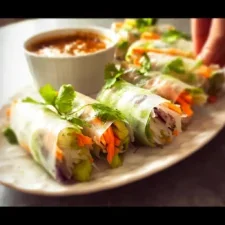
Ingredientes
- 12-15 sheets of Rice Paper (round, 8.5-inch diameter): These are the delicate, translucent wrappers that will encase our fresh fillings. They are brittle when dry but become soft and pliable when dipped in water.
- 100 g (about 3.5 oz) Rice Vermicelli Noodles: These thin, delicate noodles provide a soft, satisfying textural contrast to the crunchy vegetables and form the hearty base of the rolls.
- 1 large Carrot, julienned: Thinly sliced into matchsticks, the carrot adds a beautiful vibrant orange color, a subtle sweetness, and a fantastic, crisp crunch.
- 1 large Cucumber, julienned: With its high water content and fresh flavor, julienned cucumber provides a cool, refreshing element and a satisfying snap in every bite.
- 1 Red Bell Pepper, julienned: Offering a sweet, slightly fruity flavor and a brilliant splash of red, the bell pepper adds both visual appeal and a juicy crunch.
- 1 cup shredded Romaine or Butter Lettuce: This forms a soft bed for the other ingredients, preventing the sharper veggies from tearing the delicate rice paper.
- 1 cup fresh Mint Leaves: A non-negotiable for authentic flavor, mint provides bright, cooling aromatic notes that cut through the richness of the sauce.
- 1 cup fresh Cilantro Leaves: With its distinct, zesty, and slightly citrusy flavor, cilantro adds a layer of freshness that is characteristic of Southeast Asian cuisine.
- 1 Avocado, thinly sliced: This adds a wonderful creamy texture and healthy fats, creating a luxurious mouthfeel that complements the other ingredients perfectly.
- Optional Protein: 1 block (14 oz) firm Tofu, pressed and sliced, or 1 cup cooked Edamame: For a more substantial and protein-packed roll, you can add pan-seared tofu slices or vibrant green edamame.
- 1/2 cup Creamy Peanut Butter: This is the heart of the sauce, providing a rich, nutty, and savory base. Use a natural, unsweetened variety for the best flavor control.
- 3 tablespoons Soy Sauce (or Tamari for gluten-free): Adds the essential salty, umami depth to the sauce, balancing the sweetness and richness of the peanut butter.
- 2 tablespoons Maple Syrup (or Honey): Provides a touch of sweetness to counteract the saltiness and acidity, creating a perfectly balanced flavor profile.
- 1 tablespoon Rice Vinegar: This adds a mild, tangy acidity that brightens up the entire sauce and cuts through the richness of the peanut butter.
- 1 clove Garlic, minced: A small amount of fresh garlic infuses the sauce with a pungent, aromatic kick.
- 1 teaspoon fresh Ginger, grated: Adds a warm, zesty spice that beautifully complements the other flavors.
- 2-4 tablespoons Hot Water: Used to thin the sauce to the perfect dipping consistency. Start with two and add more as needed until it’s smooth and pourable but still thick enough to cling to the rolls.
- Optional Garnish: 1 tablespoon Crushed Peanuts and a pinch of Red Pepper Flakes: For added texture and a little bit of heat.
Preparación
- 1
Cook the Vermicelli Noodles: Bring a medium pot of water to a boil. Add the rice vermicelli noodles and cook according to the package directions, which is typically only 2-3 minutes. They are done when they are tender but still have a slight chew. Immediately drain the noodles and rinse them thoroughly under cold running water. This crucial step stops the cooking process and washes away excess starch, preventing them from becoming gummy and sticking together. Set aside in a colander to drain completely.
- 2
Prepare the Vegetables and Herbs: While the noodles are cooking, this is the perfect time to prepare your fresh ingredients. Wash and dry all your vegetables and herbs. Julienne the carrot, cucumber, and red bell pepper into thin, uniform matchsticks about 2-3 inches long. Shred the lettuce. Pick the mint and cilantro leaves from their stems. Thinly slice the avocado. If you are using tofu, press it to remove excess water, slice it into thin strips, and lightly pan-sear it until golden. Arrange all your prepared ingredients on a large platter or in separate bowls. This organized setup will make the assembly process efficient and enjoyable.
- 3
Make the Peanut Dipping Sauce: In a medium bowl, combine the creamy peanut butter, soy sauce (or tamari), maple syrup, rice vinegar, minced garlic, and grated ginger. The mixture will be very thick at this point. Whisk everything together until it’s well combined. Now, begin adding the hot water, one tablespoon at a time, whisking continuously after each addition. Continue adding water until the sauce reaches your desired consistency—it should be smooth, pourable, and creamy, but not watery. You want it to coat the back of a spoon. Taste and adjust seasonings if necessary. You might want a little more soy sauce for saltiness or maple syrup for sweetness. Transfer to a serving bowl and garnish with crushed peanuts and red pepper flakes if desired.
- 4
Set Up Your Rolling Station: This is the most important step for a seamless experience. Fill a large, shallow dish (a pie plate or a large skillet works perfectly) with warm water. This water should be warm to the touch, not hot, as hot water will make the wrappers too sticky and fragile. Place your dish of water next to a clean, flat work surface. A large wooden cutting board or a damp, clean tea towel works best as the rice paper is less likely to stick to these surfaces than to a smooth countertop. Arrange your platter of prepared fillings within easy reach.
- 5
Hydrate the Rice Paper: Take one sheet of rice paper and fully submerge it in the warm water for about 15-20 seconds. You are looking for it to become soft and pliable, but not completely limp or mushy. It will continue to soften even after you remove it from the water. Carefully lift the pliable wrapper out of the water, letting any excess water drip off, and lay it flat on your prepared work surface.
- 6
Layer the Fillings: Imagine the wrapper is a clock face. On the bottom third of the wrapper (closest to you, around the 6 o’clock position), place a small handful of the shredded lettuce first. This acts as a protective barrier. Then, layer a small amount of the rice noodles, a few strips of carrot, cucumber, and red bell pepper on top of the lettuce. Add 3-4 mint leaves, a few sprigs of cilantro, and a couple of slices of avocado. Be careful not to overfill the roll; a common mistake that leads to tearing. About 2-3 tablespoons of filling in total is a good starting point.
- 7
Roll it Up Tightly: Now for the rolling technique, which is very similar to rolling a burrito. First Fold: Take the bottom edge of the rice paper (the edge closest to you) and fold it up and over the filling, tucking it in snugly.
- 8
Fold the Sides: Fold the left and right sides of the wrapper in towards the center. This will enclose the filling completely.
- 9
Final Roll: Continue rolling the entire package away from you, keeping the roll tight and compact as you go, until you have a beautifully sealed, translucent log. The rice paper will stick to itself, sealing the roll shut.
- 10
Serve and Repeat: Place the finished roll on a serving platter and cover it with a damp paper towel to keep it from drying out while you work. Repeat the process with the remaining rice paper wrappers and fillings until you have used them all up. Serve immediately with the prepared peanut dipping sauce on the side.
Cocínala con la receta original
Esta receta es de betterhomerecipes.com. En su web tienes las fotos, las notas y los consejos del autor: es el mejor sitio para cocinarla.
Ver la receta en betterhomerecipes.com